
REVIEW · CHEESE MAKING WORKSHOPS
Sangria Workshop and Tasting with Local Cheese
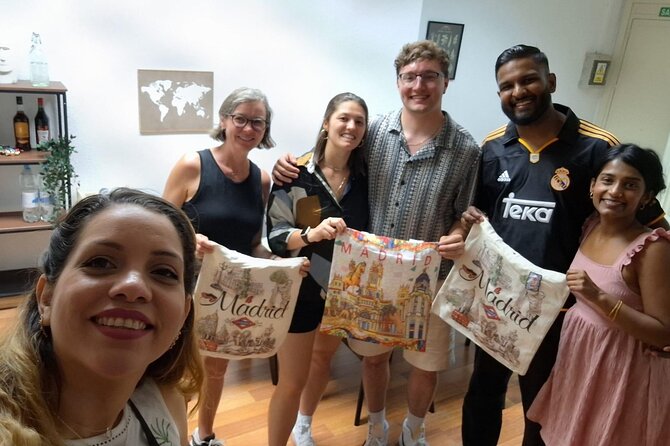
A good drink can teach you a city. This Madrid workshop makes sangria hands-on, social, and easy to understand, with three sangria styles, Spanish cheeses, bread, jams, and friendly English-speaking guidance. I especially like the small group of up to 15 people and the chance to learn recipes you can make again at home. The $22.93 price is also unusually fair for a two-hour food and drink activity in central Madrid.
The main thing to consider is that the exact flow may feel a little different depending on the group and guide. Some participants made two main sangrias, red and white, while the experience description promises three distinct styles, including a sherry-based blend. If you want a detailed cooking class, this may feel light. If you want an easygoing introduction to Spanish drinks and cheese, it hits the mark.
Key points at a glance
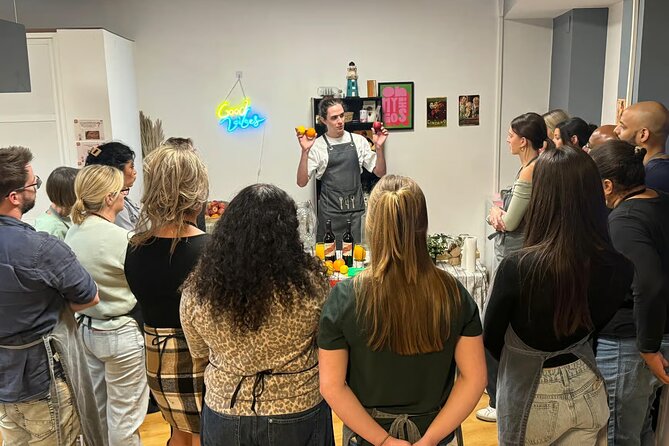
- Three sangria styles: Learn how classic red sangria and white sangria differ, with a sherry-infused blend also included in the planned tasting.
- Spanish cheese pairing: Taste local cheeses, including Manchego, with bread, jams, fruit, and sweet treats.
- Friendly named guides: Ivan, Dani, and Lila are praised for clear English, warmth, patience, and practical Madrid advice.
- Small central Madrid setting: The group is limited to 15 people and meets at C. de la Montera, 24, near public transportation.
- Useful take-home value: Recipes are sent as a PDF after class, so you do not need to memorize every ingredient or step.
- Good price for an evening activity: At $22.93 per person, the workshop combines instruction, several drinks, and a cheese tasting for less than many formal food tours.
Why a Sangria Class Works So Well in Madrid
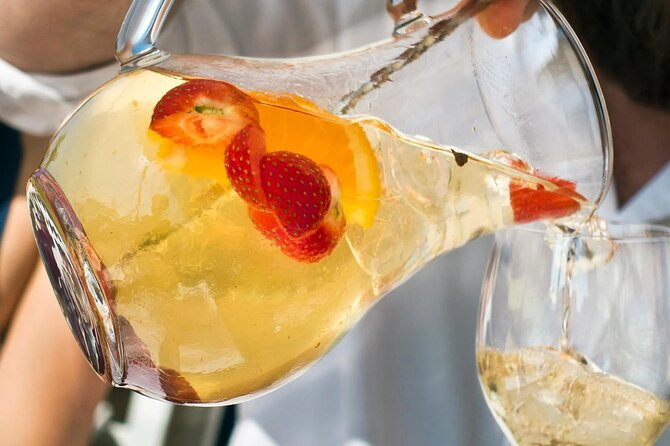
Sangria is familiar to almost everyone who visits Spain, but many people never learn what actually goes into a good glass. This workshop gives you a clearer sense of the drink than simply ordering a pitcher at a restaurant.
You spend about two hours learning how ingredients work together. The focus is not only on pouring wine and fruit into a jug. You learn about balance, the role of each ingredient, and how a few changes can produce a very different drink.
That makes the experience useful beyond the evening itself. You receive a PDF with the recipes afterward, so you can try them at home. For me, that practical follow-up adds real value. A meal disappears quickly. A recipe can become part of your own kitchen.
The class also gives you an early evening plan in a very central part of Madrid. The start time is 5:00 pm, which leaves the rest of your night free for dinner, a walk, or another drink. You return to the same meeting point when the workshop ends.
More Cheese Making Workshops in Spain
- Fuerteventura: Artisan Goat’s Cheese Making at Local Farm
★ 4.9 · 112 reviews - Central Madrid: Sangría Workshop & Tasting with Local Cheese
★ 4.8 · 82 reviews - Menorca: Cheesemaking and Farm-Fresh Product Tasting
★ 4.9 · 57 reviews
Meeting at C. de la Montera, 24
The workshop begins at C. de la Montera, 24, in Madrid’s Centro district. The stated meeting point is a street-level shop, and the area is near public transportation.
That central location matters. You do not need to build a separate day around the class or travel far outside the city center. Arrive with enough time to locate the shop and check the address carefully, especially if you are coming from another part of Madrid.
The meeting point is also the end point. This is helpful after a tasting, since you will not have to find your way to a second location. The experience begins at 5:00 pm and lasts about two hours.
The activity is offered in English. That is important for a workshop where small instructions matter. You want to understand how the ingredients are combined, not simply watch someone prepare a drink while you guess what is happening.
Learning the Red Sangria Basics
Classic red sangria is the natural starting point. It is the version most people picture when they hear the word, and it gives you a useful base for understanding the drink.
The instructor explains the ingredients and walks the group through the preparation. You get to see how the recipe is built rather than receiving a finished glass without context. The point is to learn how to balance flavors and add your own touch.
The red version is also a good reference for the other styles. Once you understand the darker, fuller profile of a traditional red sangria, the difference in a white or sherry-based recipe becomes easier to notice.
The guides receive especially strong praise for their manner during this part of the class. Ivan is described as patient and energetic, while Dani is praised for asking questions and keeping the group involved. That interactive approach is more useful than a long lecture. You are encouraged to pay attention to the choices being made.
One practical advantage is that the activity does not appear to demand prior cooking or drinks knowledge. The recipe is explained step by step, making it suitable for someone who usually orders sangria but has never made it.
White Sangria and the Surprise in the Glass
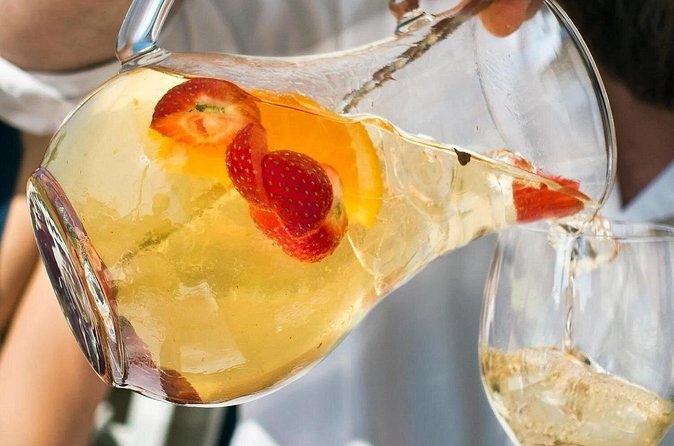
White sangria is often the pleasant surprise of the evening. It has a different character from the red version, and one participant described it as a real revelation.
That contrast is one of the best reasons to book the workshop instead of simply ordering a standard pitcher. You get to compare styles side by side and notice how the wine base and other ingredients affect the final result.
The experience information describes three distinct sangrias, each with its own story and flavor profile. The reviews describe red and white preparations most clearly, so you should expect those to be central to the class. The precise third recipe may depend on the session, but the listed plan includes a tropical, sherry-infused blend.
The sherry element gives the workshop a useful Spanish touch. Sherry is strongly tied to Spanish drinking culture, and its inclusion helps move the class beyond a basic tourist recipe. You are not just learning one sweet punch. You are comparing different approaches to a famous Spanish drink.
Same region, a different board:
- Tacoronte: Guided Winery Tour with Wine and Cheese Tastings
★ 4.6 · 481 reviews - Guided Visit to the Estrella Galicia Museum with Cheese Pairing
★ 5.0 · 218 reviews - Fuerteventura: Tickets to Salt, Cheese and Windmill Museums
★ 4.4 · 129 reviews - Tenerife Bodegas Monje Winery Tour with Wine and Cheese Tasting
★ 4.5 · 121 reviews
The Third Style: A Sherry-Infused Blend
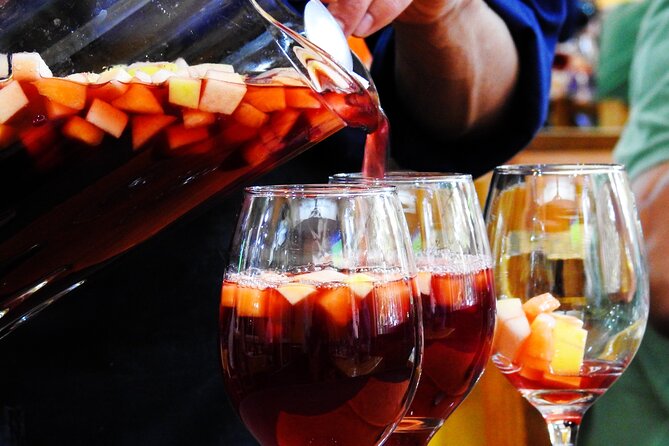
The planned third sangria brings another angle to the tasting. It is described as a tropical, sparkling blend with sherry in the mix.
The details of the recipe are not specified, so I would not book this expecting a fixed ingredient list. The important point is that the class aims to show how flexible sangria can be. You learn that the drink can shift from bold and fruit-forward to lighter, brighter, or more playful.
This part may appeal most to people who like experimenting with drinks. The instructor shows how to balance flavors, and you can see how a change in wine style or additional ingredients affects the result.
If you prefer a tightly scripted class with exact quantities and technical bartending instruction, keep your expectations modest. This is presented as a friendly workshop, not a professional mixology course. Its strength is tasting several styles in good company.
Manchego and Four Spanish Cheeses
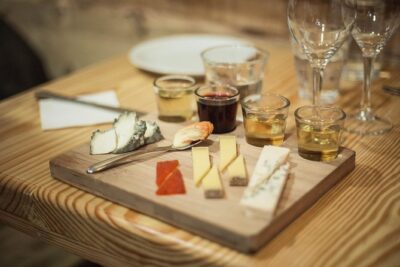
The cheese tasting gives the drinks something solid to work with. The experience includes local cheeses and authentic Manchego, a Spanish sheep’s milk cheese with a nutty, buttery flavor.
One participant described tasting four Spanish cheeses. The spread can also include bread and jams, with fruit and sweet treats mentioned as part of the food served. These additions matter because they help you compare how salty, creamy, sweet, and fruity flavors interact with each sangria.
Manchego is a particularly useful cheese for visitors. It is one of Spain’s best-known cheeses, and tasting it in this setting gives you a simple reference point for future meals. You can recognize it later on a tapas menu or in a market.
The cheese is not just filler between drinks. The guide explains the different qualities of each cheese and offers basic advice about cheese tasting. That gives the second half of the workshop its own purpose instead of making it feel like an afterthought.
You should also expect a social format. The cheese, bread, and drinks are shared while people sit and talk. This suits solo visitors and couples who want a relaxed activity with some conversation. It may be less appealing if you want a quiet private tasting.
The Guides Make the Difference
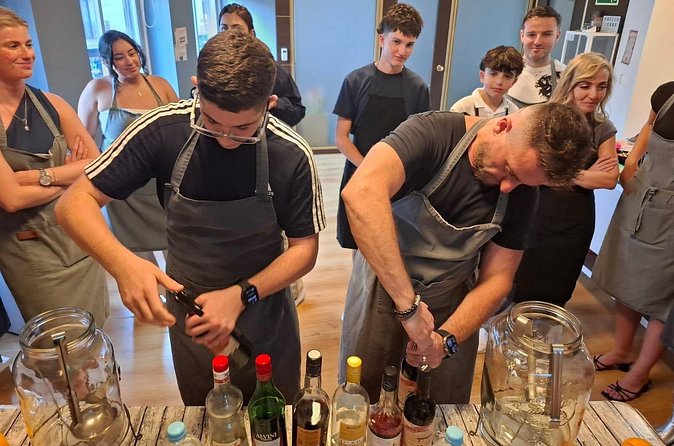
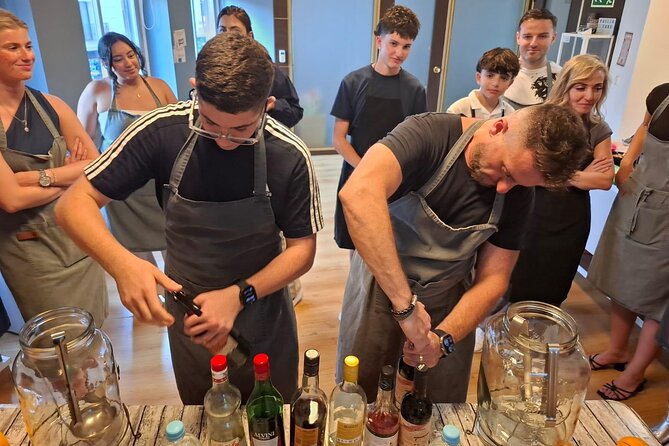
The named guides connected with the experience include Ivan, Dani, and Lila. Their styles may differ, but the feedback points to a consistent strength: they make the class personal and easy to follow.
Ivan is praised for patience, enthusiasm, and hard work. Dani is described as warm, interactive, and generous with advice about Madrid food, wine, sights, and other activities. Lila is praised for being fun and speaking English very well.
That local advice may be one of the most useful extras. Dani, in particular, offered recommendations that some people wished they had received earlier in their trip. I would take that tip seriously and book this near the beginning of your Madrid stay if you want to use the suggestions afterward.
The class also appears to benefit from a relaxed teaching style. Instead of simply presenting information, the guides ask questions and invite participation. That keeps the two hours from turning into a passive tasting.
Still, a food workshop always depends partly on the guide leading your session. The named guides are highly praised, but you should view the personal recommendations and group energy as part of the experience rather than a guaranteed scripted feature.
Is $22.93 a Good Price?
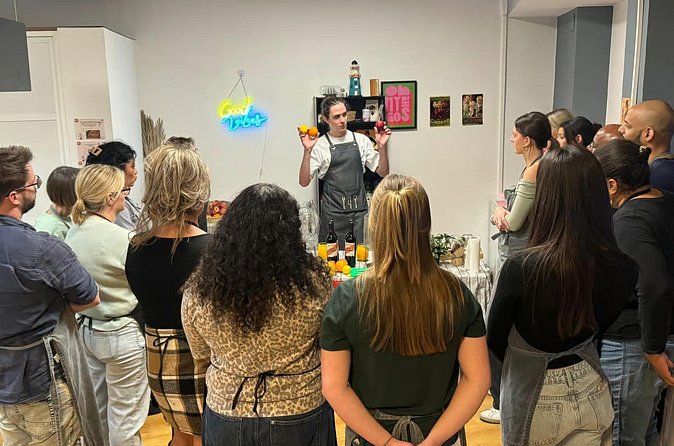
At $22.93 per person, this is strong value if you enjoy both food and drinks. You receive instruction, several sangria tastings, local cheese, Manchego, bread, and other small accompaniments during roughly two hours.
A Madrid bar may charge a fair amount for one drink and a modest plate of cheese. This activity gives you more than a single order, plus the chance to learn how the drinks are made. The PDF recipes add value after you leave.
The price is also low enough to work as a first-night or early-trip activity without taking a major bite out of your sightseeing budget. You still need to pay for whatever dinner or later drinks you choose, but the workshop itself can function as part tasting and part early evening meal.
The value is less obvious if you do not drink wine or dislike cheese. Nonalcoholic and vegan options are available, which helps, but the food and drink theme remains the heart of the event. You should book it for the social tasting and instruction, not as a full dinner replacement.
Who Will Enjoy This Workshop Most?
I would recommend this activity to several kinds of visitors:
- Couples looking for a relaxed evening together
- Solo visitors who enjoy meeting people in a small group
- First-time Madrid visitors who want local food and drink context
- People who like practical cooking or cocktail lessons
- Anyone who wants an inexpensive activity near the city center
- Visitors who prefer an English-language experience
The maximum group size is 15 people. That is small enough for questions and conversation, though not so small that you should expect a private lesson.
It is also a good choice for parents and adult children, as one booking included a father and daughter who had a very positive time together. Nonalcoholic options make the class more flexible for people who do not want to drink wine.
You may want to skip it if your main goal is a formal wine education, a full meal, or a private experience. The class is social and practical. It is not designed as a serious examination of Spanish wine regions or professional bartending methods.
Timing, Transport, and Booking Advice
The 5:00 pm start is convenient, but do not treat it as a late-night event. It ends around 7:00 pm, leaving you time for dinner or an evening stroll.
The activity is near public transportation, and it begins and ends at the same central address. A mobile ticket is accepted, and confirmation is provided when you book.
The experience is often reserved about 22 days ahead. That does not mean you must book exactly three weeks out, but it is a useful warning for busy travel periods. If you have fixed dates, book before the final days of your trip.
Free cancellation is available if you cancel at least 24 hours before the start time. Changes or cancellations made within 24 hours are not accepted for a refund, and the cut-off follows Madrid local time.
Small Details That Add Real Value
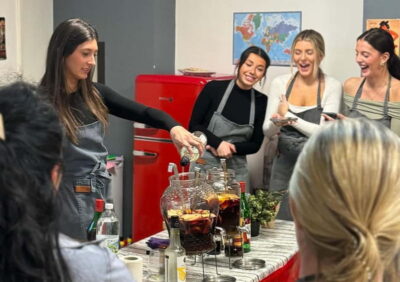
The strongest feature here is the combination of participation and hospitality. You are not merely served sangria. You help prepare it, taste different versions, and learn why they do not all taste alike.
The cheese gives the class a Spanish food anchor. Manchego, local cheeses, bread, jams, fruit, and sweet items turn the session into more than a drink demonstration.
The recipe PDF is another smart touch. Sangria is simple enough to recreate, but people often forget proportions and ingredient order once they return home. Having the recipes sent afterward means the class can continue to pay off.
I also like the practical city advice offered by the guides. If you book near the start of your trip, you may have time to use recommendations for food, wine, and sightseeing during the rest of your stay.
Should You Book the Madrid Sangria Workshop?
Yes, if you want an affordable, friendly introduction to Spanish drinks with enough food to make the evening feel satisfying. The class is especially appealing for couples, solo visitors, and anyone who enjoys learning by doing.
Book it early in your Madrid visit if you want local recommendations to shape the rest of your plans. Choose another activity if you need a private setting, a full dinner, or a technical bartending course.
For $22.93, the mix of red and white sangria, a planned third style, Manchego, local cheese, English instruction, and take-home recipes makes this an easy value choice. Just arrive expecting a social workshop, not a formal culinary school.
FAQ
How long does the sangria workshop last?
The experience lasts approximately two hours.
What time does the workshop begin?
It begins at 5:00 pm.
Where does the workshop meet?
The meeting point is C. de la Montera, 24, tienda calle, Centro, 28013 Madrid, Spain.
Where does the experience end?
The activity ends back at the meeting point.
How many people can join the workshop?
The maximum group size is 15 people.
Is the workshop offered in English?
Yes. The experience is offered in English.
Are nonalcoholic and vegan options available?
Yes. Nonalcoholic and vegan options are available.
Can I cancel for a full refund?
Yes, if you cancel at least 24 hours before the experience start time. Cancellations made less than 24 hours before the start time are not refunded.
Just added around Spain
- Cheese Factory Workshop with Wine Tasting in Requena, Valencia★ 4.5 · 3 reviews
- Guided Tour Montesdeoca Cheese Factory – Cheese and Wine Tasting★ 4.5 · 6 reviews
- Hike the Cork Oak trail and try some Delicious Cheese★ 5.0 · 12 reviews
- Discover the Art of Idiazabal Cheese in the Basque Country★ 4.5 · 9 reviews
- Private Basque Cheese & Txakoli Wine Tour from San Sebastian★ 5.0 · 20 reviews
- Menorca: Cheesemaking and Farm-Fresh Product Tasting★ 5.0 · 29 reviews
- Mallorca Wine and Cheese Tasting★ 5.0 · 29 reviews
- Madrid Bike Tour with Churros and Wine, Ham, and Cheese Upgrade★ 5.0 · 8 reviews
Cheese Making Workshops, compared.
Paris Cheesemaking Workshop including Wine and Cheese Tasting with an Expert
Read our review →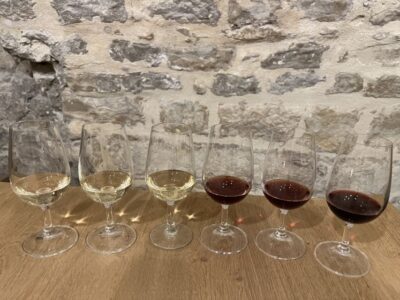
Troodos Mountains Halloumi Making: All Inclusive Workshop & Tour
Read our review →
Central Madrid: Sangría Workshop & Tasting with Local Cheese
Read our review →Troodos Mountains Halloumi Making: All Inclusive Workshop & Tour
Read our review →
Visit to the property and wine/cheese pairing workshop
Read our review →Browse the lists this tour appears in