
REVIEW · ITALY CHEESE TOURS
Cheesemaker for a day & visit to the dairy
Cheese tells Sardinia’s story. At Argiolas Formaggi in Dolianova, you follow pecorino and caprino from incoming milk to aging, packaging, and shipment, then try the craft yourself. I like the clear look at the full production chain and the chance to make a small cheese by hand. The tasting and ricotta workshop add real flavor to what could otherwise be a simple factory visit.
I also like the patient teaching style described by visitors, with careful explanations at each stage. The main drawback is the short running time: at about 90 minutes, this is a focused introduction rather than a long farm visit or a full-day food tour. Still, at $47.80 per person, it offers a fair mix of education, hands-on work, tasting, and a souvenir certificate.
Key points to know before booking
- You visit a working Sardinian dairy in Dolianova, at Argiolas Formaggi on SP14.
- You see the complete cheese process, including milk checks, recipes, brining, ricotta, aging, packaging, and shipping.
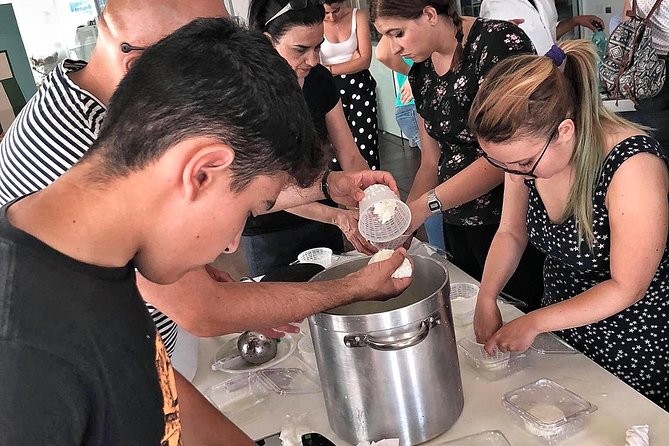
- You make cheese in a practical workshop, with the option to taste your creation or take it home.
- You learn about pecorino and caprino, two important Sardinian cheese traditions.
- You receive a cheesemaker certificate, a small but fun reminder of the visit.
- The private format suits families and small groups, and the experience is offered in English.
Arriving at Argiolas Formaggi in Dolianova
The experience begins at 9:30 a.m. at Argiolas Formaggi S.r.l., SP14, 3, in Dolianova, Sardinia. It ends at the same place, so you do not need to arrange a second pickup point or find your way back after the workshop.
That simple setup matters. You can arrive, park or use nearby public transportation, and focus on the dairy visit without juggling several stops. The information provided does not specify transportation from Cagliari or another Sardinian base, so you should plan your own route to Dolianova before booking.
The time is also worth noting. A 9:30 a.m. start gives you a useful morning activity, but it means you should check your transport plans carefully. If you are staying elsewhere on the island, allow enough time to reach the meeting point before the start. The activity is not a flexible drop-in visit.
This is a private activity, meaning only your group participates. That can make a real difference in a workshop involving milk, curds, shaping, and questions. You are not trying to hear instructions over a large crowd, and the pace can feel more personal. The experience is offered in English, which makes the technical stages easier to follow if you do not speak Italian.
A few more cheese tours around Italy worth a look
- Authentic Farm Tour with Pizza, Cheese, Wine & Limoncello Tasting
★ 5.0 · 698 reviews - Sorrento Farm by Tuk Tuk: Cheese, Limoncello & Hands-On Pizza
★ 5.0 · 628 reviews - Tour Parmigiano Reggiano dairy and Parma ham
★ 5.0 · 601 reviews
Following milk from arrival to finished cheese
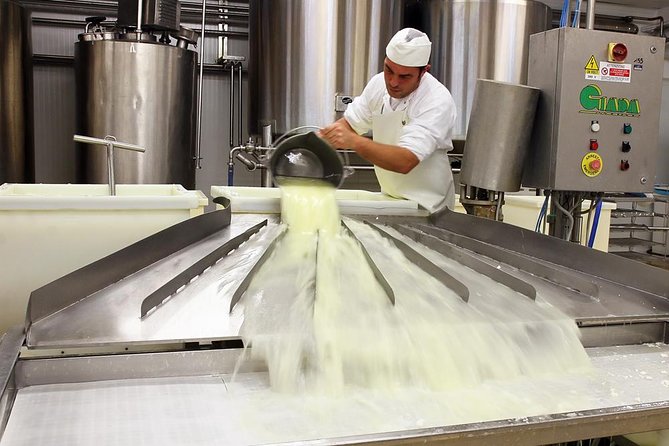
The visit begins with the part most casual cheese buyers never see: the arrival and analysis of the milk. This stage gives you a useful reminder that good cheese starts well before the vat. Milk must be checked before it becomes pecorino, caprino, or ricotta.
From there, the tour explains the different recipes used at the dairy. The exact recipes are not listed, so you should not expect a detailed cooking class for every variety. Instead, you get a guided look at how the dairy turns milk into several types of Sardinian cheese.
The visit then moves through the main stages of production:
- Milk reception and analysis
- Recipe selection
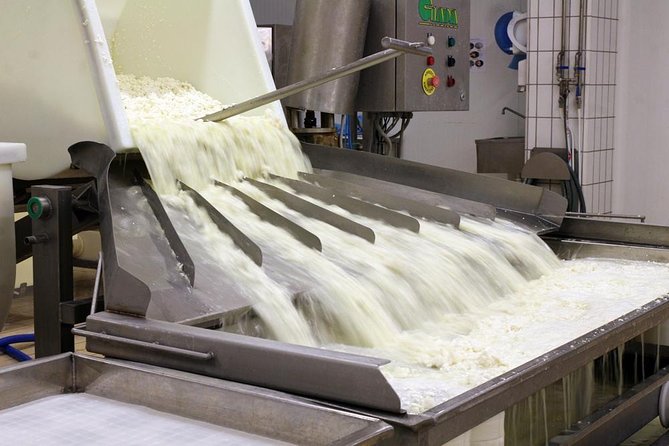
- Coagulation
- Shaping
- Salting in brine tanks
- Ricotta production
- Aging
- Preparation and packaging
- Shipping
This order gives the visit a useful rhythm. You first see the raw material, then learn how it changes, and finally see how the finished cheese is prepared for sale. The process helps explain why two cheeses made from similar milk can taste different after changes in recipe, salt, shape, or aging time.
I especially like the inclusion of the brine tanks and aging rooms in the explanation. These are easy stages to overlook when you simply buy a wedge from a shop. Salt affects flavor and preservation, while aging gives cheese time to develop its final character. The tour connects those practical steps with the pastures and scents of Sardinia, linking the dairy to the island’s traditional food culture.
Because the visit lasts about 90 minutes, the explanations are likely to remain fairly brisk. You will see the process step by step, but you should not expect a long technical seminar on microbiology, aging temperatures, or individual production records. The appeal is the clear overview and the chance to handle the craft yourself.
Pecorino and caprino at the center of the visit
Sardinian cheesemaking is closely tied to sheep and goat milk. Pecorino is made from sheep’s milk, while caprino is made from goat’s milk. The experience introduces you to both traditions, giving you a better sense of the variety within Sardinian cheese.
This is valuable because the words on a cheese label can remain abstract. During the visit, you see where these products are made and how their paths through the dairy differ. You also get the chance to taste the results, which turns the lesson into something practical.
The tasting is not presented as a large food spread. It is part of the dairy experience, allowing you to connect what you have seen with the finished product. The tasting has been praised for being especially enjoyable, and that makes sense: cheese production is much easier to understand when you can compare texture, salt, and flavor at the end.
You should come ready to pay attention to the explanations rather than expecting a restaurant meal. The focus is on the dairy’s products and methods. If you want a full Sardinian lunch, you will need to arrange that separately.
Making ricotta and shaping your own cheese
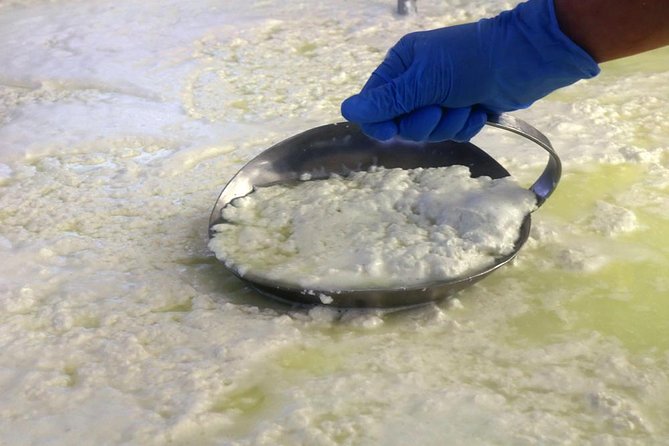
The hands-on workshop is the heart of the experience. After seeing the dairy’s production stages, you take part in traditional cheesemaking under the direction of the dairy experts.
The activity covers the key steps from coagulating the milk to shaping and salting the cheese. You are not simply watching someone make a sample. You get involved in the process and have the chance to create your own cheese.
The ricotta portion is a particularly good fit for families. It offers a simple way to see how a dairy product can be made from the liquid left after other cheese production. The workshop has been described as patient and easy to follow, with time taken to explain the stages clearly. That is important when children are involved or when you have never worked with curds before.
Your finished creation can be tasted or taken with you. That choice gives the activity a personal ending. Eating it on site lets you enjoy the result while the process is fresh in your mind. Taking it with you gives you a small edible souvenir, though the supplied details do not explain how it is packaged or how long it remains suitable for travel.
Do not expect to leave as a professional cheesemaker. The workshop is an introduction, not vocational training. But you will understand the basic sequence far better after shaping and salting cheese yourself. That is the difference between hearing about a traditional craft and trying part of it with your own hands.
Same region, a different board:
- Parma: Parmigiano Production and Parma Ham Tour & Tasting
★ 4.9 · 554 reviews - Cooking class with Pasta, mozzarella and Tiramisu with wine
★ 5.0 · 549 reviews - Amalfi: Make Fresh Pasta, Mozzarella & Tiramisù with wine
★ 5.0 · 503 reviews - Sorrento: Farm Tour with Cheese Tasting & Pizza Making Class
★ 5.0 · 503 reviews
Why the certificate is more than a gimmick
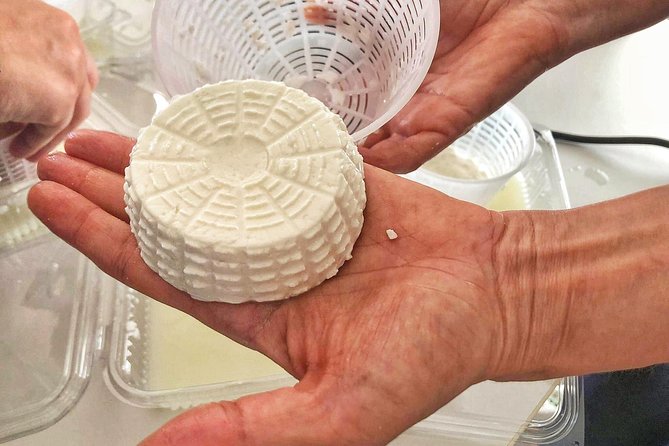
At the end, you receive a certificate naming you a master cheesemaker for the day. It is a playful souvenir, especially for children, but it also marks the practical nature of the visit.
Many food tours finish with a tasting and send you on your way. Here, the certificate gives the experience a clear ending. You have seen the dairy, taken part in a workshop, tasted cheese, and received something to remember the activity.
The certificate should not be treated as a professional qualification. Its value is sentimental and fun. For families, it can turn a short morning visit into a story children will remember. For adults, it makes a pleasant addition to photographs and food souvenirs from Sardinia.
Is $47.80 a fair price?
At $47.80 per person, the price is reasonable if you value access to a working dairy and the hands-on element. You are paying for more than a tasting: the visit includes production explanations, a workshop, the chance to make and taste or keep cheese, and a certificate.
The value is strongest for people who enjoy food traditions and want to understand how a local product is made. If you only want to sample Sardinian cheese, a market or shop will cost less and take less time. But those options will not show you the full path from milk analysis to shipping or let you shape your own cheese.
The private format also adds value for a small family or group. You are not joining a large public demonstration, and the workshop can be easier to follow when the group is limited to your party. The available rating is 4.5 out of 5 from 13 ratings, which fits the experience’s main strengths: clear instruction, a pleasant tasting, and a friendly practical activity.
The average booking lead time is about 79 days. That does not mean every date sells out that far ahead, but it is a useful planning signal. If your Sardinia trip has fixed dates, book early rather than waiting until the last morning of your holiday.
Who will enjoy this dairy visit most?
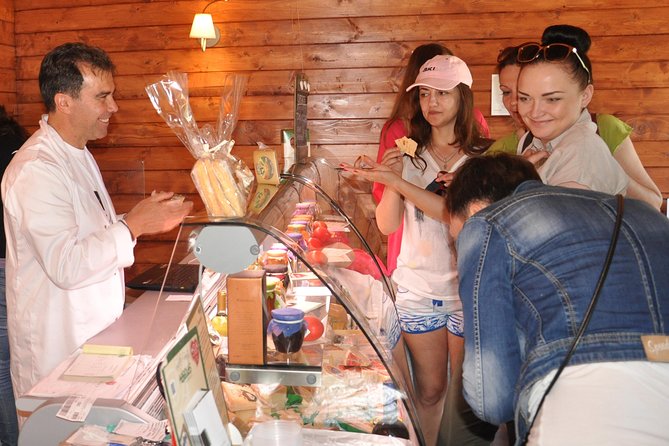
I would recommend this experience to families, food-focused visitors, and anyone curious about Sardinian traditions. Children can take part in the workshop, and the certificate gives them a clear goal. Adults get the useful context behind pecorino, caprino, ricotta, brining, and aging.
It also works well for small groups who prefer a private activity. The English option helps if you want the production stages explained without relying on translation.
You may want to skip it if your main interest is a long countryside outing, a large meal, or a farm visit with animals. The information provided focuses on the dairy and its production process, not on a broader rural itinerary. The 90-minute length is convenient, but it limits how much time you have for extra sightseeing.
Service animals are allowed, and the meeting point is near public transportation. No other accessibility details are provided, so you should contact Argiolas Formaggi directly if you need specific information about surfaces, seating, or workshop access.
Practical booking advice for the 9:30 start
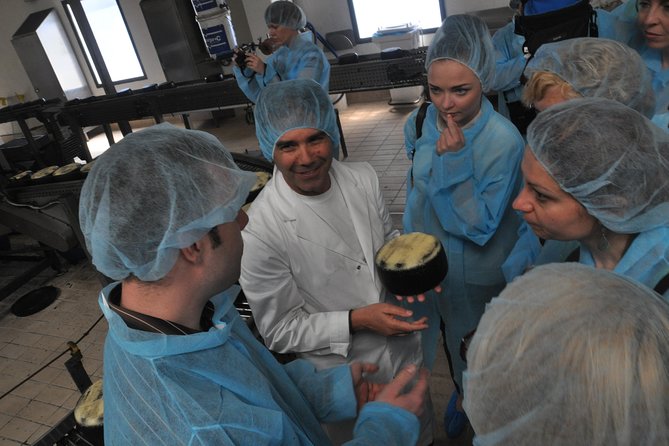
You receive confirmation at the time of booking, which makes planning easier. Since the activity begins at 9:30 a.m. and returns to the same meeting point, build your day around arriving at Argiolas Formaggi rather than expecting a pickup from your accommodation.
The activity allows free cancellation up to 24 hours before the start time. Canceling or changing the booking less than 24 hours before the local start time does not qualify for a refund. The experience also requires a minimum number of participants, and if that minimum is not met, you will be offered another date or experience, or a full refund.
I would book this early if you know your dates, especially since it is often reserved well in advance. Keep the confirmation details handy, and check the meeting address before leaving for Dolianova.
Should you book Cheesemaker for a Day?
Book it if you want a short, hands-on look at Sardinian food culture rather than a passive factory tour. The best parts are the full production overview, the patient explanations, the ricotta and cheesemaking workshop, and the chance to taste or keep what you make.
At $47.80, the experience makes sense for families and curious food lovers who will value the practical lesson. It is less suited to anyone seeking a full-day excursion or a long meal. For a focused morning in Dolianova, though, this is a friendly way to meet Sardinia through one of its most important foods, with a certificate to prove you got your hands involved.
FAQ
Where does the cheesemaking experience take place?
It takes place at Argiolas Formaggi S.r.l., SP14, 3, 09041 Dolianova, in Sardinia, Italy.
What time does the activity start?
The experience starts at 9:30 a.m.
How long does the experience last?
It lasts approximately 1 hour and 30 minutes.
Is the tour offered in English?
Yes. The experience is offered in English.
Will I make cheese during the visit?
Yes. You take part in a traditional cheesemaking workshop covering coagulation, shaping, and salting. You can taste your cheese or take it with you.
Is this a private activity?
Yes. Only your group participates.
Can I cancel for a full refund?
Yes, if you cancel at least 24 hours before the local start time. Cancellations or changes made less than 24 hours before the start are not refunded.
Just added around Italy
- Wine Tasting with Cured Meats & Cheeses in Florence★ 5.0 · 2 reviews
- Tuscany: Ripalte Design Winery Wine and Cheese Tasting Tour★ 4.7 · 15 reviews
- Vico Equense: Tour in the dairy “Mozzarella Experience”★ 5.0 · 19 reviews
- From Parma/Cinque Terre: Truffle & Parmesan Picnic (Tasting)★ 5.0 · 2 reviews
- Turin: Gastronomy tasting through oil, wine and cheese★ 5.0 · 2 reviews
- Full Day Prosecco and Cheese Tasting from Venice★ 5.0 · 9 reviews
- Premium Cheeses and Gins Tour in the Prosecco hills. Full lunch!★ 5.0 · 3 reviews
- The Valpolicella food & wine driving tour: cheese factory+ winery★ 5.0 · 6 reviews
Italy Cheese Tours, compared.
Authentic Farm Tour with Pizza, Cheese, Wine & Limoncello Tasting
Read our review →
Sorrento Farm by Tuk Tuk: Cheese, Limoncello & Hands-On Pizza
Read our review →
Parmigiano Production and Parma Ham Tour & Tasting
Read our review →
Cooking class with Pasta, mozzarella and Tiramisu with wine
Read our review →
Make Fresh Pasta, Mozzarella & Tiramisù with wine
Read our review →
Browse the lists this tour appears in