
REVIEW · CHEESE MAKING WORKSHOPS
Fuerteventura: Artisan Goat’s Cheese Making at Local Farm
Goats make the morning memorable. This 2.5-hour farm visit shows you Fuerteventura’s cheese tradition from goat to finished wheel, with hand milking, machine milking, and a hands-on cheese workshop. I especially like the chance to feed and handle the goats, including young kids, and the fact that you make a cheese of your own to take home.
The breakfast is another strong point: fresh cheese, a cheese board, Canarian mojos, homemade jams, and a drink. The main consideration is language. The activity is offered in English and Spanish, but one past visit had no guide present, leaving the participant to manage with Spanish and Google Translate. That appears to be an exception, but it is worth keeping in mind.
Key points to know before you book
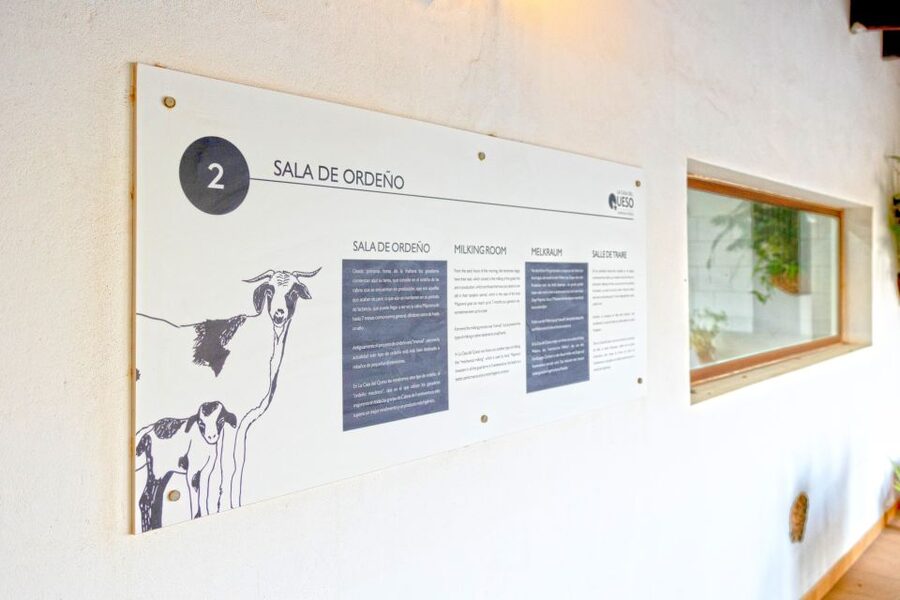
- You milk Majorera goats by hand and with a machine, rather than simply watching a demonstration.
- You make and take home your own cheese, which is vacuum-packed and labeled at the farm.
- Baby goats may be part of the morning, with feeding and handling possible when young animals are available.
- Breakfast is built into the experience, including a fresh cheese sandwich, local cheese, mojos, jams, and one drink.
- The group is limited to 10 people, giving the session a personal, practical feel.
- The $85 price covers nearly everything, including instruction, equipment, food, drinks, and your finished cheese.
Why Majorero cheese matters in Fuerteventura
Fuerteventura is famous for Majorero cheese, made from the milk of the island’s Majorera goats. These goats are well suited to the dry conditions of the Canary Islands, and they are central to the island’s rural food culture.
That background gives this activity more weight than a standard tasting. You are not just sampling cheese on a wooden board. You see the animals, handle the milk, follow the production steps, and learn how a local farm turns a basic ingredient into a finished food.
I like this kind of experience because it explains a place through its daily work. Fuerteventura can be easy to see only through beaches, viewpoints, and resort towns. A farm visit adds a useful second picture: goats, milking, family knowledge, and food made in small batches.
The workshop is also a good match for children and adults who enjoy practical activities. You are expected to take part, not stand behind a rope while someone else does the work. That hands-on approach is the main reason this experience earns such strong marks.
More Cheese Making Workshops in Spain
- Sangria Workshop and Tasting with Local Cheese
★ 5.0 · 86 reviews - Central Madrid: Sangría Workshop & Tasting with Local Cheese
★ 4.8 · 82 reviews - Menorca: Cheesemaking and Farm-Fresh Product Tasting
★ 4.9 · 57 reviews
Coffee, introductions, and the first look at the farm
The morning begins with a welcome coffee while your host explains the farm and the plan for the session. This is a simple start, but it helps you understand what you are about to do before the animals and equipment take over the morning.
The farm is run by a family, and the care given to the goats is a clear part of the experience. You may help feed older goats, meet the young ones, and spend time around a large herd. One visit included around 50 goats from a farm of more than 100, while other sessions included baby goats only minutes or days old.
You should treat the animal encounters as a real part of farm life, not a guaranteed petting-zoo schedule. Young goats may be available to bottle-feed or hold, but the exact experience will depend on the animals and the day. That uncertainty is part of the appeal, though families should be ready for an active farm setting rather than a polished attraction.
The farm team has included guides named Elaine and Helen, both praised for patient explanations and friendly instruction. The owner, David, has also been described as welcoming and keen to introduce visitors to the animals and cheese-making process.
Feeding and milking the Majorera goats
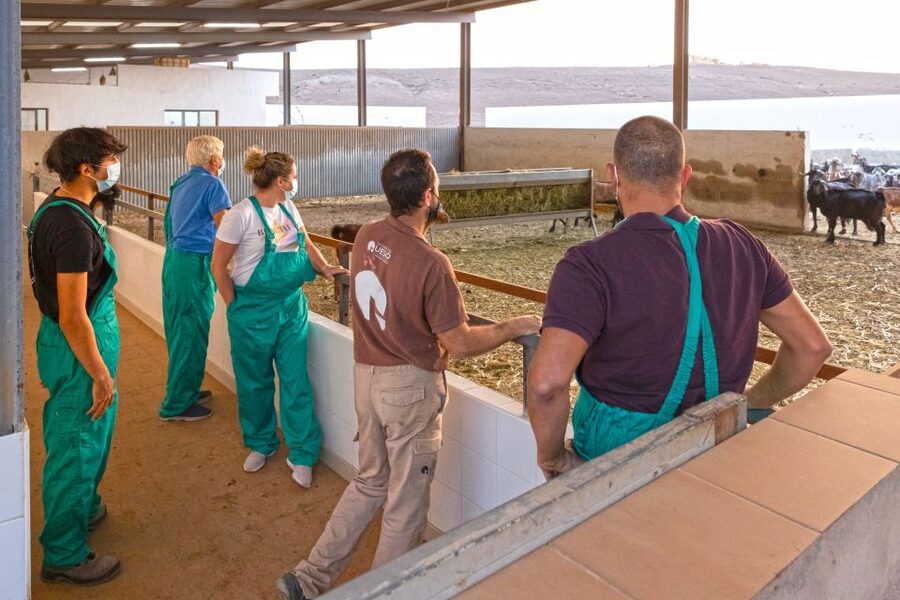
The milking session is where the experience becomes properly hands-on. You learn how to milk a goat manually, then see how machine milking works. The guide or farm staff explain the process and help you take part.
For many people, hand milking will be the most memorable new skill of the morning. It takes a little patience and coordination, and you should not expect to master it instantly. The practical lesson gives you a better sense of the work behind every piece of farm cheese.
The machine demonstration adds useful context. It shows how a traditional activity fits into a working farm, rather than presenting hand milking as the only method. You get both sides: the older manual technique and the equipment used to make production more efficient.
Some sessions have included feeding the adult goats and bottle-feeding babies. One participant also described feeding the donkeys. These details make the visit feel connected to the whole farm rather than limited to a single cheese-making room.
A few activities mentioned by past participants, such as drinking fresh milk straight from the udder, should be viewed as occasional rather than promised parts of the program. The confirmed experience is learning manual and machine milking, along with feeding and spending time with the animals when possible.
Making your own fresh cheese step by step
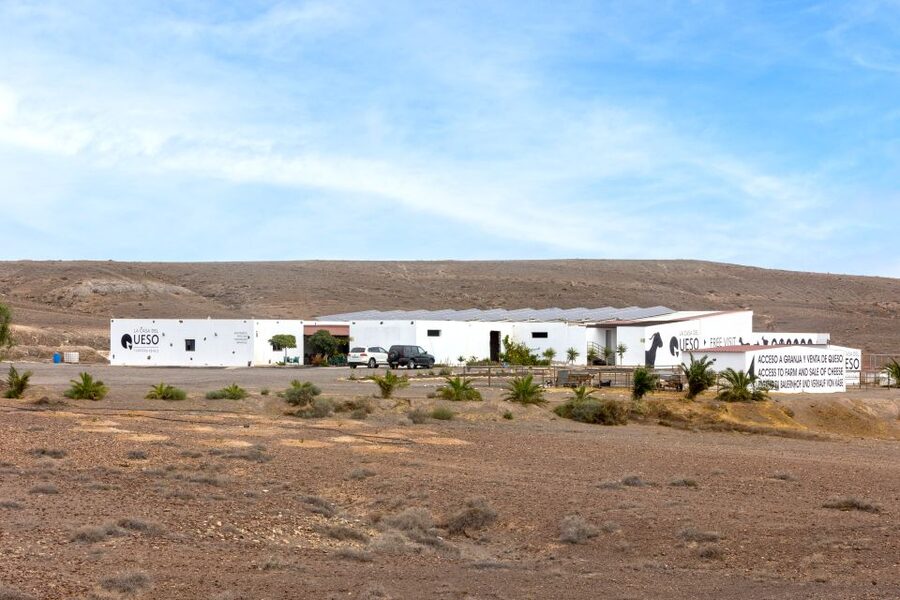
After milking, you move into the cheese-making part of the morning. The staff guide you through the production process and provide the tools and equipment. You prepare an individual cheese, then place it in a press so it can rest and set.
This is the part I would value most if I wanted to understand how local food is made. You are not only told what happens. You physically shape your own product and watch it move toward its finished form.
The process is suitable for curious beginners because instruction is provided throughout. The guides have been praised for explaining each stage clearly and for giving participants time to complete the work themselves. That matters in a small workshop, since rushing through the steps would take away much of the fun.
The finished cheese is roughly 1 kilogram based on the details shared by past participants. Once it has rested, you return to the production room, vacuum-pack it, and attach a label by yourself. The personalized package turns the activity into a useful souvenir, not just a photograph on your phone.
You should think about how you will carry it afterward. The cheese is vacuum-packed, which makes transport easier, but it is still food that may need suitable storage. The activity details do not specify storage or travel rules, so ask the farm team if you plan to take it on a long journey.
Same region, a different board:
- Tacoronte: Guided Winery Tour with Wine and Cheese Tastings
★ 4.6 · 481 reviews - Guided Visit to the Estrella Galicia Museum with Cheese Pairing
★ 5.0 · 218 reviews - Fuerteventura: Tickets to Salt, Cheese and Windmill Museums
★ 4.4 · 129 reviews - Tenerife Bodegas Monje Winery Tour with Wine and Cheese Tasting
★ 4.5 · 121 reviews
A Fuerteventura breakfast while the cheese rests
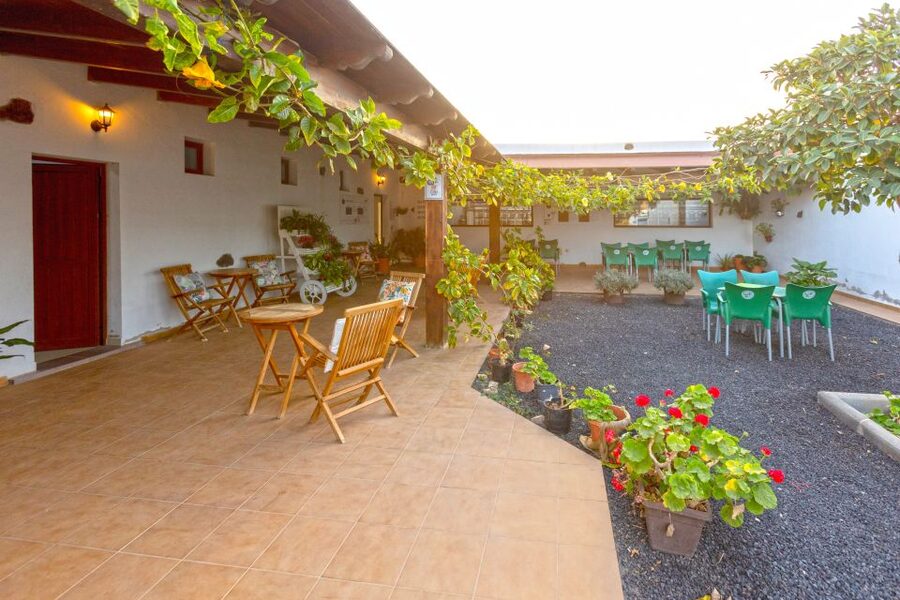
While your cheese sits in the press, you take a break for breakfast in the garden patio. This pause gives the morning a relaxed rhythm. You do some work, eat, talk, and then return to finish your cheese rather than racing from one activity to the next.
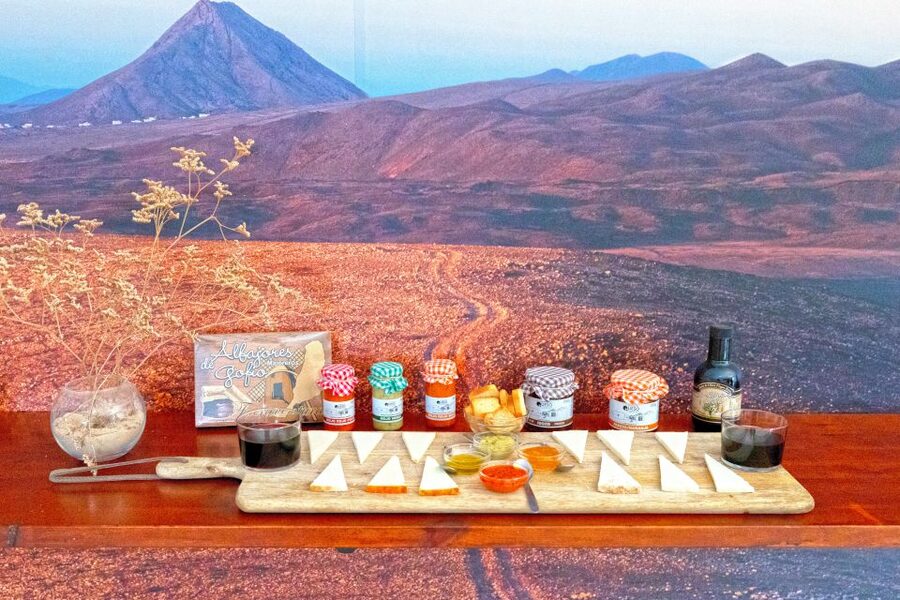
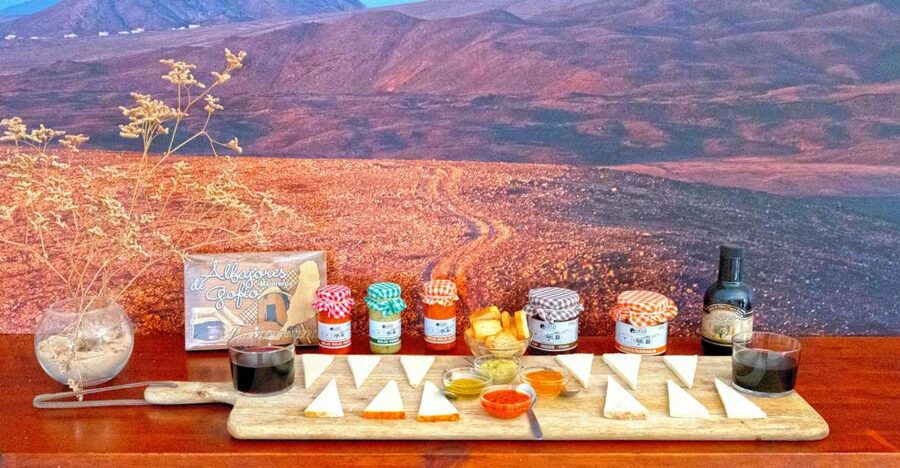
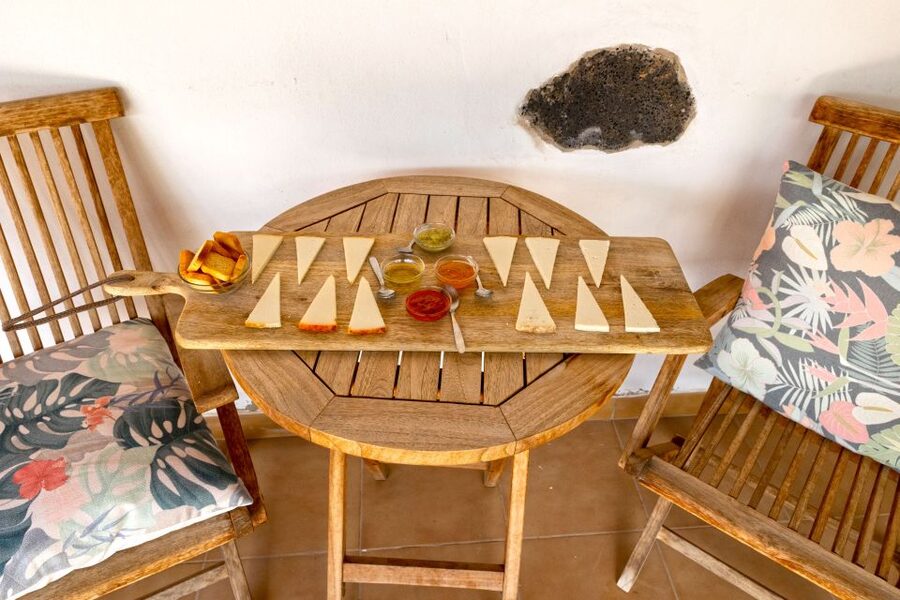
The meal includes a fresh cheese sandwich and a cheese board with local cheese, Canarian mojos, and homemade jams. You also receive one drink, with a choice of coffee, tea, Tenerife wine, beer, a soft drink, or water.
The food is more than a snack between activities. It lets you taste the kind of ingredients you have just been learning to produce. The cheese board also gives you a chance to compare different textures and flavors before taking your own creation home.
The drink choice is generous for a short morning activity, but additional drinks cost extra. If you want wine, beer, or another drink beyond the included serving, plan for that to be separate.
Breakfast is also a useful social break. The group size is capped at 10, so the table should feel more like a shared farm visit than a large commercial tour. The small size helps the guide answer questions and gives you a better chance to work directly with the animals and equipment.
How the guides shape the experience
The guide can make a major difference here because the workshop has several moving parts. You need clear instructions for animal handling, milking, cheese preparation, and packing. Elaine has been particularly praised for her friendly manner, detailed explanations, and local suggestions for places to visit and eat.
Helen has also led sessions described as clear and well organized. The farm staff themselves play an important role, especially when demonstrating milking or introducing the goats. The best part of the experience comes from this combination of guide and family-run farm.
Still, communication deserves a practical note. The official languages are English and Spanish, and most of the experience appears to work well for English speakers. One past participant reported that no guide arrived and that the farm worker used Google Translate. That person still enjoyed the farm and cheese, but the language gap made the visit harder.
I would not treat that single report as the normal arrangement, especially since other sessions specifically praised the English-speaking guides. But if you do not speak Spanish, save the booking details and bring translation support on your phone. It is a sensible backup for any rural activity.
What the $85 price really includes
At $85 per person, this is not a cheap breakfast stop. The value comes from the amount packed into the 2.5 hours.
You receive a welcome coffee, guided instruction, access to all tools, animal interaction, manual and machine milking lessons, a full cheese-making workshop, breakfast, one drink, and a cheese you prepare and package yourself. The finished product gives you something tangible to take home, while the meal replaces what could otherwise be a separate breakfast expense.
I think the price is reasonable for people who want an activity rather than a short tasting. You are paying for staff time, farm access, food, equipment, and a small-group lesson. It is particularly good value if you would otherwise spend money on a food tour and a separate farm visit.
The value is less obvious if you dislike animal contact, prefer passive sightseeing, or only want to sample cheese. In that case, the workshop may feel too involved. The morning asks you to get close to farm work, and that is the point.
Free cancellation up to 24 hours before the activity and the option to reserve without paying immediately add useful flexibility. The activity is also listed as wheelchair accessible, though you may want to confirm any personal mobility needs directly before booking because farm conditions can vary.
Who will enjoy this farm morning most
This is a strong choice for families. Children can see goats at close range, help feed animals, learn a simple traditional skill, and make food they can take home. Parents should note that it is an active experience, so young children need supervision around animals and equipment.
Food lovers will also get plenty from it. You learn where the milk comes from, how it is handled, and how it becomes cheese. The breakfast then lets you taste local pairings such as mojos and homemade jams.
I would also recommend it to visitors who want contact with local life beyond the resort area. The family farm setting and the chance to speak with the people who care for the goats make the morning feel personal.
It may be less suitable for anyone with a strong dairy intolerance, an aversion to animal contact, or a preference for a tightly timed sightseeing tour. The pace can feel relaxed, and the time spent with goats may be longer than expected. That is good news for animal lovers, but less so if you want to fit several other stops into the same morning.
Practical details that affect your choice
The activity lasts 2.5 hours, but some past participants felt they had plenty of time with the goats and no sense of being hurried. Allow extra time around that window if your next plan depends on an exact departure.
The group limit of 10 is important. It keeps the workshop manageable and gives each person a chance to milk, make cheese, and use the equipment. A larger group would likely turn the practical tasks into demonstrations, so this limit supports the price.
English and Spanish are available. If you speak neither language, the hands-on nature may still help, but explanations about milking and cheese preparation could be harder to follow.
The experience is in Spain, on Fuerteventura, and is provided by Timonfaya Travel Lanzarote. The supplied information does not give a meeting point, transport arrangement, or hotel pickup details, so check those before finalizing your day.
Should you book the goat cheese workshop?
I would book this if you want an active, local food experience and like the idea of spending time around animals. The best reasons are the personal cheese, the chance to learn both hand and machine milking, the generous breakfast, and the warm family-farm setting.
I would skip it if you only want a quick tasting or if farm work does not appeal to you. Also keep a translation app ready as a sensible precaution, even though English-speaking guides such as Elaine and Helen have led well-received sessions.
For most people, the $85 price is justified by the full morning of instruction, food, animal contact, and the cheese you take home. This is Fuerteventura explained through its goats, its food, and the people who keep the tradition going.
FAQ
How long does the experience last?
The activity lasts 2.5 hours.
How much does the experience cost?
The price is $85 per person.
What languages are available?
The activity is offered in English and Spanish.
How many people are in each group?
The group is limited to 10 participants.
Do I get to milk the goats?
Yes. You learn both manual and machine milking techniques.
Do I make my own cheese?
Yes. You prepare an individual Majorero cheese with the provided tools and equipment.
Can I take the cheese home?
Yes. Once the cheese has rested in the press, you vacuum-pack and label it yourself before taking it home.
Is breakfast included?
Yes. Breakfast includes a fresh cheese sandwich, a local cheese board, Canarian mojos, homemade jams, and one drink.
What drinks are included?
You can choose one drink from coffee, tea, Tenerife wine, beer, a soft drink, or water.
Can I cancel the booking?
You can cancel up to 24 hours in advance for a full refund. You can also reserve now and pay later.
Just added around Spain
- Cheese Factory Workshop with Wine Tasting in Requena, Valencia★ 4.5 · 3 reviews
- Guided Tour Montesdeoca Cheese Factory – Cheese and Wine Tasting★ 4.5 · 6 reviews
- Hike the Cork Oak trail and try some Delicious Cheese★ 5.0 · 12 reviews
- Discover the Art of Idiazabal Cheese in the Basque Country★ 4.5 · 9 reviews
- Private Basque Cheese & Txakoli Wine Tour from San Sebastian★ 5.0 · 20 reviews
- Menorca: Cheesemaking and Farm-Fresh Product Tasting★ 5.0 · 29 reviews
- Mallorca Wine and Cheese Tasting★ 5.0 · 29 reviews
- Madrid Bike Tour with Churros and Wine, Ham, and Cheese Upgrade★ 5.0 · 8 reviews
Cheese Making Workshops, compared.
Paris Cheesemaking Workshop including Wine and Cheese Tasting with an Expert
Read our review →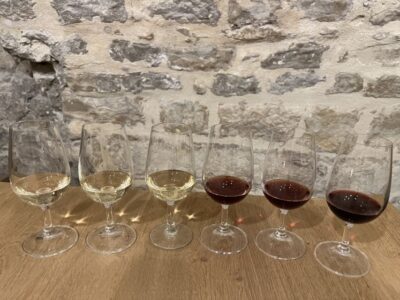
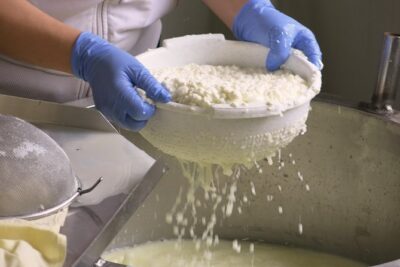
Troodos Mountains Halloumi Making: All Inclusive Workshop & Tour
Read our review →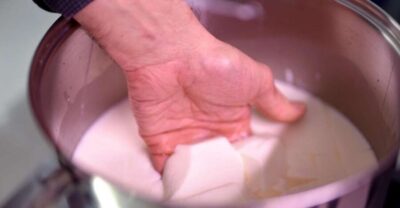
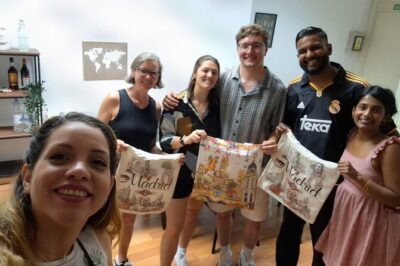
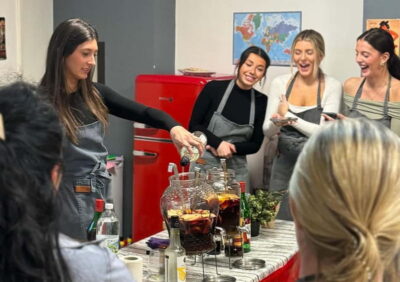
Central Madrid: Sangría Workshop & Tasting with Local Cheese
Read our review →Troodos Mountains Halloumi Making: All Inclusive Workshop & Tour
Read our review →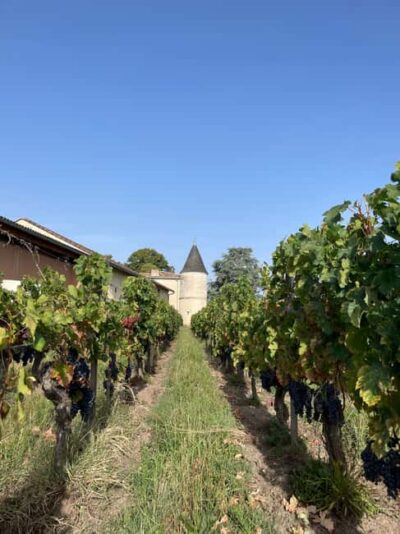
Visit to the property and wine/cheese pairing workshop
Read our review →Browse the lists this tour appears in