
REVIEW · WINE AND CHEESE TASTINGS
Gourmet Experience: Tasting of Spanish Cheeses and Wines
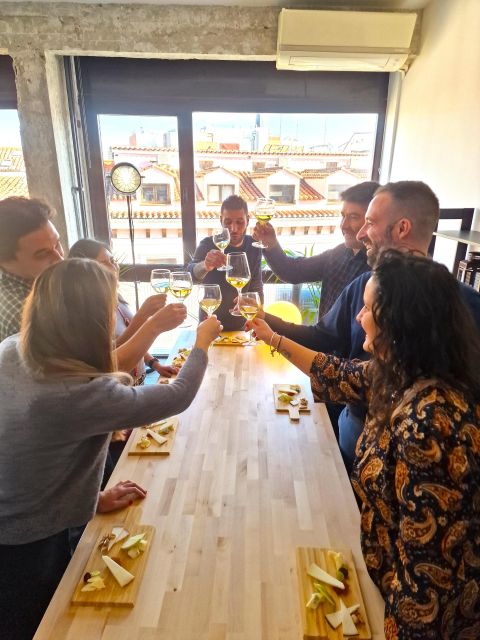
Cheese can tell you where Spain begins. This two-hour tasting near Plaza Mayor brings four protected-origin cheeses together with four Spanish wines, giving you a useful introduction to the country’s food traditions in one comfortable sitting. I like the central location and the careful mix of cheeses from Menorca, Madrid, Asturias, and other regions. I also like that the tasting is guided rather than left to guesswork, with explanations about pairing, production, and regional culture.
The main consideration is that this is a tasting, not a full meal, and the activity has firm limits. It is for adults only, and it is not suitable for vegans, pregnant women, people with epilepsy, people with a cold, or people who are prone to seasickness. The two-hour format works well for a city break, but you should check the restrictions before paying.
Key points at a glance
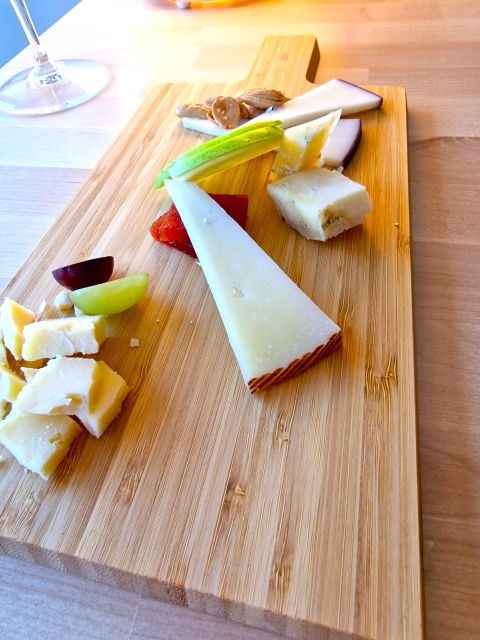
- Four protected-origin cheeses: Taste Mahón Menorca cow cheese, Madrid goat cheese from D.O. Cabezuela, Gamoneu from Asturias, and a cheese from D.O. Murcia made with sheep, goat, and cow milk.
- Four wines from across Spain: The lineup includes red wine from Murcia, fine wine from Andalusia, white wine from Castilla-La Mancha, and red wine from Valencia.
- A lesson in pairing: The local expert explains how the flavors and textures of each cheese work with different wines.
- An easy central setting: The venue is near Plaza Mayor, making it simple to fit into a day of sightseeing in central Madrid.
- Several guide languages: Instruction is available in English, Spanish, Italian, French, and Portuguese.
- A strong satisfaction record: The experience has a 4.8 rating from 25 reviews, with special praise for the hosts, explanations, portion quality, and friendly service.
Four Spanish cheeses, four very different places
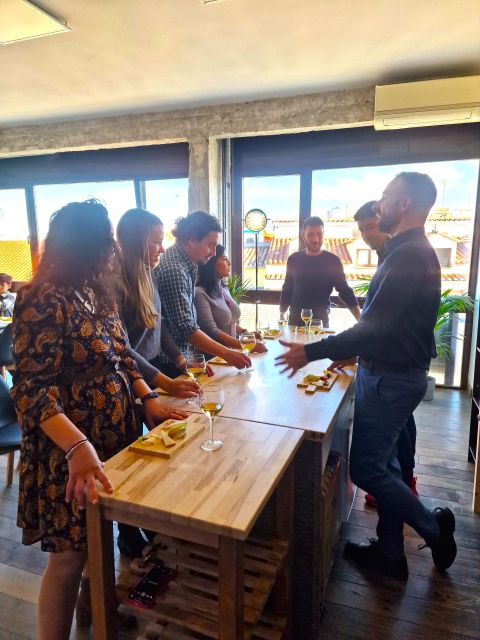
The best part of this tasting is the geographic spread. You are not simply given four similar wedges and four glasses of wine. The cheeses come from different Spanish regions and use different milk combinations, so the tasting can show how local ingredients and methods shape flavor.
You begin with cow cheese from D.O. Mahón Menorca, a protected cheese from the Balearic island of Menorca. Its inclusion gives the tasting an island voice and helps show that Spanish cheese is not limited to mainland mountain and pasture regions.
The Madrid connection comes through a goat cheese from D.O. Cabezuela. This is especially useful if you want to taste something tied to the area you are visiting. You are sampling a local product while sitting in the capital, rather than only tasting famous imports from farther away.
The lineup also includes a cheese from D.O. Murcia made with sheep, goat, and cow milk. That mixed-milk detail matters. It gives the guide a clear opening to explain how different milks affect the final cheese, and it lets you compare a blended style with the single-milk examples.
The most distinctive name on the table is Gamoneu from Asturias, made with sheep, goat, and cow milk. Asturias is well known for its mountain cheese traditions, and Gamoneu gives the tasting a northern Spanish counterpoint to the island and central Spanish selections. I would pay close attention when this cheese appears, since it is likely to be the one that feels least familiar to many international visitors.
The experience does not list the exact serving order or the amount of each cheese. That is worth keeping in mind. You should expect a structured tasting table, but not a large cheese board that replaces dinner.
More Wine and Cheese Tastings in Spain
- Tacoronte: Guided Winery Tour with Wine and Cheese Tastings
★ 4.6 · 481 reviews - Tenerife Bodegas Monje Winery Tour with Wine and Cheese Tasting
★ 4.5 · 121 reviews - Visit and wine tasting with sausage and BODEGA PIRINEOS cheese
★ 5.0 · 73 reviews
Four wines from Murcia to Andalusia
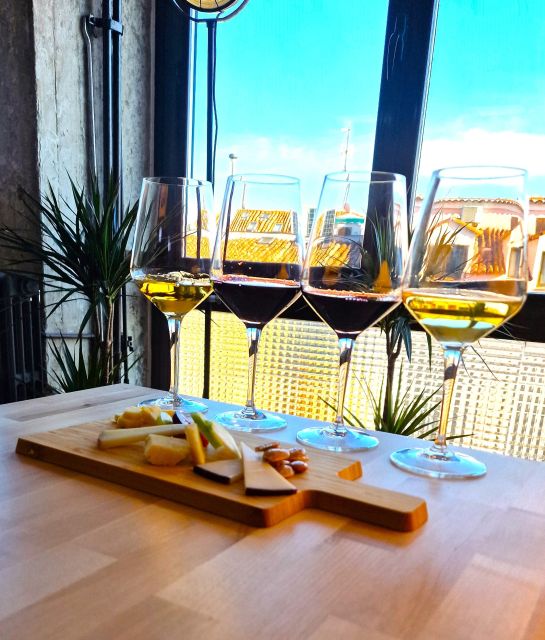
The wine pairings are chosen to cover several Spanish styles and regions. You receive a red from the Region of Murcia, a fine wine from Andalusia, a white from Castilla-La Mancha, and a red from Valencia.
This selection gives you a broad national sample in a short time. The white wine provides a clear contrast with the reds, while the Andalusian fine wine adds a style with a different place in Spanish drinking culture. The two red wines also give you a chance to compare regional character instead of treating Spanish red wine as one single category.
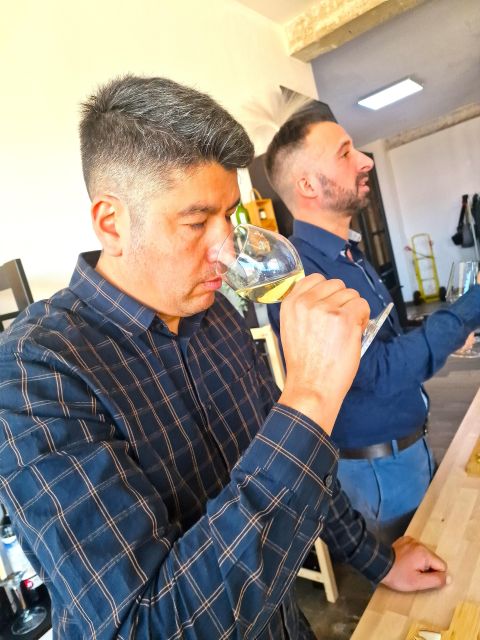
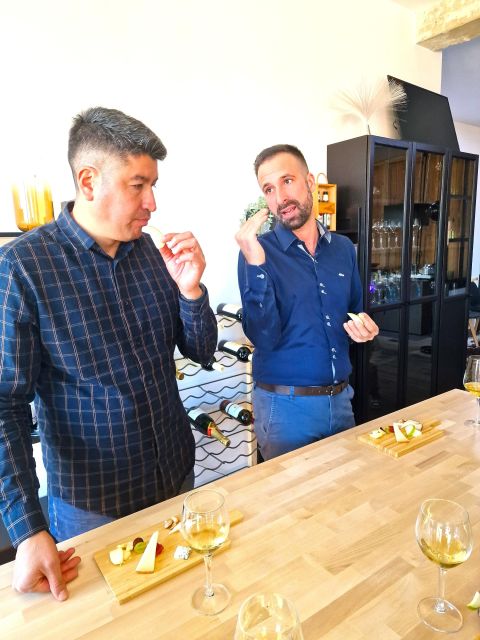
The pairing lesson is where the wines become more useful. You learn not only what you are drinking, but how to put cheese and wine together. A local expert explains the qualities of each cheese and wine, then shows how a pairing can bring out certain flavors or soften others.
That guidance is valuable for beginners. You do not need to know Spanish wine regions before arriving, and you will not have to pretend you can identify every grape in the glass. You can focus on simple questions: Is the cheese creamy, firm, sharp, or mild? Is the wine light, sweet, dry, or full-bodied? Which combination works best for your own taste?
What the two-hour tasting feels like
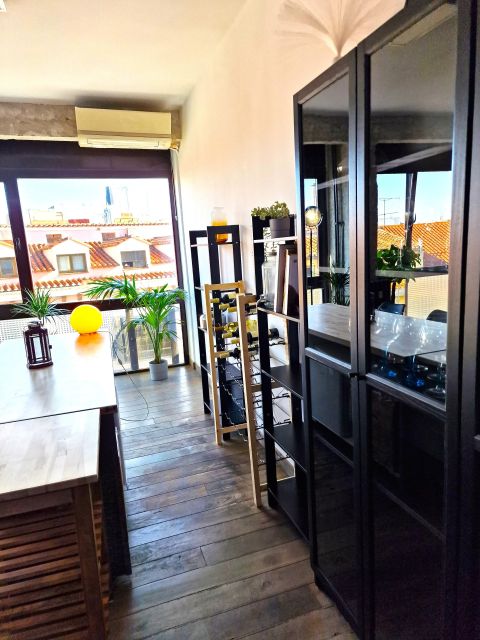
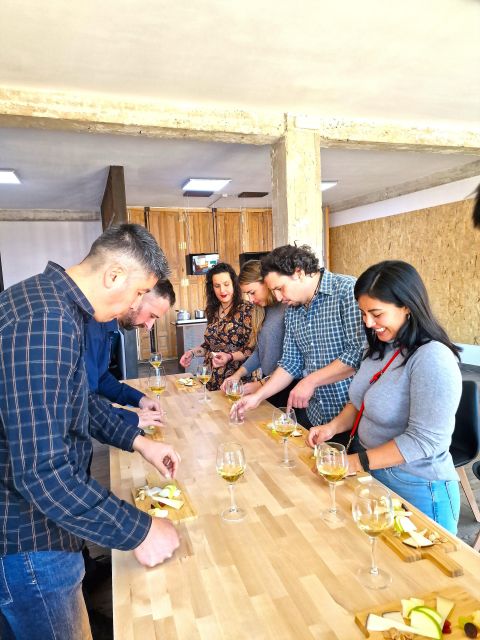
The activity takes place in a cozy, elegant setting in central Madrid. The format is built around a table of four cheeses and four wines, with the guide explaining the products as you taste.
A typical flow begins with an introduction to Spanish cheese and wine culture, followed by the individual cheeses and their regional origins. The guide then connects each cheese with one of the wines. The exact order is not provided, so you should let the host lead the sequence rather than expecting a fixed public schedule.
The explanations include food history and Spanish gastronomic culture. That makes the experience more than a series of samples. You learn why protected designation matters, how regional products are identified, and how cheese and wine fit into Spain’s wider eating traditions.
You also get time to compare your own reactions. One person may prefer the goat cheese with the white wine, while another may enjoy the stronger Gamoneu with red wine. There is no need for everyone at the table to choose the same favorite. That personal comparison is one reason a guided tasting can be more useful than buying random products at a shop.
The session lasts two hours, which gives the guide time to explain the products without turning the experience into an all-day commitment. You can place it between sightseeing stops, though you should allow enough time to find the address and reach the second floor.
Why the location near Plaza Mayor helps
The meeting point is in the heart of Madrid, near Plaza Mayor, one of the easiest areas to combine with a walking day through the old center. You do not need to arrange separate transport to a distant winery or rural cheese producer.
The address requires one small but important step: after reaching the building, go up to the second floor and look for door A. This is the kind of instruction you want to remember before arriving. Central Madrid buildings can have several doors and floors, so checking the meeting details in advance will save time.
The location is also useful when your schedule is tight. You can pair the tasting with other central sights, but do not treat the two hours as an afterthought. The educational side is a key part of the experience, and arriving rushed could make it harder to enjoy the food and explanations.
There is no transportation included or required in the information provided. You are responsible for reaching the central meeting point.
Same region, a different board:
- Guided Visit to the Estrella Galicia Museum with Cheese Pairing
★ 5.0 · 218 reviews - Fuerteventura: Tickets to Salt, Cheese and Windmill Museums
★ 4.4 · 129 reviews - Fuerteventura: Artisan Goat’s Cheese Making at Local Farm
★ 4.9 · 112 reviews - Menorca: Guided visit to the Subaida cheese factory,
★ 4.5 · 96 reviews
The guides are a major part of the experience
The quality of a tasting depends heavily on the person leading it. Here, the activity is presented by a local expert, and the available instruction languages are English, Spanish, Italian, French, and Portuguese.
Several named hosts received especially warm praise. Anthony was thanked for making one French-speaking visit enjoyable, Yirelis was praised for guiding a wine and cheese tasting, and Toni was singled out for strong explanations and friendly treatment. These comments suggest that the host’s manner can shape the experience as much as the food itself.
The exact guide for your booking may vary, so do not assume you will meet one particular person. Still, the repeated emphasis on clear explanations and professional service is encouraging. This is not a self-guided plate of cheese with labels and no context.
I would ask questions during the tasting. Ask which cheese is most local to Madrid, which wine the guide would serve at home, and which pairing is the most traditional. Those questions can turn a standard tasting into a more personal conversation.
The activity can also work well for people who do not usually attend wine events. You are not expected to use specialist vocabulary. The guide’s job is to make the products understandable, not to test your knowledge.
Is $59 a fair price?
The price is $59 per person for two hours. That is not a budget snack, but the value depends on what you want from the outing.
You receive four cheeses with protected designations of origin, four Spanish wines, a local guide, and an explanation of regional food culture and pairing. If you would otherwise buy several Spanish cheeses and wines on your own, the guided format gives you a more organized way to compare them and understand what you are tasting.
The price makes the most sense for people who value context. If you only want a few bites and drinks, you may find the cost high. If you want a focused introduction to Spanish cheese and wine without leaving Madrid, the combination of products and instruction is more persuasive.
Portion size is not specified, and this should guide your expectations. I would plan another meal before or after the tasting rather than relying on it as dinner. One lower-rated comment focused only on the food, which is a reminder that not everyone judges the experience by the guide and atmosphere. If quantity is your main concern, ask about portions before booking.
The strongest praise centers on the quality of the cheeses, the wines, the explanations, and the personal service. Those are the areas where the $59 price is easiest to defend.
Who should book this tasting
This experience suits you if you enjoy trying regional food but do not want to spend half a day outside Madrid. It is also a good fit if you want an activity that works in almost any weather and gives you something more substantial than a quick bar stop.
I would especially recommend it for:
- Adults who enjoy cheese, wine, or both
- First-time visitors who want a short introduction to Spanish food regions
- Couples looking for a relaxed central activity
- Friends who like comparing tastes and discussing favorites
- Families traveling with adult children
- People who want instruction in English, Spanish, Italian, French, or Portuguese
It may not suit you if you are vegan, pregnant, under 18, or unable to consume alcohol. The provided restrictions also list people with epilepsy, people with a cold, and people prone to seasickness as unsuitable. Those rules are unusual for a city tasting, so take them seriously and ask the provider before booking if you are unsure how they apply to you.
Indoor smoking and vaping are not allowed. Alcohol and drugs, explosive substances, and bare feet are also prohibited. These rules are straightforward, but they are worth knowing before you arrive.
How to get the most from your two hours
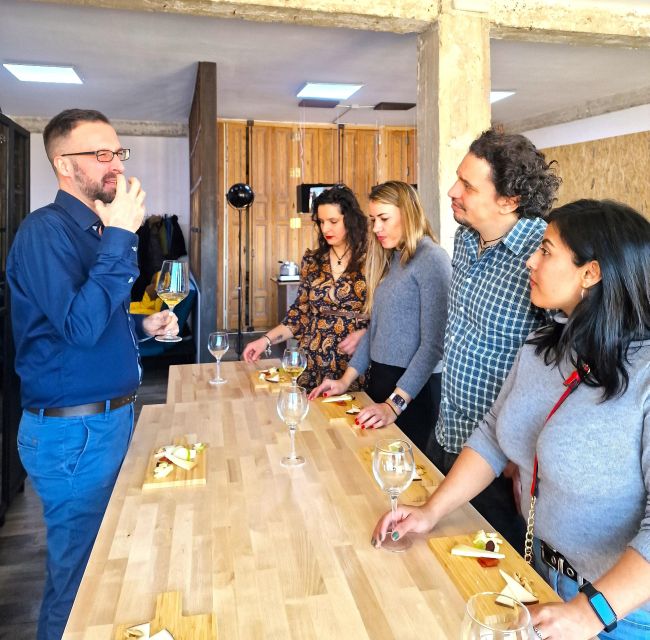
Arrive ready to taste slowly. Four wines and four cheeses can blur together if you rush, especially when the guide is explaining regional details at the same time.
Try each pairing before forming an opinion. You may like a cheese on its own but prefer it with a different wine. That contrast is the point of the session.
Keep a mental note of your favorites. The tasting covers products from Menorca, Madrid, Murcia, Asturias, Andalusia, Castilla-La Mancha, and Valencia. Remembering the place names will help if you later want to buy a similar Spanish cheese or wine.
I would also treat the session as a chance to ask practical food questions. Find out which cheeses are easiest to find in Madrid shops, which products are protected by designation, and which wine styles pair well with Spanish meals. The guide may be able to give you useful ideas for the rest of your trip.
The setting is described as cozy and elegant, so smart-casual clothing makes sense, though no dress code is provided. Most important, arrive at the correct floor and door. The second-floor entrance and door A are easy to miss if you only follow the street address.
Final call: book it for guidance, not a full meal
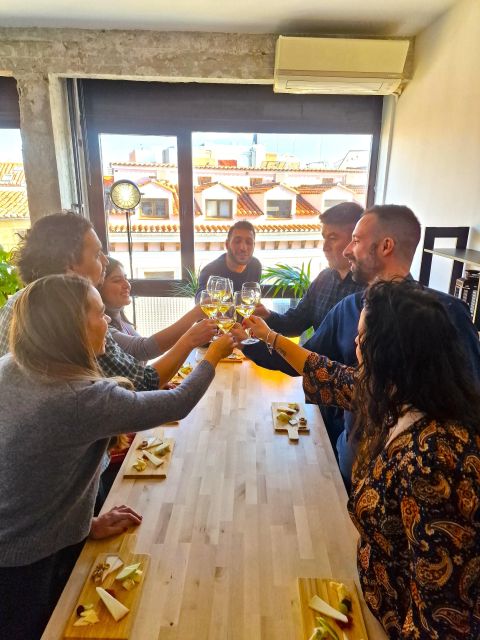
I would book this tasting if you want a well-organized introduction to Spanish cheese and wine in central Madrid. The four protected-origin cheeses, four regional wines, multilingual guides, and repeated praise for friendly service give it a clear purpose. The 4.8 rating from 25 reviews also points to a consistently positive experience.
I would skip it if you want a large meal, dislike guided tastings, or cannot take part because of the listed restrictions. At $59, the price is easiest to justify when you care about learning what you are tasting, not simply consuming as much as possible.
For most adult food lovers, this is a sensible two-hour addition to a Madrid itinerary. Plan another meal, arrive at the second floor, and let the guide explain why Spain’s cheeses and wines taste so different from one region to the next.
FAQ
Where does the Spanish cheese and wine tasting take place?
It takes place in central Madrid, near Plaza Mayor.
How do I find the meeting room?
After reaching the address, go up to the second floor and look for door A.
How long does the experience last?
The tasting lasts two hours.
How much does it cost?
The price is $59 per person.
How many cheeses are included?
The tasting includes four cheeses with protected designation of origin.
Which cheeses are included?
The selection includes cow cheese from D.O. Mahón Menorca, goat cheese from D.O. Cabezuela in Madrid, a sheep, goat, and cow cheese from D.O. Murcia, and Gamoneu from Asturias.
Which wines are included?
You receive a red wine from Murcia, a fine wine from Andalusia, a white wine from Castilla-La Mancha, and a red wine from Valencia.
What languages are available?
The instructors can lead the experience in English, Spanish, Italian, French, or Portuguese.
Can children attend?
No. The experience is not suitable for children under 18.
Can I cancel for a full refund?
Yes. You can cancel up to 24 hours in advance for a full refund. You can also reserve now and pay later.
Just added around Spain
- Cheese Factory Workshop with Wine Tasting in Requena, Valencia★ 4.5 · 3 reviews
- Guided Tour Montesdeoca Cheese Factory – Cheese and Wine Tasting★ 4.5 · 6 reviews
- Hike the Cork Oak trail and try some Delicious Cheese★ 5.0 · 12 reviews
- Discover the Art of Idiazabal Cheese in the Basque Country★ 4.5 · 9 reviews
- Private Basque Cheese & Txakoli Wine Tour from San Sebastian★ 5.0 · 20 reviews
- Menorca: Cheesemaking and Farm-Fresh Product Tasting★ 5.0 · 29 reviews
- Mallorca Wine and Cheese Tasting★ 5.0 · 29 reviews
- Madrid Bike Tour with Churros and Wine, Ham, and Cheese Upgrade★ 5.0 · 8 reviews
Wine and Cheese Tastings, compared.
Classic Saloon Boat Cruise with Cheese & Wine
Read our review →
Montmartre Cheese, Wine & Pastry Guided Walking Tour
Read our review →
Evening Candle Light Cruise With Wine & Cheese
Read our review →
Amazing Yarra Valley Wine Tour + Chocolate, Farm Fresh, Gin
Read our review →
Private Montmartre Food Tour with Wine, Cheese & Pastries
Read our review →
Paris Le Marais Food Tour With 10+ Tastings, Cheese, Wine & More
Read our review →Browse the lists this tour appears in