
REVIEW · DAIRY FARM AND CHEESE FACTORY VISITS
Menorca: Guided visit to the Subaida cheese factory,
Cheese tells Menorca’s story. At Subaida farm, you see traditional Mahón-Menorca cheese made by hand, meet the animals behind it, and finish with a generous tasting of island specialties. I like the hands-on calf feeding and the clear look at milking, maturing, and farm work. I also like that the visit connects cheese with sobrasada, local sausage, almond sweets, bread, wine, and water.
The main drawback is the language and group size. The live tour is in Spanish, and one October visit felt crowded enough that it was hard to hear the guide. If you prefer a quiet, small-group experience or need detailed explanations in English, this may require some patience.
Key points to know before visiting
- Mahón-Menorca cheese from farm to tasting table: You follow the cheese through production and hand-maturing before sampling four varieties.
- Bottle-feeding calves: This simple activity gives the visit a friendly, hands-on touch, especially for families.
- A working farm, not just a shop: You see the cowshed, milking room, farm animals, and other working areas.
- The first afternoon visit may include milking: Timing matters if you want to see the cows being milked.
- A generous Menorcan tasting: Cheese comes with sobrasada, carn i xulla, carquinyols, bread, wine, and water.
- Spanish-language guiding: An information sheet helps, but large groups can make it harder to follow every explanation.
Why Subaida makes a good rural Menorca stop
Menorca is known for coves and beaches, but the island’s inland farms explain just as much about local life. Subaida sits in the middle of Menorca, surrounded by open farmland and broad views. The setting helps you understand that Mahón-Menorca cheese is not simply a product made in a factory. It begins with cows, grass, daily milking, and the work of a family farm.
I like this visit because it gives you a useful change of pace from the coast. You are not only looking at finished cheese behind a counter. You see the animals, the rooms where milk is handled, and the places where cheese is made and aged.
The visit lasts about 90 minutes. That is long enough to cover the farm and production process without turning into an all-day commitment. At $16 per person, the price is strong value, especially because the tasting includes several cheeses and a full range of typical Menorcan foods, not just one small cube and a sip of wine.
The experience has a practical, working-farm feel. That also means it may not be polished like a museum visit. Animals are present, the farm can be busy, and the group atmosphere may affect how well you hear the guide.
More Cheese Farm Visits in Spain
- Tenerife – Farm Tour with Cheese Tasting
★ 4.9 · 54 reviews - Visit La Antigua Cheese Factory (Cheese Tourism)
★ 5.0 · 33 reviews - From Valencia: Guided Cheese Factory Tour with Wine Tasting
★ 4.9 · 20 reviews
Arriving at a working farm in central Menorca
Subaida’s location in central Menorca makes it useful for anyone planning an inland day. The farm provides wide rural views, and the scenery is part of the visit rather than a backdrop you barely notice. Bring your attention outdoors at the start, especially if you have spent most of your holiday in towns or along the shore.
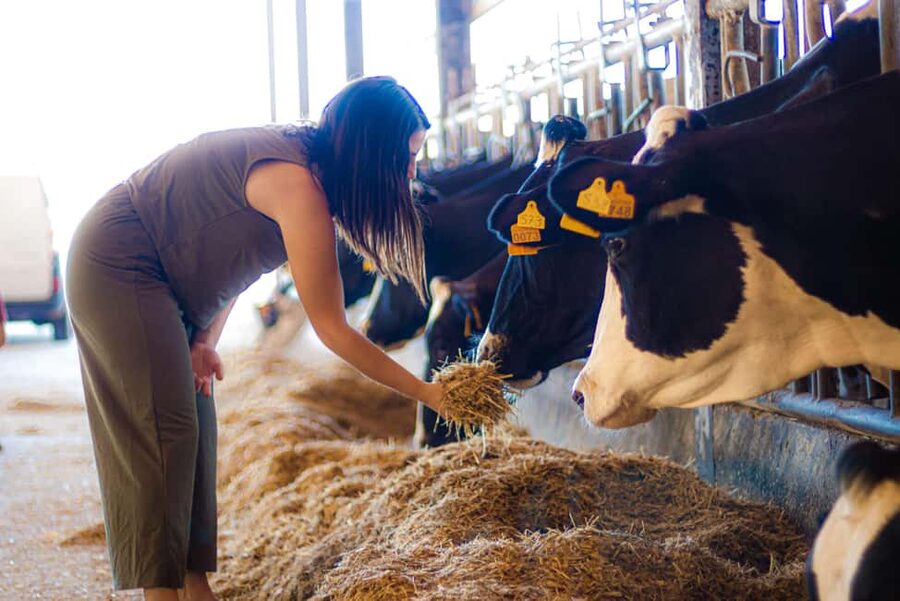
The farm visit begins with an introduction to the facilities and animals. You can expect to see the cowshed, milking room, and other farm areas. This opening section matters because it puts the cheese in context. Before you taste a mature piece of Mahón-Menorca cheese, you see the animals and the daily work connected to it.
The farm also places emphasis on animal welfare. That does not mean the visit is a formal lecture on farming standards, but it does give you a better sense of the care involved in producing the milk. For me, this is one of the more worthwhile parts of the experience. Cheese tasting is more interesting when you understand what comes before the tasting board.
People with animal allergies should take the setting seriously. This is a farm visit with cows and other animals, not a clean, enclosed food museum.
Meeting the calves and seeing the milking room
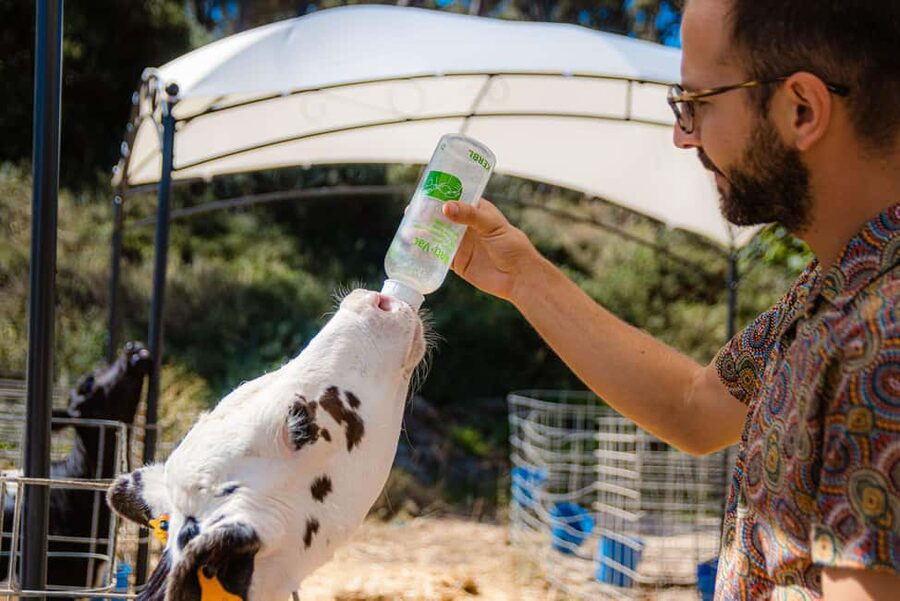
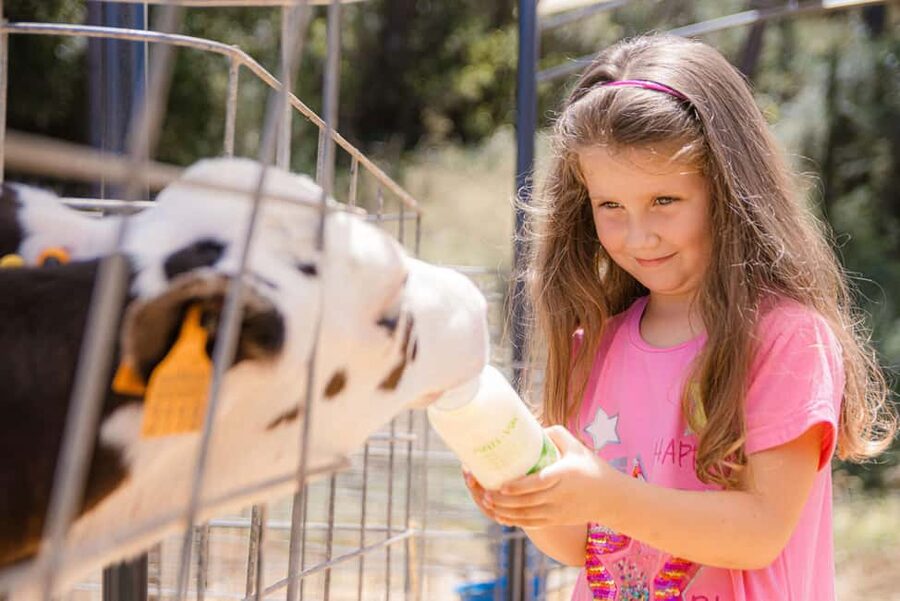
The most hands-on part of the visit is bottle-feeding the calves. It is a short activity, but it gives the tour an immediate connection with the farm. Children are likely to enjoy it, and adults usually find it more memorable than simply watching a guide explain a production process.
You then see the milking room, which shows the practical side of dairy farming. The details provided for the tour do not promise that every visit includes an active milking demonstration. However, during the first afternoon visit, you can see the cows being milked. If that moment matters to you, check the available starting times before booking.
That timing point is useful. A tour can still be worthwhile without live milking, since the cowshed and milking facilities remain part of the visit. But seeing the process as it happens gives you a clearer picture of how fresh milk becomes the base for the island’s best-known cheese.
The farm work also keeps the visit grounded. You are not being shown a staged rural scene created only for visitors. The focus is on animals, milk, cheese, and the methods used at Subaida.
Following Mahón-Menorca cheese from milk to wheel
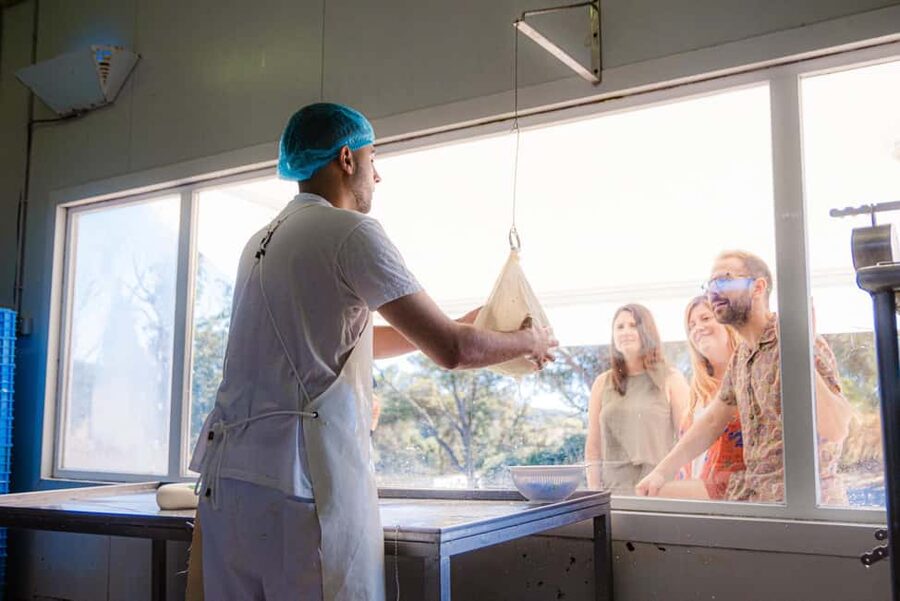
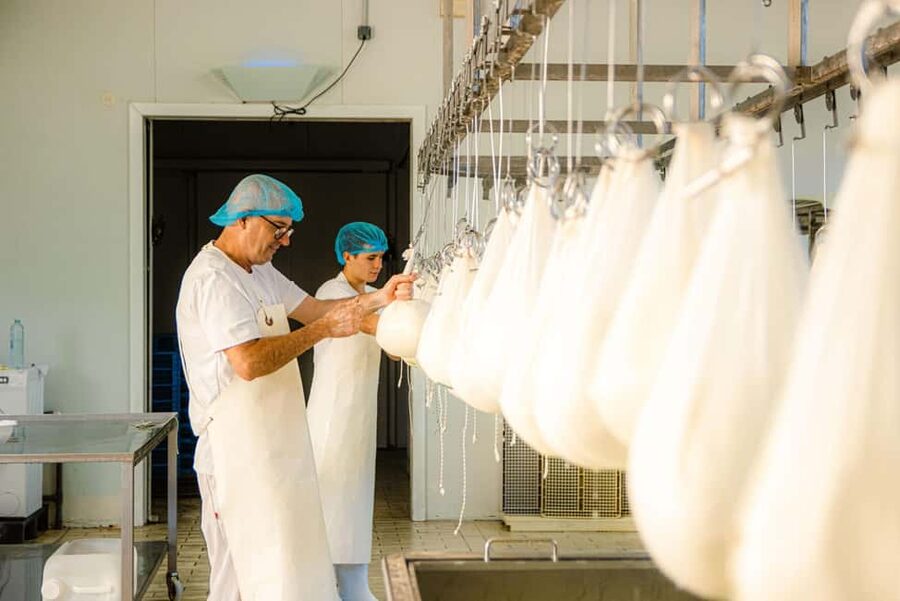
The central lesson is how a piece of Mahón-Menorca Denomination of Origin cheese is made and matured by hand. The guide explains the process as you move through the relevant facilities. You learn that the cheese is not just branded with a Menorcan name after production. Its identity comes from local ingredients, traditional methods, and controlled maturation.
The hand-made approach is especially important for understanding texture and flavor. The visit shows how the cheese develops rather than treating the finished product as a mystery. You get a practical explanation of why young and mature cheeses taste different, even though they begin with the same basic farm product.
Four varieties are included in the tasting. The exact selection can vary, but the point is to compare stages or styles rather than sample a single cheese and call it a lesson. Pay attention to differences in firmness, salt, aroma, and finish. If the guide is speaking quickly in Spanish, a simple information sheet can help you connect the names with what is on your plate.
The tour is conducted in Spanish, and some content is presented in its original language. Basic Spanish will help, but you do not need to understand every word to follow the visible parts of the visit. The rooms, animals, equipment, cheese, and tasting all communicate plenty.
Still, language is a real consideration. A visitor from the United Kingdom found the information sheet sufficient for understanding the process and noted that multilingual audio tours were being developed. That could make the experience easier for non-Spanish speakers in the future. For now, arrive ready to learn partly through observation.
Same region, a different board:
- Tacoronte: Guided Winery Tour with Wine and Cheese Tastings
★ 4.6 · 481 reviews - Guided Visit to the Estrella Galicia Museum with Cheese Pairing
★ 5.0 · 218 reviews - Fuerteventura: Tickets to Salt, Cheese and Windmill Museums
★ 4.4 · 129 reviews - Tenerife Bodegas Monje Winery Tour with Wine and Cheese Tasting
★ 4.5 · 121 reviews
The tasting: four cheeses and a full plate of Menorca
The tasting is where the $16 price becomes especially attractive. You sample four varieties of Mahón-Menorca cheese, then move beyond dairy to other local products. The spread includes sobrasada, carn i xulla, carquinyols, bread, wine, and water.
Sobrasada is a soft, seasoned sausage spread, while carn i xulla is a traditional Menorcan sausage. Carquinyols are crunchy almond sweets. Together, these foods give you a broader taste of the island than a cheese-only stop would.
I like the structure of the tasting because it shows how cheese fits into local eating habits. The bread helps you taste the cheese in a more natural way. The wine gives the sampling a social feel, and the almond sweets provide a gentle finish.
The portioning appears generous rather than symbolic. One visit described the tasting as more than generous, and that matches the range of products included. You should not expect a full restaurant meal, but the tasting is substantial enough to feel like a proper part of the tour.
Try the cheeses slowly. Sample them alone first, then with bread. If you enjoy comparing food, note which variety feels mildest and which has the strongest finish. You can also ask the guide questions at the end, when it may be easier to hear the answers.
Group size and hearing the guide
The largest practical concern is crowding. One October visit found the group so full that the experience became uncomfortable. Another visitor had trouble hearing because people in the group were talking. These are not small complaints if your main reason for booking is to learn about the cheese-making process.
The guide can make a major difference. The Spanish guide received strong praise for explaining the subject well, and questions after the formal visit were answered. The problem was not the quality of the explanation. It was the noise and the number of people gathered together.
You can improve your chances by arriving ready to stay near the guide and by asking questions during quieter moments. If the group is large, standing at the back may make it harder to see equipment and hear instructions. Families with children should keep this in mind, since the farm setting can be exciting but crowded areas require a little extra supervision.
The overall score of 4.5 from 96 ratings suggests that most people find the experience worthwhile, but the feedback also shows why you should set realistic expectations. This is an accessible farm visit with a popular tasting, not a private cheese lesson.
Who will get the most from this visit
I would recommend Subaida to you if you enjoy food, farms, and local traditions. It suits couples looking for an inland activity, families who want something more active than sightseeing, and anyone who wants to understand Menorca beyond its beaches.
It is particularly good for people who like seeing how food is made. The calf feeding, cowshed, milking room, hand production, and tasting create a clear sequence. You see the source, the work, the product, and the finished food in one short visit.
The tour also works well if you have only a little spare time. Ninety minutes is manageable alongside other plans, and the price does not demand a major budget decision. The free cancellation option up to 24 hours before the visit and the reserve-now, pay-later choice also make it easier to fit into a changing Menorca schedule.
I would be more cautious if you have an animal allergy, dislike farm environments, or need a detailed tour in English. You might still enjoy the visual parts and tasting, but the live explanations are in Spanish. A crowded session could also make the language barrier more noticeable.
Wheelchair access is available, which makes this a useful option for visitors who need an accessible activity. The supplied details do not explain every surface or route around the farm, so specific mobility questions should be confirmed before booking if you need more than general accessibility.
How to plan the visit well
Check starting times carefully if you want to see milking. The first afternoon visit is the one specifically connected with that part of the farm routine.
If you do not speak Spanish, treat the experience as a mix of demonstration, tasting, and guided explanation. The information sheet can help you follow the main points, and the physical process is easy to understand even when you miss a sentence. You may also want to save detailed questions for the end, when the guide can respond directly.
The tasting includes wine, so plan your wider day with that in mind. Water is provided, and the food selection is broad enough that you can take your time rather than rush through each sample.
A visit in a less crowded period may feel calmer, although the available details do not promise a particular group size or quiet time. If a peaceful experience matters to you, ask about expected attendance before booking.
Is the $16 price worth it?
Yes, for most people. At $16, you receive a 90-minute guided farm visit, access to the production areas, contact with the animals, an explanation of Mahón-Menorca cheese, and a tasting of four cheese varieties plus several local foods.
The value comes from the combination. A shop tasting alone would be cheaper in some places, but it would not show you the cowshed, milking room, calves, or hand-maturing process. A formal farm tour might explain the animals but offer less food. Subaida joins both parts together.
The price does not guarantee a small group or multilingual guiding. Those are the main limits. Still, if you see the activity as an introduction to Menorcan farming and food rather than a private workshop, it offers a lot for the time and money.
Should you book the Subaida cheese visit?
Book it if you want a friendly, food-focused look at rural Menorca, especially if you enjoy seeing production up close and tasting local specialties. The combination of calf feeding, farm facilities, traditional cheese-making, and a generous plate makes this more useful than a quick cheese-shop stop.
Think twice if you need English guiding, quiet surroundings, or distance from animals. The Spanish-only format and possible crowding can affect the experience. For everyone else, Subaida is a practical and reasonably priced way to taste Menorca while learning how one of its signature foods begins.
FAQ
Where is the Subaida cheese factory visit located?
The visit takes place at Subaida farm in the middle of Menorca, Spain.
How long does the experience last?
The guided visit lasts approximately 90 minutes.
What language is the tour in?
The live tour guide speaks Spanish. Some content is shown in its original language, and an information sheet may help you follow the cheese-making process.
Can I feed the calves?
Yes. The visit includes the chance to bottle-feed the calves.
Will I see the cows being milked?
You can see milking during the first afternoon visit. Other starting times may not include an active milking demonstration.
What food is included in the tasting?
The tasting includes four varieties of Mahón-Menorca cheese, sobrasada, carn i xulla, carquinyols, bread, wine, and water.
Is the experience wheelchair accessible?
Yes, the activity is listed as wheelchair accessible. People with animal allergies should not book because the visit takes place around farm animals.
Just added around Spain
- Cheese Factory Workshop with Wine Tasting in Requena, Valencia★ 4.5 · 3 reviews
- Guided Tour Montesdeoca Cheese Factory – Cheese and Wine Tasting★ 4.5 · 6 reviews
- Hike the Cork Oak trail and try some Delicious Cheese★ 5.0 · 12 reviews
- Discover the Art of Idiazabal Cheese in the Basque Country★ 4.5 · 9 reviews
- Private Basque Cheese & Txakoli Wine Tour from San Sebastian★ 5.0 · 20 reviews
- Menorca: Cheesemaking and Farm-Fresh Product Tasting★ 5.0 · 29 reviews
- Mallorca Wine and Cheese Tasting★ 5.0 · 29 reviews
- Madrid Bike Tour with Churros and Wine, Ham, and Cheese Upgrade★ 5.0 · 8 reviews
Dairy Farm and Cheese Factory Visits, compared.
Authentic Farm Tour with Pizza, Cheese, Wine & Limoncello Tasting
Read our review →
Paris Art of Pairing Cheese and Wine Tasting in a Cheese Cellar
Read our review →
Experience Zaanse Schans Windmills & Cheese Farm
Read our review →
Amsterdam private tour to windmills, cheese farm and villages
Read our review →
Rhine Falls, Chocolate & Cheese Factory Day Trip
Read our review →
Parmigiano Reggiano Farm Tour & Tasting with Transfer
Read our review →Browse the lists this tour appears in