
REVIEW · OLIVE OIL AND CHEESE TASTINGS
Athens: Acropolis Wine Tasting with Cheese and Olives
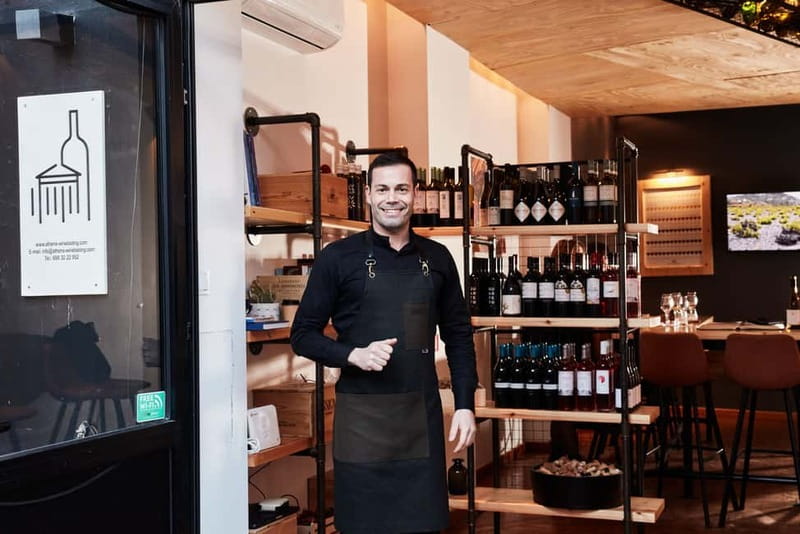
Greek wine deserves your attention. This small tasting beneath the Acropolis combines five Greek wines with regional cheeses, olives, and bread rusks, while a friendly wine expert explains how to taste and judge what is in your glass. I especially like the mix of practical instruction and stories about Dionysus, ancient winemaking, and Greece’s wine regions. The main drawback is the price: at $44, it is fair for quality wine and food, but not a bargain if you only want a few drinks.
You will also get a virtual tour of Attica’s vineyards, grape varieties, and older winemaking methods. I like that the session works for beginners without talking down to people who already know wine. The one thing to keep in mind is that this is an educational tasting first, not a casual wine bar stop. If you prefer to sip quietly with little explanation, the detailed presentation may feel like more than you need.
Key things to know before you book
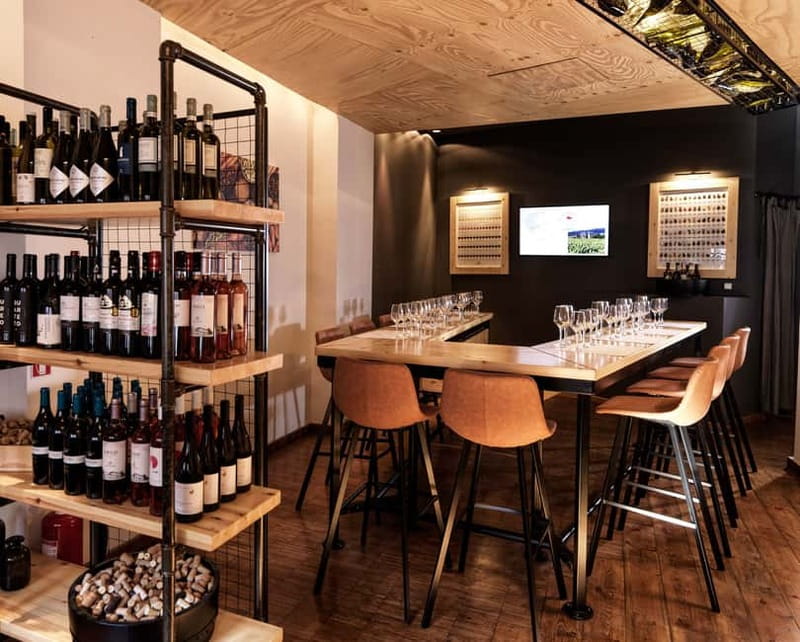
- Five wines, three white and two red: You get a useful introduction to the range of Greek wine rather than five similar pours.
- Five Greek cheeses and local accompaniments: Olives, homemade bread rusks, and cheeses from different parts of Greece turn the tasting into a light food experience.
- Usually eight to ten people: The small group keeps the session social and gives you room to ask questions.
- A virtual visit to Attica vineyards: You learn about local grapes, growing areas, and old production methods without leaving central Athens.
- Practical wine lessons: You are shown how to assess color, aroma, taste, alcohol, and overall quality.
- A good arrival-day activity: The tasting can help you learn which Greek wines and food pairings you want to seek out during the rest of your trip.
What happens beneath the Acropolis
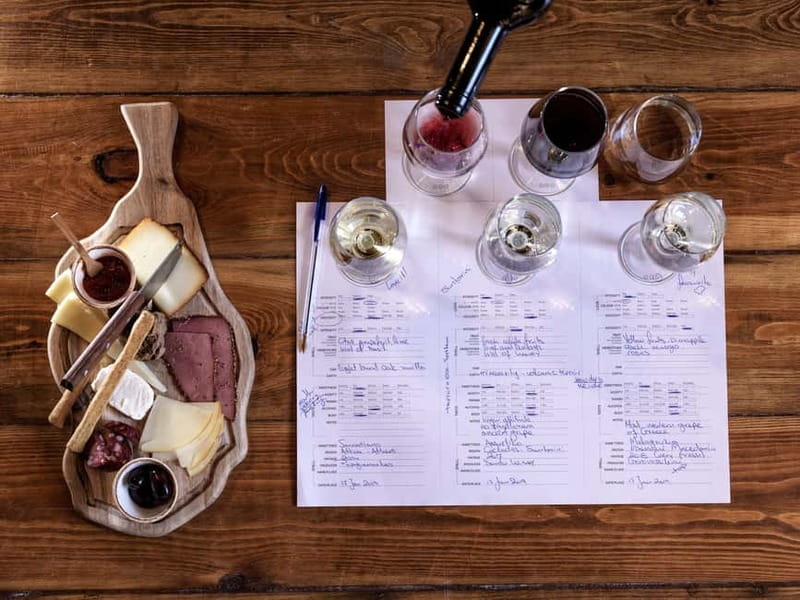
The experience takes place at a wine-tasting venue near the Acropolis, with the meeting point listed at Tournavitou 9 for the available option. The setting is central and designed for sitting, tasting, and discussion rather than walking from one sight to another.
Allow about one to one and a half hours. That is long enough to cover the basics without turning the session into a full afternoon course. You return to the same starting point afterward, so this is easy to fit between sightseeing, dinner, or an evening stroll.
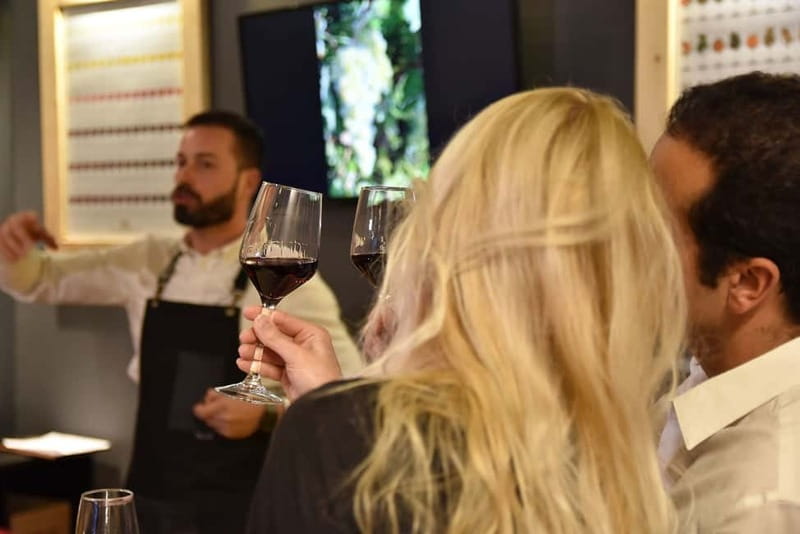
The group is usually small, often around eight to ten people. That matters here. Wine tasting works best when you can ask why one wine smells different from another, or admit that you cannot detect the fruit or spice someone else is describing. The format is social, but it is not a large, noisy presentation.
A private group is also available. That may suit a family group of adults, a pair celebrating a special occasion, or friends who want more control over the pace. The standard session is likely the better value if you enjoy meeting other wine drinkers.
More Olive Oil and Cheese Tastings in Greece:
- From Chania: Olive Oil, Wine, Cheese & Honey Tasting Tour
★ 4.6 · 490 reviews - Cretan Farm Tour with Cheese-Making, Olive Oil Tasting & Picnic
★ 5.0 · 10 reviews - Farm Tour with Cheese-Making, Olive Oil Tasting & Picnic
★ 5.0 · 8 reviews
Five glasses that show Greece’s range
The tasting includes three white wines and two reds. The exact labels are not specified in the activity details, so you should not book expecting a named list in advance. The useful point is the structure: five distinct Greek wines give you a broad first look at the country’s styles.
The guide introduces the wines one at a time and explains their regional background and character. You learn to look at the color, smell the wine before tasting it, and pay attention to how it changes in your mouth. Alcohol level, balance, and finish also enter the conversation.
This is valuable even if you are not a wine enthusiast. Greek wine labels and grape names may be unfamiliar, and a short lesson gives you a way to make sense of them. Instead of choosing a bottle because the label looks attractive, you can begin to ask what kind of grape it uses, where it comes from, and what food might suit it.
The tasting also helps experienced wine drinkers place Greek bottles in a wider context. Several people who already had experience with tastings found the historical and scientific material different from the usual wine lesson. The session is not only about deciding if a wine tastes good. It explains how and why you reach that judgment.
The cheese course is part of the lesson
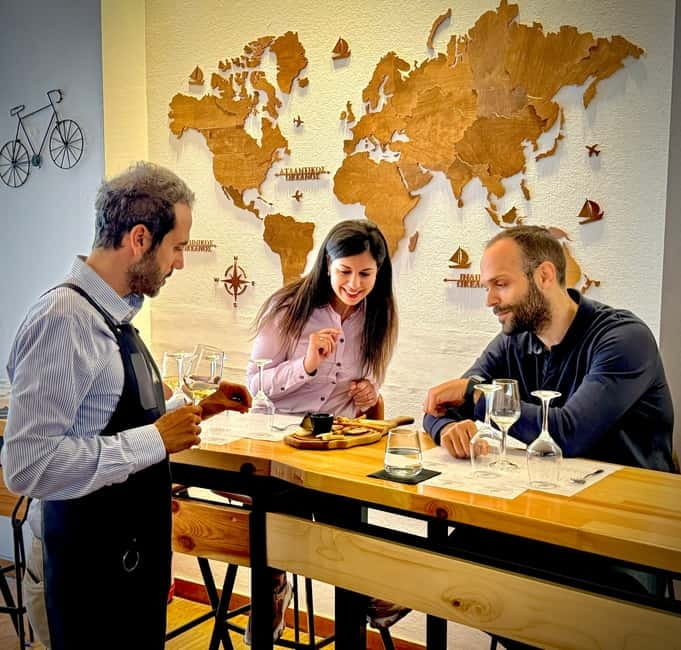
The food is more than a bowl of snacks beside the glasses. You receive five local cheeses from different parts of Greece, along with olives and homemade bread rusks. The pairings show how the same wine can feel different when tasted with food.
That makes the $44 price easier to assess. You are paying for five wines, instruction, a small selection of regional food, bottled water, and a wine list with a note-taking cheat sheet. It is not a full meal, but it can serve as a substantial pre-dinner stop, especially if you enjoy tasting rather than eating a large portion.
The cheese selection also gives the guide a practical way to talk about balance. Salt, texture, and richness can change your impression of a wine. If you find one glass too sharp or too dry on its own, a bite of cheese may make the pairing work better.
Some descriptions also refer to cured meats, but the stated inclusions specifically list five cheeses, olives, and bread rusks. If meat or other foods matter to you, ask before booking. You should also report dietary restrictions at the time of reservation.
Greek wine told through myth and history
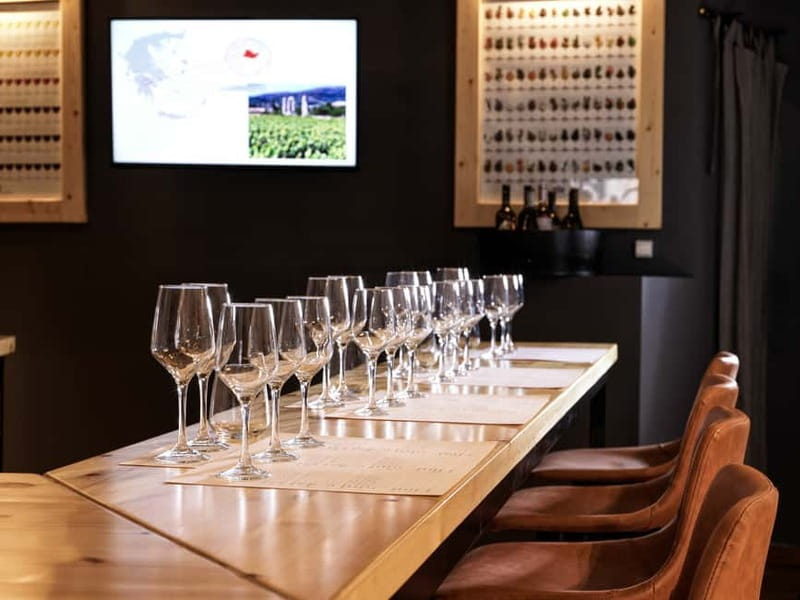
The talk reaches back to Dionysus, the Greek god associated with wine and fertility. These stories add a sense of place without replacing the tasting itself. You are not just learning a technical vocabulary. You are hearing how wine fitted into ancient Greek life and thought.
The session also covers traditional winemaking processes and historic wine regions. A virtual tour focuses on Attica vineyards, grape varieties, and the way wine was made in earlier periods. The format is helpful because you get geographic and historical context without spending half a day traveling out to a winery.
That context is one of the strongest reasons to choose this activity. Athens has plenty of opportunities to order Greek wine, but it is harder to understand what is in the bottle when you have no background. Here, the story connects the glass to its region, its grapes, and the country’s older wine customs.
The history is not treated as decoration. It helps explain why Greek wine has its own identity and why modern producers may use old varieties or methods alongside current techniques. You also hear about contemporary Greek wines and how they pair with Greek cuisine.
More Wine and Cheese Tastings in Greece:
- Cheese & Wine Trails – Naxos
★ 5.0 · 29 reviews - Cheese and Wine Tasting (Guided Tour INCLUDED)
★ 4.5 · 14 reviews - Naxos Mythology & Ancient Sites Tour with Cheese & Wine
★ 4.5 · 12 reviews - Cheese and Wine Tasting Tour From Chania
★ 5.0 · 7 reviews
A class that welcomes beginners
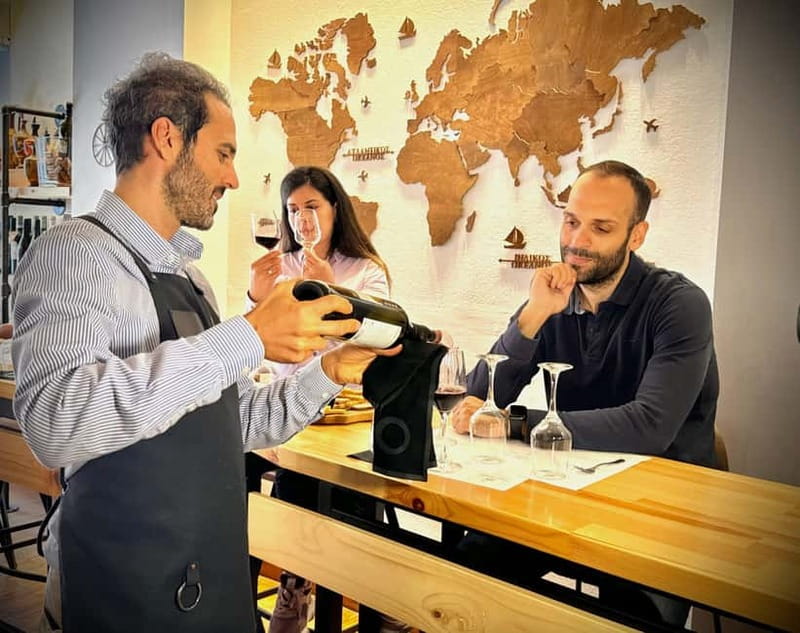
The guide leads you through the basic process of tasting in a clear order. You look at the wine, smell it, taste it, and consider its structure and finish. You also learn the difference between a personal preference and a sign of quality.
That distinction is useful. You do not have to like every wine to recognize that it is well made. A crisp white may not be your favorite, while another person may prefer its acidity. The lesson gives you words and a method for explaining that choice.
The instructors praised most often by name include Tonia, Theo, Anastasia, Evalina, and Yammas, though your guide may be someone else. The strongest descriptions focus on guides who are patient, funny, friendly, and willing to answer questions. That personal tone matters in a small tasting, where a stiff presentation would quickly make the room uncomfortable.
One particularly useful feature is the supplied cheat sheet. You can make notes while tasting, then use the wine list later when you want to remember a bottle. Bring your own pen if you like taking detailed notes, though the activity provides the list and note sheet.
Why the virtual tour works
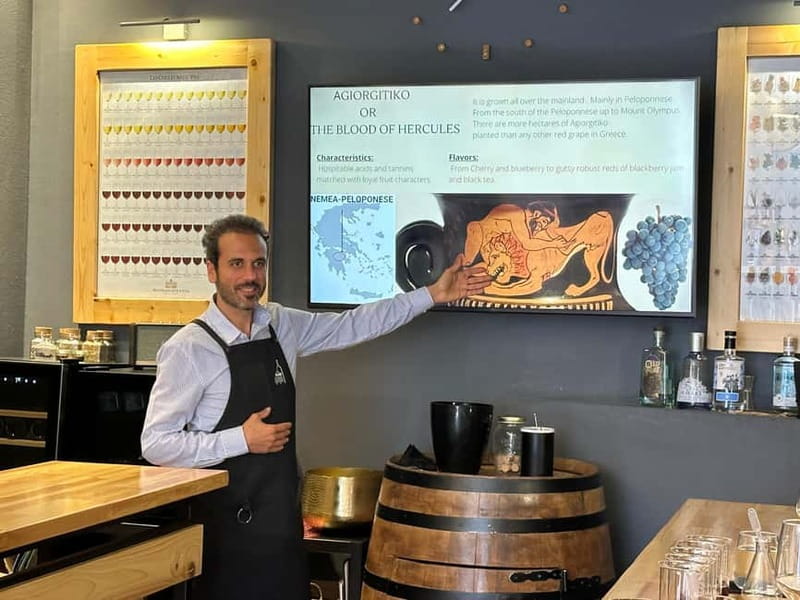
You do not travel to the vineyards during this experience. Instead, the virtual tour introduces Attica’s growing areas and gives you a visual way to connect the discussion to place.
That is a practical tradeoff. You save the time and transport costs of a winery excursion, and you get a focused introduction close to central Athens. The downside is simple: you will not walk among vines, visit a working cellar, or meet a producer at the vineyard.
For a first taste of Greek wine, the virtual format is enough to provide orientation. If you already know the major grapes and want a detailed producer visit, look for a separate countryside wine tour. This session is better for building a foundation before you start ordering bottles around Greece.
Price, timing, and value at $44
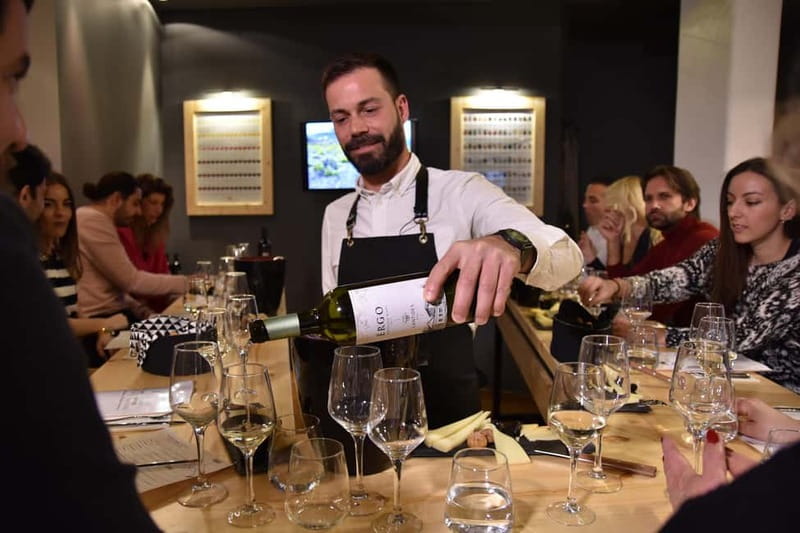
At $44 per person, the experience sits above a basic bar tasting but below the cost of a full winery day trip. The price includes five wines, five cheeses, olives, bread rusks, bottled water, instruction, and tasting notes.
I consider it good value if you care about learning. The guide does not simply pour five glasses and leave you to compare them. You get a structured explanation of wine evaluation, Greek regions, food pairing, and ancient wine culture.
The value is less obvious if your goal is quantity. This is not an all-you-can-drink session, and the food is a tasting selection rather than dinner. You are paying for guidance and context as much as for the wine itself.
The one and a half hour length is convenient. You can schedule it after a morning at the Acropolis or before dinner in central Athens. A late session can also be a pleasant way to slow down after sightseeing, though you should plan to drink responsibly since five wines are served.
You can cancel up to 24 hours ahead for a full refund, and the reserve-now, pay-later option helps if your plans are still shifting. Starting times vary, so check availability before building your day around it.
Who will enjoy this most
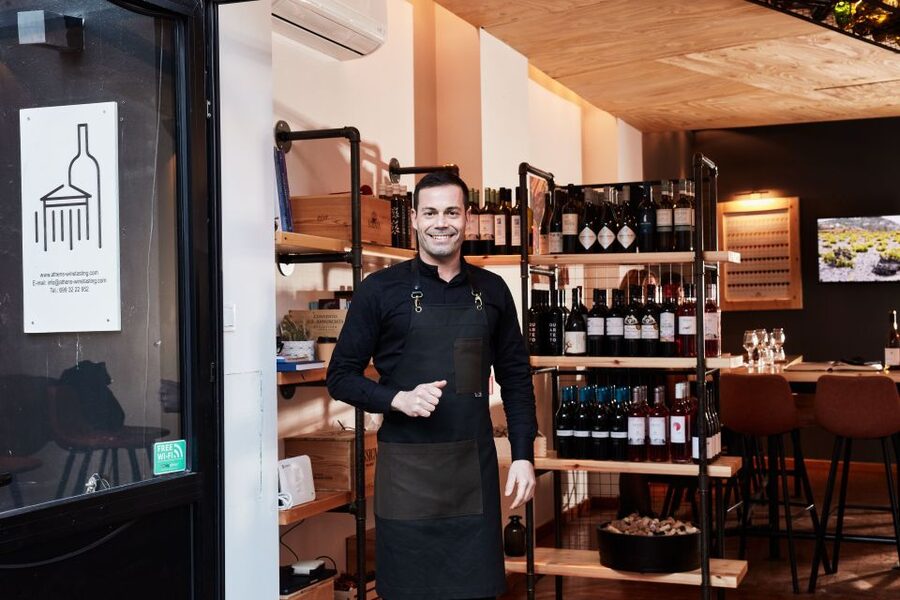
This is a strong choice for adults who want an introduction to Greek wine without leaving Athens. It suits beginners especially well because the guide explains the mechanics of tasting and does not assume you already know wine terms.
You will also get value from it if you like food history, regional cooking, or mythology. The stories about Dionysus and old Greek winemaking give the session more character than a standard tasting focused only on aromas and scores.
Couples, small groups of friends, and solo visitors can all fit the format. One solo participant was made to feel welcome even when attending alone, which is important if you are hesitant about joining a social activity by yourself.
Experienced wine drinkers may enjoy the selection and regional focus, but expectations matter. If you want rare bottles, a technical masterclass, or a visit to a producer, this is too introductory. If you enjoy learning how a country’s wine fits into its culture, it should still be worthwhile.
Children under 18 cannot participate. Everyone tasting wine must be at least 18 and carry a valid photo ID or passport. English and Greek are the listed guide languages.
Smart ways to get more from the tasting
Read the supplied wine list after the session and mark the bottles you liked best. That simple step can guide your choices at tavernas and wine shops later in the trip.
Do not worry about using the right wine vocabulary. Ask what makes a wine balanced, how the cheese changes it, and where the grape is grown. The format is built for questions, and the best guides explain unfamiliar ideas in plain language.
Eat lightly before you arrive, but do not come expecting a full meal. The cheese, olives, and rusks provide useful pairings, yet the tasting should be treated as an appetizer or cultural activity.
Tell the organizer about dietary restrictions when booking. Also check which meeting point option you selected, since the meeting point may vary by booking choice.
Finally, keep your schedule flexible after the tasting. Five wines over ninety minutes can make you ready for a relaxed dinner rather than a demanding museum visit. The activity is short, but it is still a drinking experience.
Should you book the Acropolis wine tasting?
Book it if you want Greek wine explained by a real wine expert, with enough history and food to make the lesson memorable. The small group, five distinct wines, thoughtful cheese pairings, and virtual look at Attica give you more than a simple tasting flight.
Skip it if you want a vineyard visit, a full meal, or a quick drink with no instruction. At $44, the price makes sense for people who value the teaching as much as the glass. For most adults spending a few days in Athens, it is a practical way to understand what you are ordering for the rest of your Greek trip.
FAQ
Where does the wine tasting take place?
The listed starting location is Tournavitou 9 in Athens, beneath the Acropolis area. The meeting point may vary depending on the option you book.
How long does the experience last?
The tasting lasts about one to one and a half hours. The stated wine tasting portion is approximately one and a half hours.
How many wines are included?
You taste five different Greek wines. The selection includes three white wines and two red wines.
What food is served with the wine?
The experience includes five local Greek cheeses, Greek olives, and homemade bread rusks. Bottled water is also included.
Is a full meal included?
No. The food is a tasting selection and is not described as a full meal.
Is the tasting suitable for beginners?
Yes. The guide explains how to taste wine, evaluate quality, and understand Greek wine regions and grape varieties. The activity is also suitable for people with previous wine-tasting experience.
Is the activity available in English?
Yes. The listed guide languages are English and Greek.
Can people under 18 attend?
No. Participants must be at least 18 years old and must bring a valid photo ID or passport for the wine tasting.
Is a private group available?
Yes. A private group option is available, while the usual small group contains around eight to ten people.
What happens if I need to cancel?
You can cancel up to 24 hours before the activity for a full refund. A reserve-now, pay-later option is also available.
Just added around Greece
- Naxos Mythology & Ancient Sites Tour with Cheese & Wine★ 4.5 · 12 reviews
- Naxos Farm Experience and cheese making★ 5.0 · 5 reviews
- Cheese and Wine Tasting (Guided Tour INCLUDED)★ 4.5 · 14 reviews
- Ios: Cooking Experience with Cheese and Wine Tasting★ 5.0 · 6 reviews
- Culture & Taste Tour★ 5.0 · 6 reviews
- Cretan Farm Tour with Cheese-Making, Olive Oil Tasting & Picnic★ 5.0 · 10 reviews
- Cheese and Wine Tasting Tour From Chania★ 5.0 · 7 reviews
- Explore Shepherd’s Hut and Cheese Making Process★ 5.0 · 2 reviews
Olive Oil and Cheese Tastings, compared.
DISCOVER SORRENTO, food &Walking tour . Lemons-cheese&olive oil
Read our review →
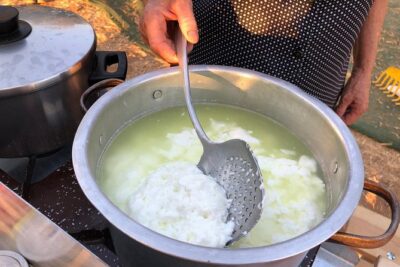
Cretan Farm Tour with Cheese-Making, Olive Oil Tasting & Picnic
Read our review →
Farm Tour with Cheese-Making, Olive Oil Tasting & Picnic
Read our review →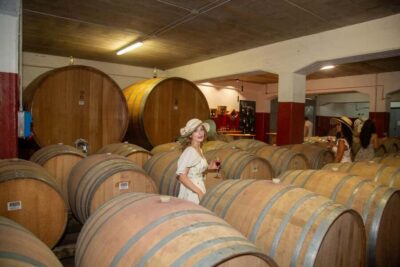
The secret of wine, cheese and olive oil at a farm
Read our review →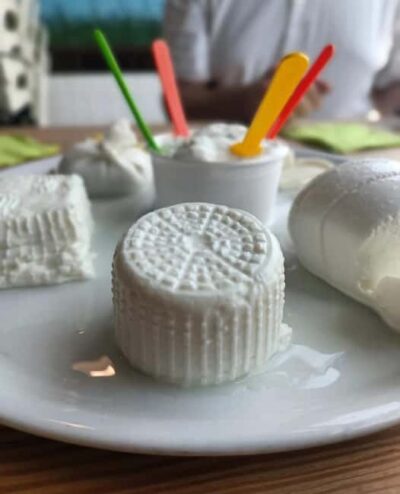
Lecce: Olive Oil, Cheese, and Wine Tasting Experience
Read our review →Browse the lists this tour appears in