
REVIEW · AMSTERDAM CHEESE TOURS
Amsterdam: Make your cheese next to De Hallen
Cheese is easier than you think. This three-hour workshop beside De Hallen gives you a practical introduction to making two fresh cheeses, not just watching someone else do it. I like the hands-on format and the chance to take home both cheeses, cheese cloth, rennet, calcium, and recipes. The main drawback is the price: at $135 per person, this is a special-interest activity rather than a casual stop.
I also like the small group, limited to 10 people, and the friendly teaching style reported by several participants. Paula guides the session with a short presentation, introductions, and clear instruction before you begin. You should know that the workshop is not suitable for children under 16, people over 95, or anyone with lactose intolerance.
Key points at a glance
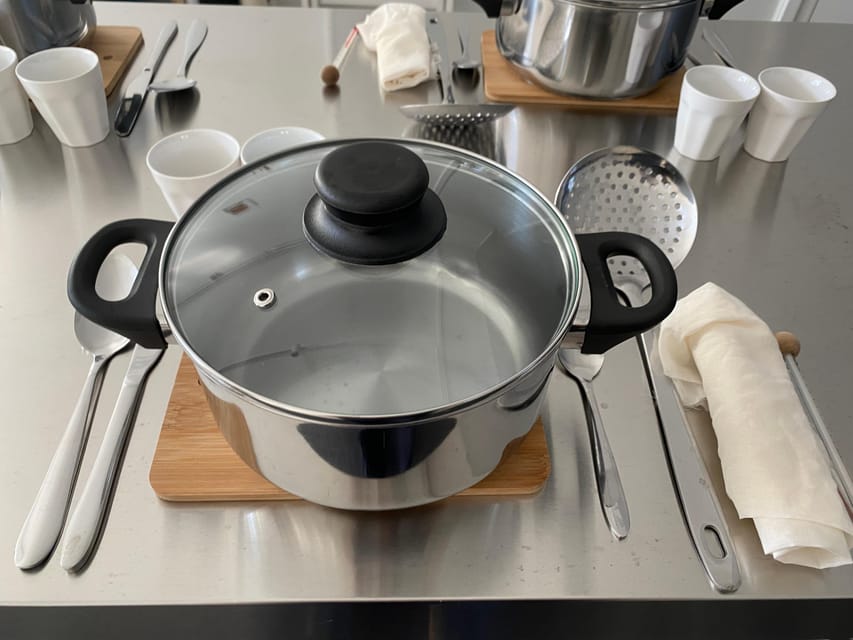
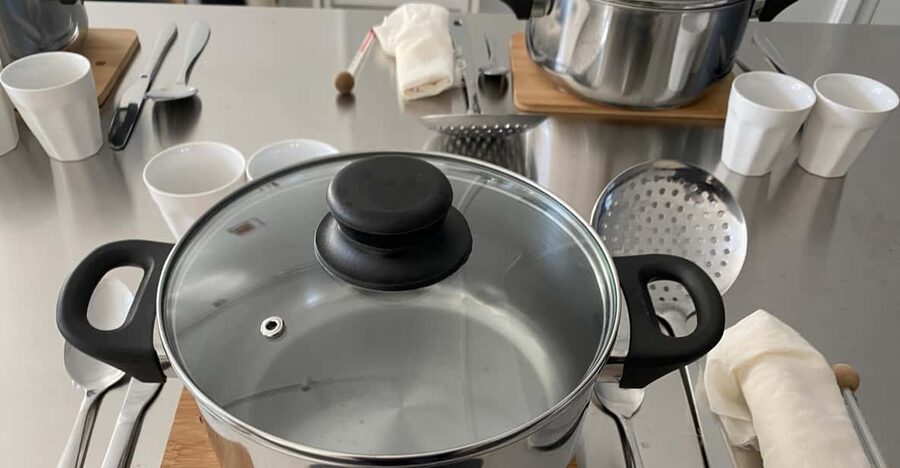
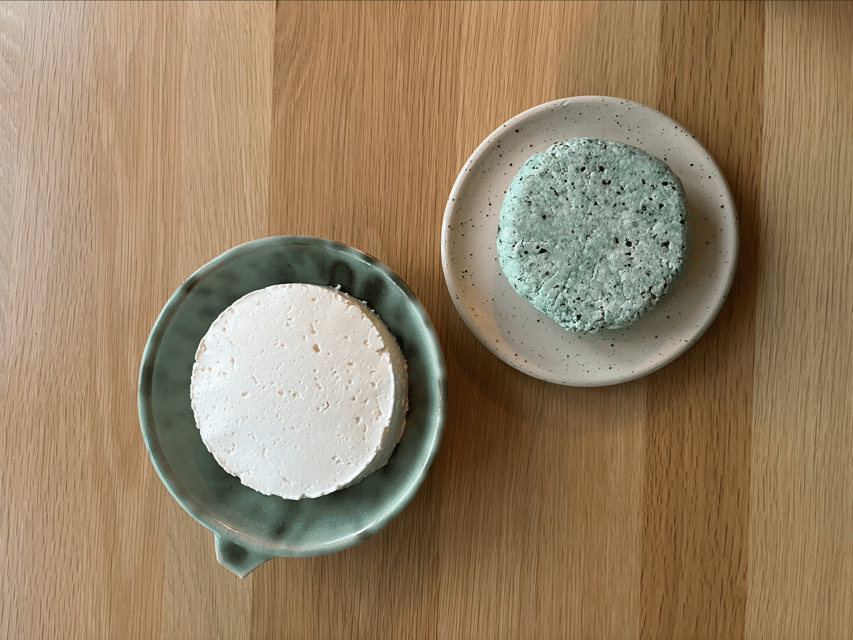
- Two milk cartons become two cheeses: You use one liter of supermarket milk for an acid-coagulated cheese and another liter for a rennet-coagulated cheese.
- You learn the foundation of aged cheese: The rennet method used here is the same basic process that can lead to more complex, aged cheeses at home.
- Small groups keep it personal: With no more than 10 participants, you get room to ask questions and work directly with the ingredients.
- Spices and herbs are part of the fun: You can experiment with flavoring your cheeses instead of making identical batches.
- The tasting includes fresh and pressed cheeses: The final tasting gives you a useful comparison between different textures and styles.
- You leave with a home cheesemaking kit: Your two cheeses, cheese cloth, rennet, calcium, and emailed recipes help you continue the craft.
Why make cheese beside De Hallen?
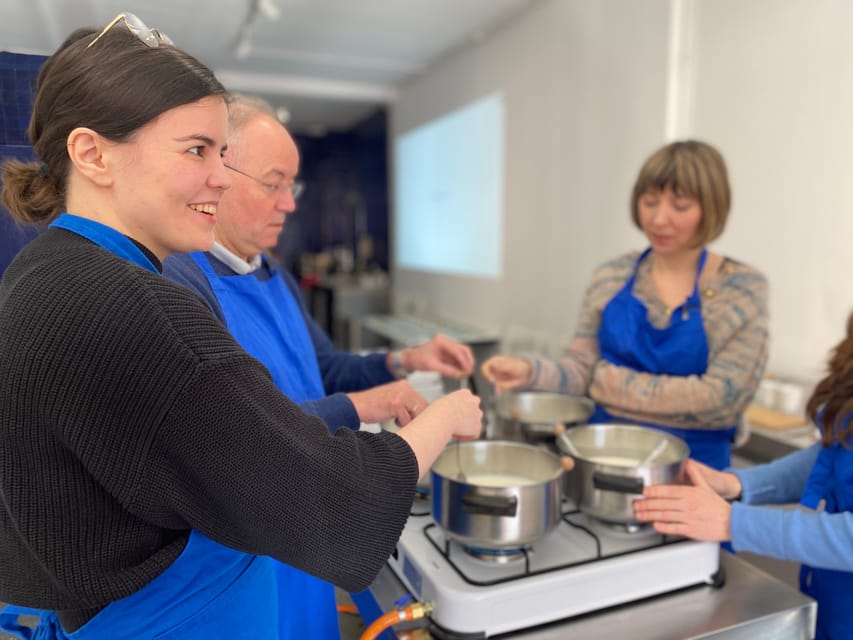
This experience takes place at De Kaasserie, next to De Hallen in Amsterdam. The setting makes the workshop easy to pair with time in this part of the city, but the real reason to come is the chance to learn a skill you can repeat after your holiday.
Many food activities give you something to eat and little else. This one gives you a process. You work with milk, watch it change, season it, and take the result with you. That makes the session feel useful long after the three hours are over.
I especially like the scale of the workshop. Ten people is enough for a social atmosphere, but small enough that the instructor can keep an eye on each batch. A larger class could turn a careful craft into a crowded demonstration. Here, you have a better chance to ask why a cheese thickens, how rennet differs from acid, or what you might try at home next.
The location is listed as beside De Hallen, while the exact meeting point can vary depending on the option you book. Check your confirmation carefully before setting out.
A few more cheese tours around Amsterdam worth a look
- Amsterdam Classic Saloon Boat Cruise with Drinks and Cheese
★ 5.0 · 31,825 reviews - Amsterdam: Classic Saloon Boat Cruise with Cheese & Wine
★ 4.6 · 27,035 reviews - Amsterdam: Guided Zaanse Schans, Windmills & Cheese Tour
★ 4.4 · 4,826 reviews
The opening presentation at De Kaasserie
The workshop begins with an introduction to De Kaasserie and an outline of what you will do. Tea is included, and the session starts with a short presentation followed by introductions. That is a sensible beginning for a hands-on class because it gives you the basic vocabulary before milk and ingredients arrive on the table.
Paula has received particularly warm praise for her teaching. Her approach is described as helpful, personable, and interesting, which matters here. Cheesemaking has unfamiliar terms and small steps that can feel confusing if they are rushed. A calm instructor can make the difference between feeling capable and simply copying instructions.
You will learn about the two basic kinds of milk coagulation:
- Acid coagulation, in which acid causes the milk proteins to separate and form curds.
- Rennet coagulation, in which rennet helps the milk set into a curd.
You do not need previous cheesemaking experience. The workshop is designed around the basic principles, so it works as an introduction rather than a lesson for experienced cheese producers.
The presentation also gives the class a shared starting point. Participants introduce themselves, which can make the small group feel more comfortable before the practical work begins. One participant described the group size as just right, a useful detail if you prefer a class that feels social but not crowded.
Making the acid-coagulated cheese
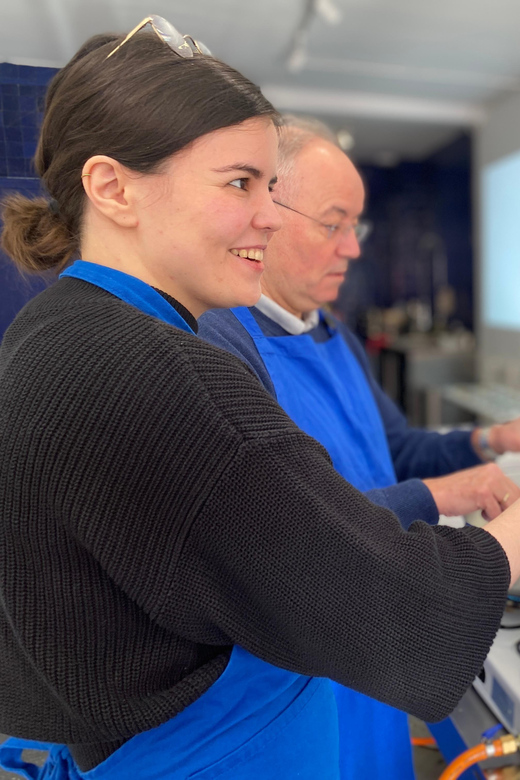
The first cheese uses one liter of supermarket milk and an acid-coagulation method. The result is a fresh cheese, not a long-aged wheel. That means you get to see a relatively quick transformation during the workshop rather than waiting weeks or months to find out if your experiment worked.
This part is valuable because it shows you the basic relationship between milk, acidity, curds, and whey. You are not just following a recipe. You are learning why the milk changes and how a simple technique can produce an edible cheese.
The class allows you to add spices and herbs. This is one of the better touches because it moves the session beyond a fixed demonstration. You can make a cheese that reflects your own taste, at least within the options provided during the class.
Keep your expectations realistic. You are making a fresh cheese, so do not expect the firm, aged texture of a supermarket Gouda or a long-matured farmhouse cheese by the end of the afternoon. The payoff is speed, clarity, and the chance to understand the first stage of the craft.
You will take this cheese home. That gives you something concrete to remember the lesson by, although the product may need suitable care after the workshop. The supplied information does not specify storage instructions or how long the cheese keeps, so ask Paula for that advice before you leave.
Making the rennet-coagulated cheese
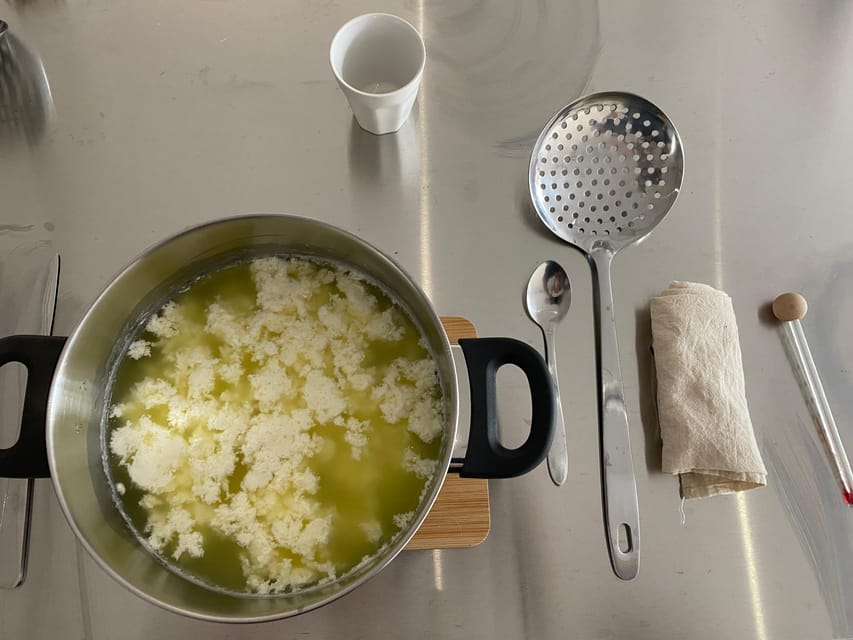
The second liter of milk becomes a rennet-coagulated cheese. This method is especially important because it introduces the process used for aged cheese. You begin with a fresh version, but the technique points toward a much wider range of cheesemaking at home.
That is the most useful educational feature of the workshop. You are not only learning how to produce two quick cheeses. You are also being shown the basic procedure that can lead to harder and longer-aged styles once you gain confidence.
Rennet and calcium are provided for you to take home. Recipes are sent by email, giving you a way to repeat the process after your visit. The class does not promise that you will become an expert in one afternoon, and it should not. What it offers is a working foundation and enough equipment to try again.
I would treat this part as an open door rather than a complete course in aging cheese. Making an aged cheese at home requires more time and more control than making a fresh cheese during a three-hour session. Still, learning the rennet method is a meaningful step for anyone who has wondered how cheese develops its structure.
The two methods also make the class easier to understand. You can compare an acid-set cheese with a rennet-set cheese while the lesson is still fresh in your mind. That side-by-side approach is more useful than hearing a long technical explanation with no practical example.
Same region, a different board:
- Zaanse Schans Windmills, Clogs and Dutch Cheese Small-Group Tour from Amsterdam
★ 4.5 · 2,369 reviews - From Amsterdam: Volendam and Zaanse Schans Tour with Cheese
★ 4.6 · 1,993 reviews - Amsterdam: Evening Candle Light Cruise With Wine & Cheese
★ 4.6 · 1,774 reviews - Countryside Bike Tour from Amsterdam: Cheese, Clogs & a Windmill
★ 5.0 · 1,485 reviews
Seasoning, shaping, and tasting your work
Spices and herbs let you experiment with flavor. The activity does not appear to be built around producing one perfect, identical cheese for every person. Instead, you get some freedom to test what you like.
That freedom is helpful for beginners. You can begin thinking about cheese as a basic method that can be adjusted, not a rigid formula. A mild fresh cheese can change character with herbs, spices, or other flavor choices offered during the class.
Once both cheeses are ready, the group finishes with a tasting of homemade cheeses. The tasting includes fresh and pressed cheeses, so you get a broader idea of what cheesemaking can produce beyond the two cheeses you make yourself.
This final portion adds context. You can compare textures and styles, ask questions, and connect the simple techniques from the workshop with other types of cheese. It also keeps the afternoon from feeling like a lesson that ends the moment your own batches are finished.
Tea with the introduction is included. Coffee and alcoholic drinks are not included, so do not count on the workshop as a wine-and-cheese event. It is better understood as a craft lesson with food tasting, rather than a full meal or a formal pairing session.
What the $135 price really buys you
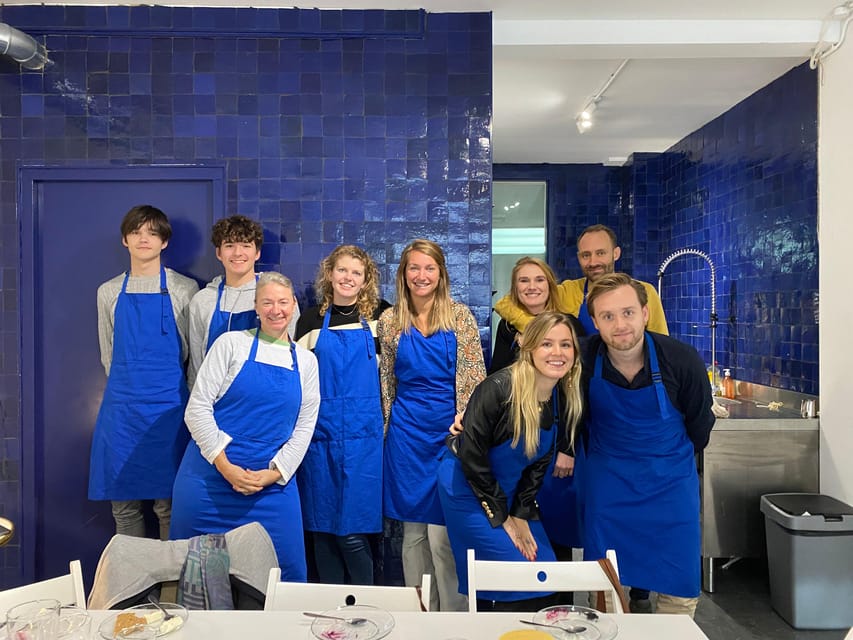
At $135 per person, this is not a budget activity. You are paying for a three-hour small-group class, an instructor, the ingredients, the tasting, and materials that continue to be useful afterward.
The take-home items improve the value:
- Two cheeses you make during the workshop
- A cheese cloth
- Rennet
- Calcium
- Recipes sent by email
The rennet and calcium are particularly important because they allow you to continue practicing. Without those supplies, the workshop could feel like a pleasant one-time activity. With them, you have a better chance of trying the method again at home.
The price makes the most sense for people who are genuinely interested in food craft. If you simply want a quick tasting near De Hallen, there are likely less expensive ways to eat cheese. If you want to learn a skill, ask questions, and leave with supplies, the cost is easier to justify.
I would also consider the group limit. A small class often gives you more direct instruction than a large culinary activity. Paula’s teaching style has been praised for being both informed and personable, and that personal attention is part of what you are paying for.
Still, do not book this expecting a full professional cheesemaking course. The workshop covers fundamental principles and two fresh cheeses. It gives you a start, not a certificate or a complete guide to every cheese style.
Who will enjoy this workshop most?
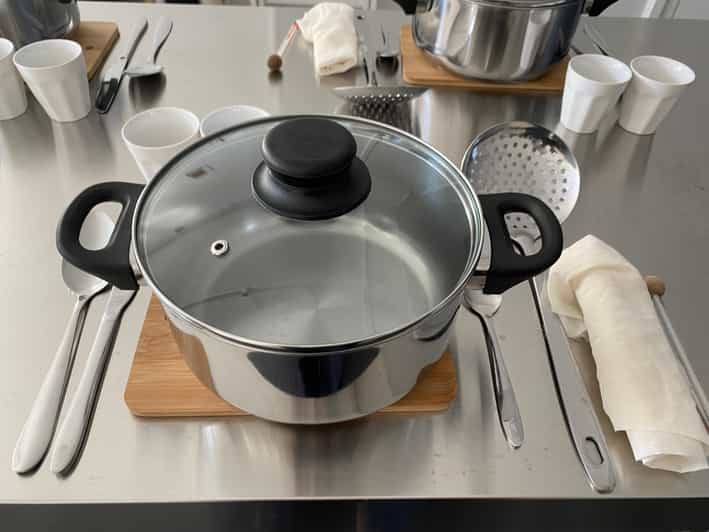
I would recommend it most strongly to curious food lovers, home cooks, and people who enjoy learning a craft while on holiday. You do not have to be an experienced cook. The useful question is whether you want to take part rather than sit back and watch.
It also suits couples, friends, and solo visitors who like small-group activities. The introductions and limited group size create a more personal setting, while the hands-on work gives everyone a shared task.
This is a good choice if you want a souvenir that is more useful than a shop purchase. Your cheese will not last forever, but the process, equipment, and recipes can stay with you. The experience may even change how you look at the cheese counter afterward.
It is less suitable for families with young children because the minimum age is 16. It is also not suitable for anyone with lactose intolerance. The supplied information does not list a dairy-free alternative, so you should not expect one.
People over 95 are also excluded by the stated requirements. That is a firm eligibility detail to check before booking.
Languages, timing, and planning your visit
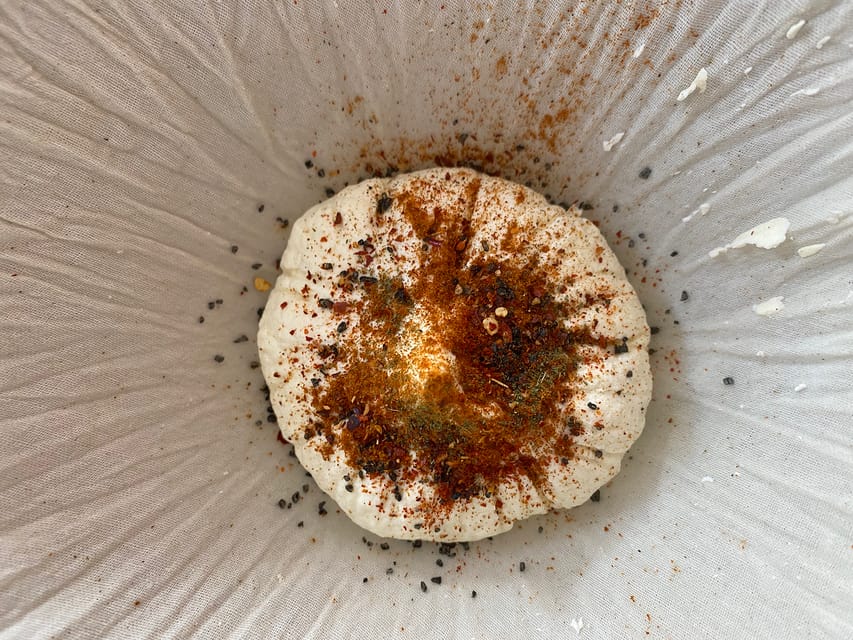
The workshop lasts three hours. Starting times vary, so you need to check availability for the date you want. Three hours is long enough to feel substantial, but it also means you should not squeeze the class between tightly timed plans.
The instructor can teach in English, Spanish, French, or Dutch. That gives you useful flexibility, especially if you are more comfortable asking food-related questions in a language other than English.
Because the meeting point can vary by booking option, confirm the exact address and arrival instructions. The activity is connected with De Kaasserie beside De Hallen, but the information provided does not give a single fixed meeting point for every option.
You can cancel up to 24 hours in advance for a full refund. A reserve-now, pay-later option is also available, which may help if you are building an Amsterdam schedule before all your plans are fixed.
The class has a maximum of 10 participants. I would book ahead if this is a priority, especially because a small group is central to the experience rather than a minor detail.
What to ask before you leave
The class sends recipes by email and provides rennet and calcium, but you should use the final minutes well. Ask how to store each cheese, how soon to eat it, and what signs show that your next batch is developing correctly.
You can also ask Paula how to move from fresh cheese to an aged recipe. The rennet method is the bridge to that next stage, but aging involves more than adding time. Clear advice at the workshop can help you avoid wasting ingredients at home.
If you want to continue, ask which recipe is the best first repeat attempt. Starting with a manageable recipe is more sensible than rushing into a long aging project. The workshop is meant to encourage further exploration, not pressure you to become a dairy scientist overnight.
Should you book the De Kaasserie cheese workshop?
Book it if you want an active, food-focused experience and the idea of making cheese at home appeals to you. The strongest reasons are the small group, Paula’s warm teaching style, the two different coagulation methods, and the useful supplies you take away.
Think twice if you are looking for a cheap tasting, a full meal, or a polished aged-cheese production tour. At $135, the value depends on your interest in learning the craft. For someone who wants a practical introduction and a new hobby to try at home, this can be a memorable three hours beside De Hallen.
FAQ
Where does the cheese workshop take place?
The workshop meets at De Kaasserie, next to De Hallen in Amsterdam. The exact meeting point may vary depending on the option booked, so check your booking details.
How long does the workshop last?
The experience lasts three hours. Starting times vary, and you should check availability for your chosen date.
How much does the workshop cost?
The listed price is $135 per person.
How many cheeses will I make?
You will make two fresh cheeses. One uses acid coagulation, and the other uses rennet coagulation.
What do I take home?
You take home your two cheeses, a cheese cloth, rennet, calcium, and recipes sent by email.
Is tasting included?
Yes. The workshop includes a tasting of homemade cheeses, including fresh and pressed cheeses.
Which languages are available?
The instructor can teach in English, Spanish, French, or Dutch.
Is the workshop suitable for children?
No. The activity is not suitable for children under 16.
Can I cancel for a refund?
Yes. You can cancel up to 24 hours in advance for a full refund. A reserve-now, pay-later option is also available.
Just added around Amsterdam
- Amsterdam: Zaanse Schans E-Bike Tour with Windmills & Cheese★ 4.5 · 12 reviews
- Zaanse Schans & Volendam Private Tour: Windmills and Cheese★ 5.0 · 5 reviews
- Admission to The Story of Edam Cheese Museum★ 4.0 · 9 reviews
- Zaanse Schans Windmills, cheese and clogs and Volendam tour from Amsterdam★ 5.0 · 14 reviews
- Amsterdam: Experience Edam, a Cheese Tasting, and a Windmill★ 4.5 · 7 reviews
- Private tour to Giethoorn, the Windmills, Cheese from Amsterdam★ 5.0 · 2 reviews
- Private Tour to Tulips, Keukenhof, Windmills & Cheese Farm★ 5.0 · 4 reviews
- Private Guided Highlights of Holland Tour with Cheese Tasting★ 5.0 · 4 reviews
Amsterdam Cheese Tours, compared.
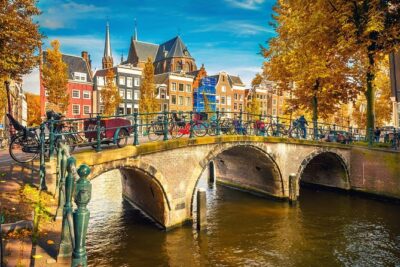
Amsterdam Classic Saloon Boat Cruise with Drinks and Cheese
Read our review →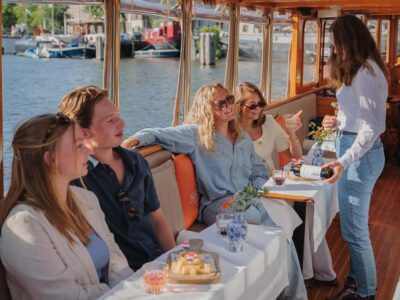
Classic Saloon Boat Cruise with Cheese & Wine
Read our review →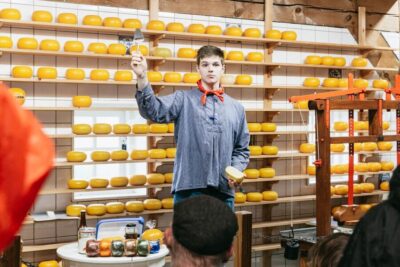
Guided Zaanse Schans, Windmills & Cheese Tour
Read our review →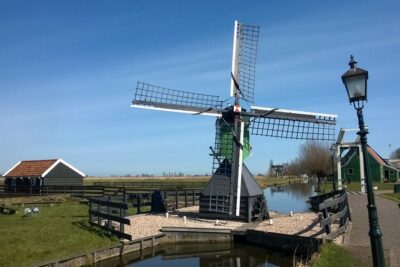
Zaanse Schans Windmills, Clogs and Dutch Cheese Small-Group Tour from Amsterdam
Read our review →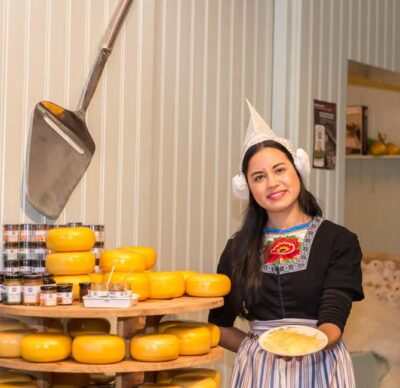

Evening Candle Light Cruise With Wine & Cheese
Read our review →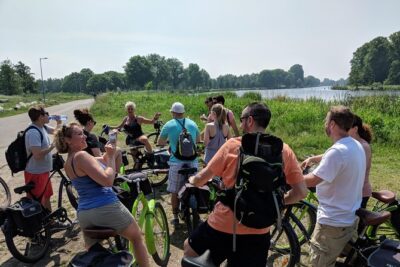
Countryside Bike Tour from Amsterdam: Cheese, Clogs & a Windmill
Read our review →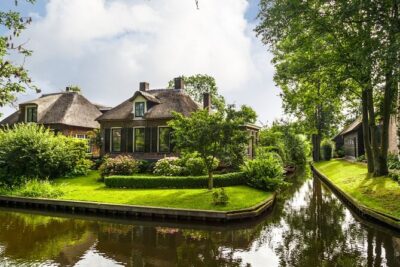
Giethoorn Tour Scenic Cruise, Cheese & Free Time
Read our review →Browse the lists this tour appears in