
REVIEW · CHEESE MAKING WORKSHOPS
Cheese making workshop next to De Hallen, heart of Amsterdam
Make cheese, then eat the proof. This small Amsterdam workshop gives you hands-on practice with two fresh cheeses, one made with rennet and one with acid. I like the maximum group of eight, which keeps the class personal, and I like that you leave with your own cheese rather than only a few notes.
You also receive basic tools and recipes by email, giving the class value beyond its three-hour timetable. The main consideration is the price, about $144.49 per person, which is a serious spend for a short food activity, especially if you are not sure you want to continue making cheese at home.
Key points to know before booking
- Two different cheese methods: You make one cheese coagulated with rennet and another coagulated with acid.
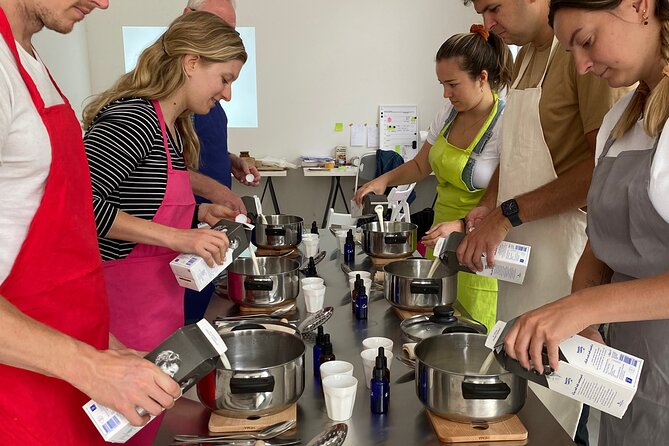
- A true hands-on class: Ingredients and materials are supplied, and you make the cheese yourself rather than simply watching a demonstration.
- Small group setting: The class accepts no more than eight people, helping the teacher give direct guidance.
- Creative finishing: You can experiment with herbs and colors in the acid-coagulated cheese.
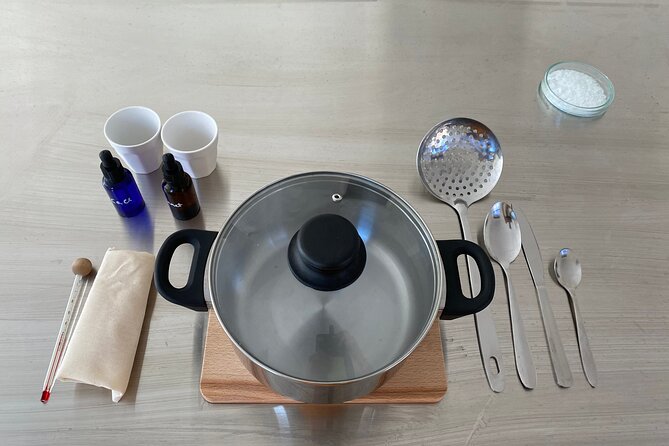
- Useful take-home extras: Your two cheeses, basic tools, and recipes come with you after the class.
- Central Amsterdam setting: The meeting point is De Kaasserie, Bellamystraat 8, near De Hallen and the Ten Katemarkt.
Why this Amsterdam cheese class feels different
Amsterdam has no shortage of food tastings, but tasting is often the easy part. This experience asks you to work with the ingredients, understand the process, and make something you can eat later. That shift gives the afternoon more purpose.
You spend about three hours in a food design studio at De Kaasserie, located at Bellamystraat 8 in the De Hallen area. The setting is described as intimate, calm, and peaceful, with space for a maximum of eight people. That limit matters. Cheese making has small steps that can be easy to miss in a large class, so a compact group gives you a better chance to ask questions and get help.
I especially like the balance between instruction and freedom. You first learn the basic method, then get a chance to experiment with herbs and colors. This makes the class suitable for a beginner who wants clear guidance, but it also gives food lovers room to play.
The experience is offered in English. That makes it practical for an international audience, and the subject itself is fairly easy to follow because you are watching, touching, stirring, and shaping as you learn.
More Cheese Making Workshops in Amsterdam:
- Private Farmhouse Cheesemaking Workshop
★ 3.5 · 2 reviews - Paris Cheesemaking Workshop including Wine and Cheese Tasting with an Expert
★ 5.0 · 141 reviews - Dijon: Cheese and Burgundy Wine Tasting Workshop
★ 4.8 · 122 reviews
Starting at De Kaasserie beside De Hallen
Your meeting point is De Kaasserie, Bellamystraat 8, 1053 BL Amsterdam. The workshop takes place near De Hallen, one of the city’s popular food and cultural areas, so the location works well if you want to pair the class with other plans in Amsterdam.
The class begins inside the food design studio. You do not need to bring ingredients or special equipment. The materials are included, which removes one of the usual worries about a practical cooking lesson.
That said, you should arrive ready to participate. This is not a quick demonstration followed by a sample. You will make the cheeses yourself, follow the stages of each method, and take part in the finishing work. Wear something comfortable and practical, although no special clothing requirements are provided.
The setting earns praise for being calm and friendly. The teacher is also the owner, and the available feedback describes her as patient and engaging. Those qualities matter in a class where the pace may need to adjust to people with very different cooking backgrounds.
Making two cheeses with two different methods
The most useful part of the class is the comparison between rennet and acid coagulation. You make two kinds of fresh cheese, each formed in a different way. Even without advanced food science, this gives you a clear introduction to the basic choices involved in cheesemaking.
The first cheese is coagulated with rennet. Rennet is used to help milk set into curds. The class lets you see how one method produces a cheese, rather than only hearing about it in theory.
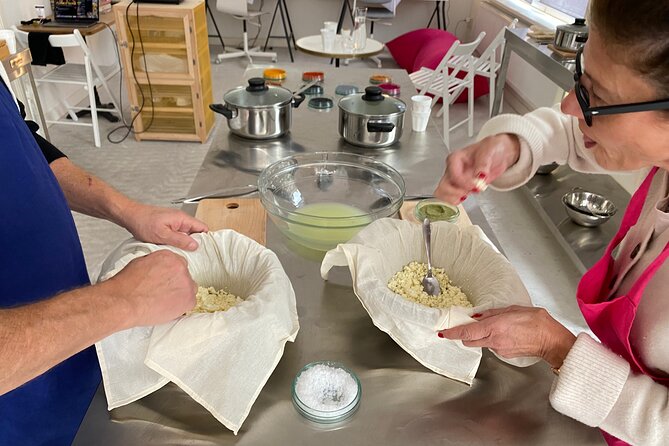
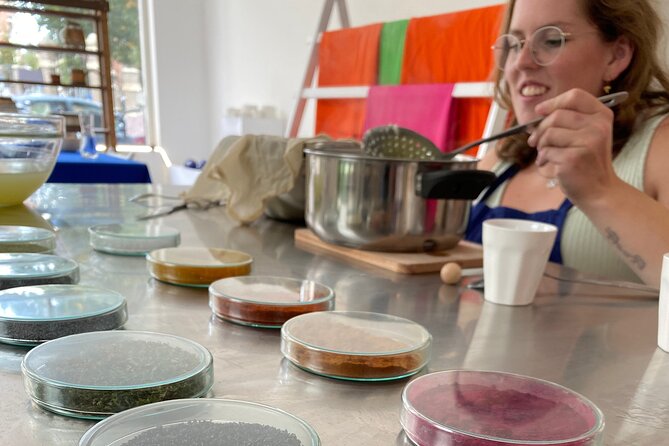
The second cheese is coagulated with acid. Once it is ready, you can season and color it with herbs and other additions. This is the more playful part of the workshop, since you are encouraged to try different combinations instead of copying one fixed recipe.
For you, the benefit is practical knowledge. You are not just memorizing a recipe. You are learning that different methods affect the way cheese forms and that simple additions can change its flavor and appearance.
The class is beginner-friendly, so you do not need prior cheesemaking experience. The teacher guides the process, explains what you are doing, and helps keep the work manageable. The strongest praise focuses on this hands-on format, along with the patient teaching and relaxed mood.
Keep your expectations sensible. You are making fresh cheese, not aging a wheel for months in a cellar. The activity introduces a craft and gives you a starting point for more experiments at home. It is best for someone who enjoys learning a process, not someone looking for a long technical course in professional cheesemaking.
Herbs, colors, and room to experiment
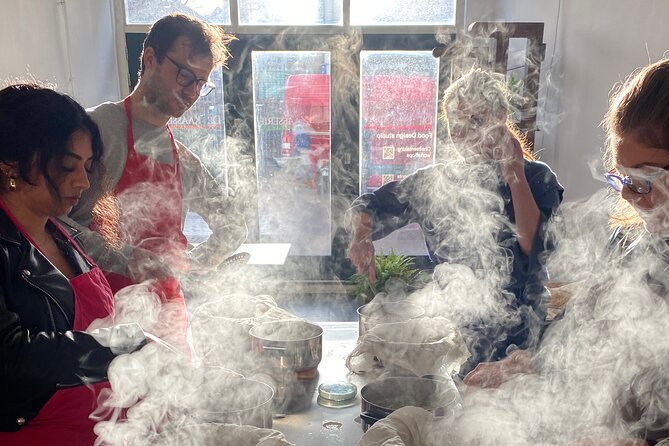
After the basic work, the acid-coagulated cheese becomes your creative outlet. You can experiment with herbs and colors, which turns a simple food lesson into something more personal.
This is a useful feature for couples, friends, and families with older children, though the supplied information does not specify a minimum age. Everyone can work from the same basic method while making a slightly different final cheese.
I like this part because it gives the class a sense of discovery. You learn the structure first, then make choices. The result does not have to look or taste exactly like the teacher’s version.
The activity also helps explain why a small group is valuable. When only a few people are present, you can likely spend more time discussing combinations and asking how to repeat the process at home. The group is capped at eight, but the class still has a social side. One of the strongest comments describes it as a good way to meet other people while learning a new craft.
Do not expect a full cooking market tour or a long discussion of Amsterdam food culture. The focus stays on cheese making. If you want local history or a broad food walk, you should choose a different activity or add one separately.
A few more cheese tours around Amsterdam worth a look
- Amsterdam Classic Saloon Boat Cruise with Drinks and Cheese
★ 5.0 · 31,825 reviews - Amsterdam: Classic Saloon Boat Cruise with Cheese & Wine
★ 4.6 · 27,035 reviews - Amsterdam: Guided Zaanse Schans, Windmills & Cheese Tour
★ 4.4 · 4,826 reviews - Zaanse Schans Windmills, Clogs and Dutch Cheese Small-Group Tour from Amsterdam
★ 4.5 · 2,369 reviews
The tasting that closes the workshop
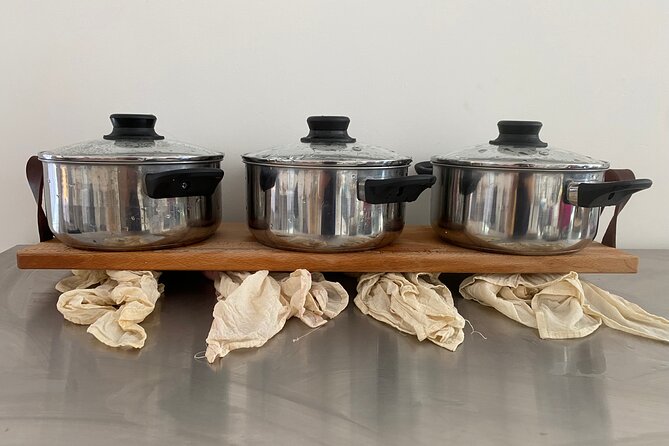
The final tasting gives the class a pleasant finish. You sample homemade cheeses made by the teacher, served with spices and herbs, and enjoy a drink.
This part lets you compare your own work with other fresh cheeses. It also gives the teacher a chance to show how seasoning changes the character of the cheese. The tasting is not simply a snack at the end. It helps connect the technique to the food you are eating.
The menu is modest, but that is appropriate for the format. The main food element is homemade cheese tasting. There is no promise of a full meal, so you should not book this as a substitute for lunch or dinner.
Still, three hours of making, tasting, and talking can make the experience feel substantial. You get a social pause after the active work, and the drink helps mark the end of the class without adding a long list of unrelated dishes.
The relaxed atmosphere is one of the most praised features. The class has been described as fun, informative, and peaceful, with plenty of laughter. That combination may suit you if you want an activity that is social without feeling noisy or rushed.
What you take home after three hours
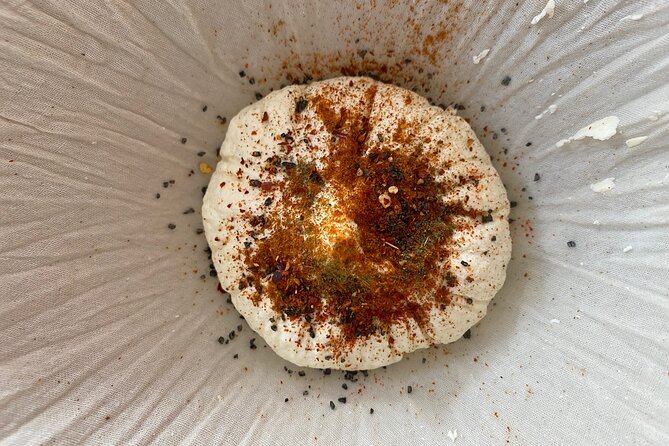
You leave with both cheeses you made during the workshop. This is one of the strongest reasons to choose the class over a standard tasting.
You also receive basic tools and recipes by email. The tools give you a practical start, while the recipes help you repeat the process after returning home. The email format is useful for an international visitor because you do not need to protect a paper handout in your luggage.
The take-home materials add real value to the $144.49 price. If you only wanted to eat cheese in Amsterdam, this would be an expensive tasting. If you want to learn a craft and continue using it, the cost becomes easier to justify.
The word basic matters. You should not expect a complete cheesemaking setup or every tool needed for advanced production. You receive enough to continue experimenting, but further work at home may require extra ingredients or equipment. The precise contents of the tool package are not specified, so do not book expecting a large kit.
The cheeses themselves are also fresh creations, not long-lasting souvenirs. Plan to enjoy them soon after the class and handle them as instructed by the teacher.
The Ten Katemarkt stop and what it means
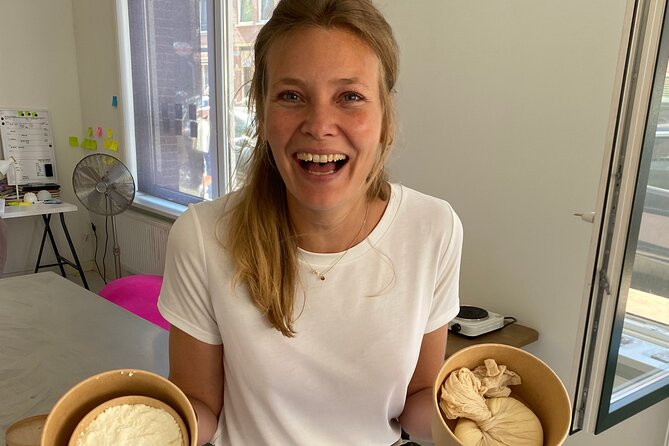
The itinerary includes De Hallen Amsterdam and the Ten Katemarkt. The class starts and ends at De Kaasserie, so the activity does not finish at a separate location.
The Ten Katemarkt gives the outing a local neighborhood setting beyond the studio, but no detailed market activity is provided. You should not assume that the experience includes a guided market tour, food shopping, or tastings from market stalls.
That lack of detail is worth noting when planning your day. The location is convenient for combining the workshop with time around De Hallen and the market, but the cheese making remains the main event.
If you are staying elsewhere in Amsterdam, the meeting point is near public transportation. The experience uses a mobile ticket, so you can keep the booking confirmation on your phone.
Is $144.49 a fair price?
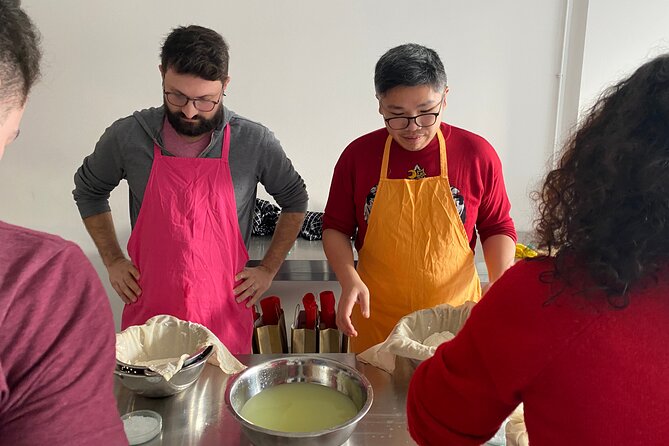
At roughly $144.49 per person, this is not a bargain activity. The price is easier to understand when you count what is included: about three hours of instruction, all ingredients and materials, two cheeses to take home, basic tools, recipes by email, a tasting, and a drink.
The small group also affects the value. With no more than eight people, the class offers more personal attention than a large commercial workshop. You are paying for access to a teacher, not only for ingredients.
I would consider it good value for a serious food lover, home cook, or curious visitor who wants to keep making cheese. The recipes and tools give you a way to continue after Amsterdam, which makes the experience more than a one-time souvenir.
For a casual sightseeing budget, the price may feel high. You could buy excellent cheese in Amsterdam for far less. This class makes sense only if the process interests you as much as the food.
The class is also a newer offering, so there is not yet a large body of public feedback. The available ratings are very strong, with a 5.0 score from 10 reviews and 100 percent recommending it. That is encouraging, but the small number means you should treat the feedback as an early signal rather than a long record of consistency.
Who should book this workshop?
You should consider this class if you enjoy cooking, food science, crafts, or small-group activities. It suits people who like leaving an experience with something they made, rather than only taking photographs.
It is also a good choice for a couple or a pair of friends. The work gives you something to do together, while the tasting and group setting create room for conversation.
Solo visitors may also find it appealing. The group size encourages contact with other people, and the activity gives you an easy subject to talk about from the start.
The class is less suitable if you want a broad Amsterdam tour, a full meal, or a low-cost activity. It is also not the right choice if you dislike practical work or prefer to sit back while an expert performs the task.
Service animals are allowed, and the meeting point is near public transportation. No other accessibility details are provided, so if you have specific mobility or equipment needs, contact De Kaasserie before booking.
You can cancel for a full refund if you do so at least 24 hours before the local start time. Changes or cancellations inside that window are not refunded, and the class requires a minimum number of people. If the provider cancels because that minimum is not met, you are offered another date or experience, or a full refund.
Should you book De Kaasserie’s cheese class?
Book it if you want a calm, personal, hands-on food experience and like the idea of continuing the craft at home. The two cheesemaking methods, creative seasoning, take-home cheeses, tools, and recipes give the workshop more substance than a simple tasting.
Skip it if $144.49 feels too high for a three-hour activity or if you mainly want to explore Amsterdam’s food markets. The Ten Katemarkt is part of the stated route, but the workshop is not presented as a full market tour.
For the right person, this is a memorable way to spend part of an Amsterdam day. You learn a practical skill, meet a small group, taste homemade cheese, and leave with proof that you made it yourself.
FAQ
Where does the cheese making workshop begin?
The workshop begins at De Kaasserie, Bellamystraat 8, 1053 BL Amsterdam, Netherlands, next to the De Hallen area.
How long does the cheese making class last?
The experience lasts approximately three hours.
How many people can join the workshop?
The class has a maximum of eight participants.
What types of cheese will I make?
You will make two types of fresh cheese. One is coagulated with rennet, and the other is coagulated with acid.
What is included in the price?
Ingredients and materials are included. You can take home both cheeses and basic tools, and you receive recipes by email. The experience also includes a homemade cheese tasting and a drink.
Can I cancel the booking for a refund?
Yes. You can cancel at least 24 hours before the local start time for a full refund. Cancellations or changes made less than 24 hours before the start time are not refunded or accepted.
Just added around Amsterdam
- Amsterdam: Zaanse Schans E-Bike Tour with Windmills & Cheese★ 4.5 · 12 reviews
- Zaanse Schans & Volendam Private Tour: Windmills and Cheese★ 5.0 · 5 reviews
- Admission to The Story of Edam Cheese Museum★ 4.0 · 9 reviews
- Zaanse Schans Windmills, cheese and clogs and Volendam tour from Amsterdam★ 5.0 · 14 reviews
- Amsterdam: Experience Edam, a Cheese Tasting, and a Windmill★ 4.5 · 7 reviews
- Private tour to Giethoorn, the Windmills, Cheese from Amsterdam★ 5.0 · 2 reviews
- Private Tour to Tulips, Keukenhof, Windmills & Cheese Farm★ 5.0 · 4 reviews
- Private Guided Highlights of Holland Tour with Cheese Tasting★ 5.0 · 4 reviews
Cheese Making Workshops, compared.
Paris Cheesemaking Workshop including Wine and Cheese Tasting with an Expert
Read our review →
Troodos Mountains Halloumi Making: All Inclusive Workshop & Tour
Read our review →
Central Madrid: Sangría Workshop & Tasting with Local Cheese
Read our review →Troodos Mountains Halloumi Making: All Inclusive Workshop & Tour
Read our review →Browse the lists this tour appears in