REVIEW · MOZZARELLA AND BUFFALO CHEESE TOURS
Florence: Mozzarella Making Workshop with Wine Tasting
Fresh cheese makes a fine Florence memory. This two-hour workshop gives you more than a tasting: you work with curds, shape mozzarella, prepare burrata and stracciatella, then eat your results with Tuscan wine. I especially like the hands-on format and the warm, family-kitchen feel created by instructors such as Jess, Alyssa, and Chef Vincenzo. The main drawback is simple: this is not a good fit for vegans, people with lactose intolerance, or children under eight.
I also like that the food does not stop at the cheese you make. You begin with Prosecco, enjoy seasonal dishes and creative pairings, and finish with a recipe booklet for home use. Come hungry, since the generous food and wine can turn a short class into a very filling meal.
Key points at a glance
- Three cheeses in two hours: Learn to shape mozzarella, make burrata, and prepare silky stracciatella.
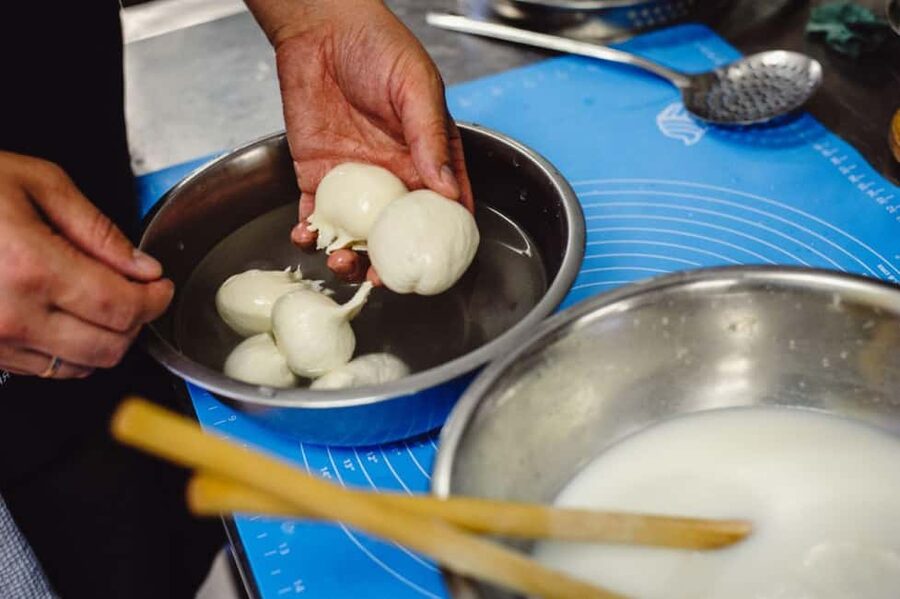
- A real hands-on class: Make bocconcini, nodini, and treccine instead of simply watching a demonstration.
- Food beyond your own cheese: Taste seasonal dishes and pairings such as stracciatella with bottarga and lemon zest.
- Tuscan wine tasting: Sample both organic and conventional wines and compare what you like.
- Friendly small-group setting: The instructors give personal help while keeping the atmosphere casual and music-filled.
- Good value for food lovers: At $74 per person, the price includes instruction, Prosecco, wine, food, cheese, and a recipe booklet.
What the Florence cheese workshop is really like
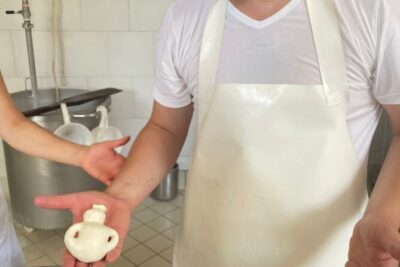
The experience takes place in Florence, at Simbiosi Farm. You meet the chef in front of the farm, then settle into a cozy setting with music, food, and the tools for the class.
The mood is relaxed rather than formal. You are not expected to sit quietly and take notes while someone else does all the work. The point is to handle the cheese yourself, ask questions, and enjoy the slightly messy process. That delicious chaos is part of the fun.
Instruction is offered in English and Italian. The professional chef leads the class, and past sessions have included instructors named Jess, Jessie, Alyssa, and Chef Vincenzo. The exact teacher may vary, but the format remains focused on practical cheese making and local food traditions.
The small-group setup matters. Cheese curds can be soft, warm, and tricky to shape, so having someone nearby to correct your technique is far more useful than following a recipe alone. You get individual attention without losing the social feel of cooking with a group.
More Cheese Making Workshops in Italy
- Florence: Mozzarella Cheese Making with Wine and food Tastings
★ 5.0 · 37 reviews - Sorrento Half-Day Farm Experience: Pizza, Cheese Making and Wine
★ 5.0 · 17 reviews - Dolianova: visit and workshop in a cheese factory
★ 4.8 · 11 reviews
Starting with Prosecco and a relaxed welcome
Your first taste is a cold glass of Prosecco. It sets an easy tone and gives you a chance to meet the chef and the other people in the class before the cheese work begins.
This is a useful part of the experience, not just a drink added to the price. The class involves touching, shaping, tasting, and talking, so the welcome drink helps the group relax quickly. It also makes the workshop feel more like a shared Italian meal than a technical cooking lesson.
You should still pace yourself. The Prosecco is followed by wine, food, and plenty of cheese, and several dishes may be served during the session. If you arrive after a large lunch, you may not appreciate the best part of the class as much as someone who arrives hungry.
Shaping mozzarella into bocconcini, nodini, and treccine
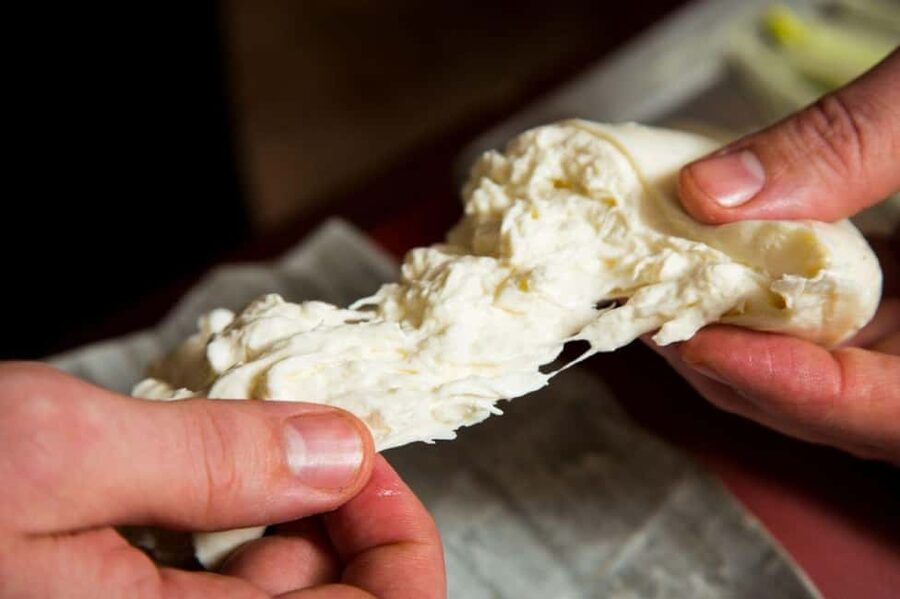
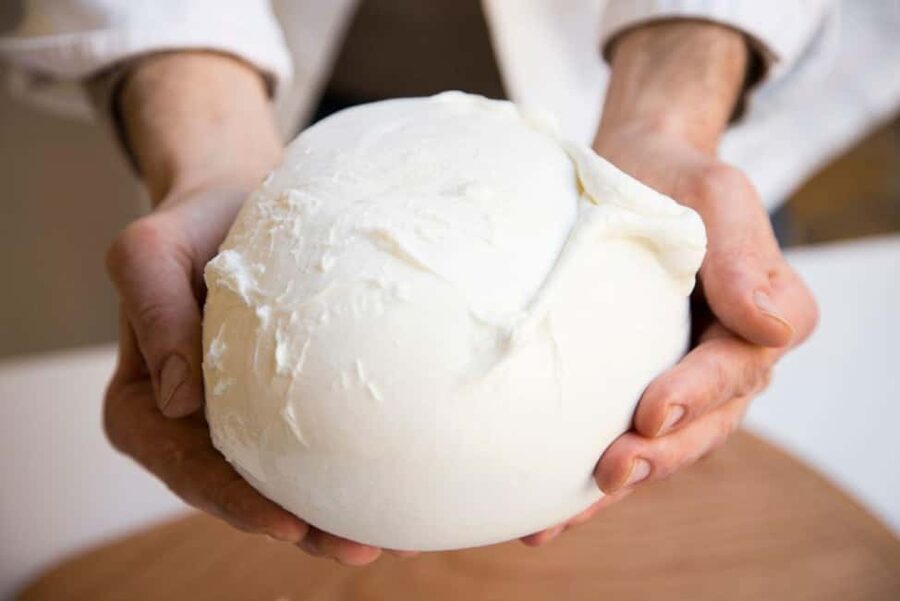
The central lesson is fresh mozzarella. The chef shows you how to turn prepared curds into different shapes, then gives you a chance to repeat the process yourself.
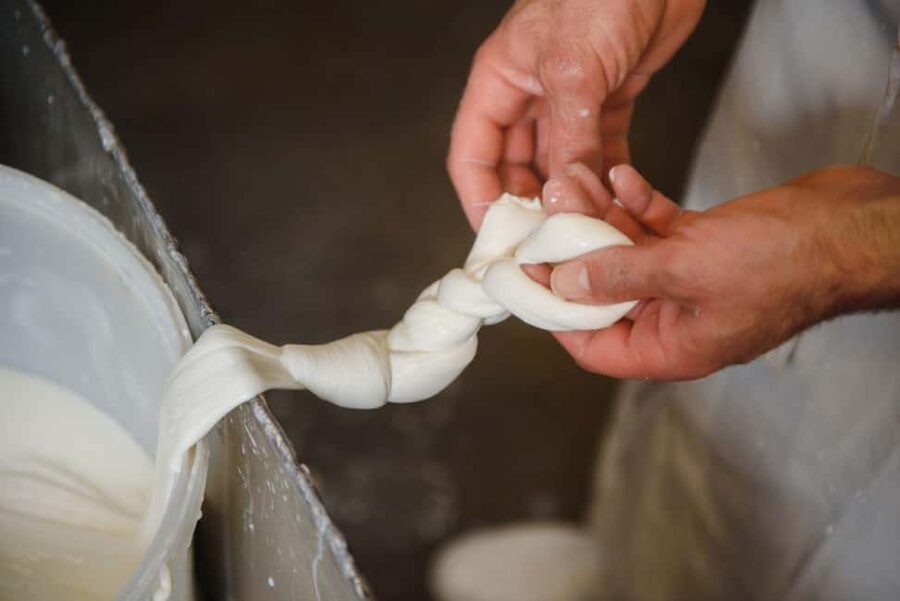
You may make small bocconcini, twist nodini, and braid treccine. These names describe different forms of fresh mozzarella, and shaping them helps you understand how flexible the cheese can be. It is not just one white ball on a plate.
The work is practical and tactile. You learn how to handle the curd and shape it into smooth pieces, knots, and braids. The chef guides you step by step, which is especially helpful if your first piece looks more like a lumpy science project than a neat bocconcino.
That is also why this workshop works well for people who enjoy learning by doing. You will not simply hear how mozzarella is made. You will feel the texture change as you work with it, then taste the difference between fresh cheese and the packaged version many people know at home.
Several participants have singled out the clear demonstrations and patient instruction. Jess, in particular, has been praised for explaining the process in an approachable way, while Alyssa has been noted for her enthusiasm for traditional cheese production and local wine.
Burrata and stracciatella, the luxurious part of class
After mozzarella, the class moves to burrata and stracciatella. Burrata has a firm outer shell with a soft, creamy center. Stracciatella is the loose, silky filling associated with the inside of burrata, made from cheese strands and cream.
Making these cheeses gives you a better sense of why they are treated as special ingredients in Italian cooking. They are delicate, rich, and best eaten fresh. You get to see how the ingredients fit together rather than encountering burrata only as a finished item on a restaurant plate.
The stracciatella is especially fun because it can be served in several ways. One suggested pairing combines it with bottarga and lemon zest, bringing salty, savory, and bright flavors to the creamy cheese. That combination may be more adventurous than a standard caprese salad, but it shows how fresh cheese can work in creative dishes.
You should expect a generous amount of dairy here. This is not a light tasting built around a tiny sample. The focus is pleasure, texture, and abundance, so the class suits people who genuinely enjoy cheese.
More Wine and Cheese Tastings in Italy
- Florence Food Tour of 10+ Authentic Tastings with Cheeses & Wines
★ 5.0 · 155 reviews - Exclusive Emilia-Romagna,Parmigiano, Prosciutto, Balsamic, Wine
★ 5.0 · 38 reviews - Wine & cheese Lover’s Paradise in hart of Florence
★ 5.0 · 21 reviews - Emila-Romagna: Parmigiano, Prosciutto, Wine & Balsamic Tour
★ 4.9 · 18 reviews
Eating what you make with seasonal dishes
One of the strongest parts of the experience is that your cheese becomes part of the meal. You taste the mozzarella, burrata, and stracciatella you have just prepared instead of packing everything away and waiting until later.
The workshop also includes seasonal dishes and deli-style foods. Depending on the session, you might find creations involving caprese, meatballs, truffle oil, or other fresh products from the farm. The exact menu can change, so you should think of these as examples rather than a fixed promise.
That changing menu is a plus for repeat visits and for anyone who likes food that follows the season. It also keeps the workshop from feeling like a standard cheese class with a predictable plate at the end.
The meal is substantial enough that you should treat this as a food experience, not a quick lesson followed by a small nibble. One useful tip is to arrive hungry. You may eat your own cheese, taste prepared dishes, and still have extra cheese to bring back to your accommodation.
Comparing organic and conventional Tuscan wines
The wine portion adds another layer to the class. You taste a selection of Tuscan wines, including both organic and conventional bottles, alongside the fresh cheese and prepared dishes.
This is not presented as a serious wine certification course. Instead, it gives you a friendly way to compare styles and decide what you enjoy. You can sip, swirl, and discuss your favorite without feeling that you need expert vocabulary.
The pairings also show why wine and cheese work so well together. Creamy cheese can soften a wine, while salt, acidity, and lemon can change how the wine tastes. The exercise is simple, but it makes the meal more thoughtful.
If you prefer not to drink much, keep in mind that wine is a meaningful part of the experience, not a minor extra. The welcome Prosecco and several tastings add to the overall food-and-drink focus.
The atmosphere: music, warmth, and a little mess
The room is described as cozy and music-filled, with a casual atmosphere that feels closer to a welcoming family restaurant than a strict culinary school.
That tone appears often in the experience. The instructors are praised for being friendly, warm, and easy to approach. Some sessions have included two instructors working together, which can make it easier to get help while the class keeps moving.
This warmth is particularly useful if you are traveling with family or friends who do not usually take cooking classes. Children under eight are not permitted, but older children may enjoy the shaping and tasting if they already like dairy foods. One family with two young children found the host especially welcoming, though the activity rules still exclude children under eight.
The informal setting does mean that the experience may feel less polished than a high-end culinary school. If you want precise measurements, a quiet room, and a formal chef demonstration, this may not be your ideal class. If you like conversation, hands-on work, and a bit of flour-free culinary disorder, it should suit you well.
Is $74 a fair price?
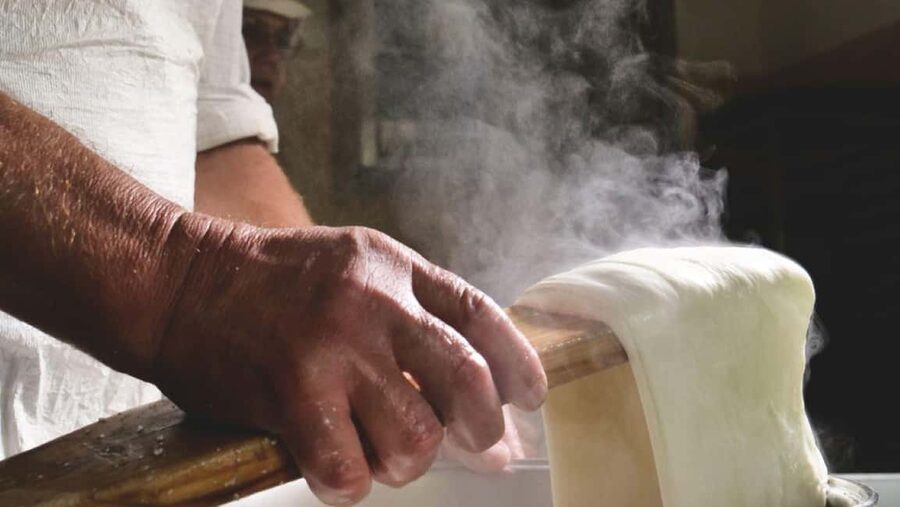
At $74 per person, the price is reasonable for the amount included. You receive a two-hour workshop, professional instruction, a welcome glass of Prosecco, your own cheese creations, seasonal food, multiple wine tastings, and a recipe booklet.
The value improves if you see the class as both lunch and an activity. A cheese lesson alone might not justify the price for every budget, but instruction plus a generous meal and wine makes the cost easier to defend.
The experience also gives you something that a restaurant meal cannot: a skill you can try again at home. The recipe booklet is a small but useful extra, especially if you want to recreate mozzarella, burrata, or stracciatella after returning home.
There are limits. You are paying for an enjoyable introduction, not a professional qualification. You may learn the basic process, but mastering cheese making at home will require practice, suitable ingredients, and the right equipment.
For a Florence itinerary packed with museums and churches, this is also a pleasant change of pace. You spend two hours making something, eating it, and talking with people rather than moving through another historic interior.
Who should book this cheese-making class?
I would recommend it most strongly to:
- Couples looking for a food-centered activity
- Families with children aged eight or older
- Friends who enjoy cooking and wine
- Visitors who want a social experience rather than a standard sightseeing tour
- Vegetarians who eat dairy
- Anyone curious about traditional Italian cheese production
It is also a good choice for people who are tired of passive tastings. You will handle the ingredients and shape the cheese yourself.
I would skip it if you are vegan, lactose intolerant, or under eight years old. It is also a poor match if you dislike dairy, rarely drink alcohol, or want a quiet, highly structured lesson.
Vegetarian and gluten-free friendly options are available. You should still mention your needs when booking so the food can be handled appropriately. The activity does not allow pets or smoking.
Practical details before you go
The workshop lasts two hours, but starting times can vary, so check availability before planning the rest of your day. You meet the chef in front of Simbiosi Farm, which makes the meeting point clear, but you should allow enough time to reach it without rushing.
The class is offered in English and Italian. If you are comfortable with either language, you should be able to follow the instruction. The process is shown step by step, and the small group allows you to ask for help.
You can cancel up to 24 hours in advance for a full refund, and the reserve-now, pay-later option can help if your Florence schedule is still changing. Those terms are useful when you are fitting the class around museum reservations, train trips, or weather-dependent plans.
Bring an appetite and wear something you do not mind using in a hands-on food setting. The provided information does not specify clothing requirements, so I would simply choose practical clothes and avoid arriving immediately after a large meal.
Final verdict: should you book it?
Book this workshop if you want Florence through food, conversation, and your own hands. The best parts are the clear cheese instruction, the chance to shape several types of mozzarella, and the generous meal with Tuscan wines.
The experience is especially good value because it combines a lesson and a full tasting session. You leave with a recipe booklet, new techniques, and the memory of eating cheese you helped make.
Skip it only if dairy or alcohol is a problem, or if you prefer formal cooking instruction over a lively group setting. For most cheese-loving visitors, $74 buys a warm, filling, and genuinely participatory afternoon or evening in Florence.
FAQ
How long does the mozzarella-making workshop last?
The experience lasts two hours.
How much does the workshop cost?
The price is $74 per person.
Where is the meeting point?
Meet the chef in front of Simbiosi Farm in Florence.
What cheeses will I make?
You will learn to make mozzarella, burrata, and stracciatella. The mozzarella lesson includes shapes such as bocconcini, nodini, and treccine.
Is wine included?
Yes. The experience includes a welcome glass of Prosecco and a tasting of selected Tuscan wines, including organic and conventional wines.
Do I eat the cheese I make?
Yes. You taste your handmade cheeses with wine pairings and seasonal dishes.
Is food included beyond the cheese?
Yes. The experience includes a seasonal dish and creative food pairings. Examples include stracciatella with bottarga and lemon zest.
Is the workshop available in English?
Yes. The instructor languages are English and Italian.
Can children attend?
Children under eight are not permitted. The activity may suit older children who enjoy hands-on cooking and dairy foods.
Is the workshop suitable for vegans or people with lactose intolerance?
No. The activity is not suitable for vegans or people with lactose intolerance. Vegetarian and gluten-free options are available.
More Cheese Making Workshops in Florence
- Paris Cheesemaking Workshop including Wine and Cheese Tasting with an Expert
★ 5.0 · 141 reviews - Dijon: Cheese and Burgundy Wine Tasting Workshop
★ 4.8 · 122 reviews - Fuerteventura: Artisan Goat’s Cheese Making at Local Farm
★ 4.9 · 112 reviews - Troodos Mountains Halloumi Making: All Inclusive Workshop & Tour
★ 5.0 · 109 reviews
More Mozzarella and Buffalo Cheese Tours in Florence
- Cooking class with Pasta, mozzarella and Tiramisu with wine
★ 5.0 · 549 reviews - Amalfi: Make Fresh Pasta, Mozzarella & Tiramisù with wine
★ 5.0 · 503 reviews - Amalfi: Prepare fresh pasta, mozzarella and tiramisu
★ 5.0 · 315 reviews - Amalfi: Make Fresh Pasta, Mozzarella, & Tiramisù with Wine
★ 5.0 · 305 reviews
Just added around Florence
- Wine Tasting with Cured Meats & Cheeses in Florence★ 5.0 · 2 reviews
- Wines, Cheeses & Bruschettas Tasting in Chianti (Tour at the Winery included)★ 5.0 · 13 reviews
- Wine & cheese Lover’s Paradise in hart of Florence★ 5.0 · 21 reviews
- Tuscany Private Tour with Wine and Cheese Tasting from Florence★ 4.5 · 17 reviews
- Florence Private Food Tour of 10+Tastings with Cheeses & Wines★ 5.0 · 15 reviews
- Journey through Italian Cheese★ 5.0 · 5 reviews
- Italian Charcuterie & Cheese Board with Wine or Beer Pairing★ 5.0 · 12 reviews
- Semi Private tasting and Cheese-making Class in Florence★ 5.0 · 8 reviews
Mozzarella and Buffalo Cheese Tours, compared.
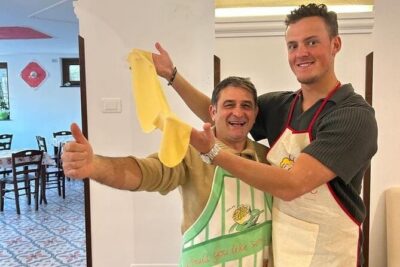
Cooking class with Pasta, mozzarella and Tiramisu with wine
Read our review →
Make Fresh Pasta, Mozzarella & Tiramisù with wine
Read our review →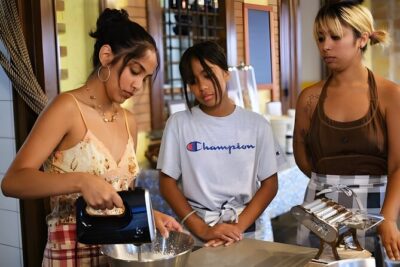
Make Fresh Pasta, Mozzarella, & Tiramisù with Wine
Read our review →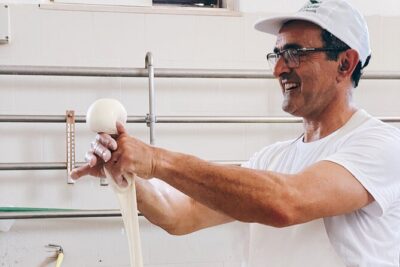
Mozzarella Experience – Cheese Tour and tastings to Masseria Fragnite
Read our review →
Puglia: Masseria Seppunisi Tour, Cheese, Burrata Tasting
Read our review →
Puglia: Mozzarella Experience at an Apulian Farm
Read our review →