
REVIEW · PARMESAN AND BALSAMIC TOURS
From Parma: Parmesan, Parma Ham & Balsamic Vinegar Tour
Food tells the story of Emilia-Romagna. This full-day outing from Parma brings you to family-run producers of Parmigiano-Reggiano, Parma ham, and traditional balsamic vinegar, with tastings and a generous trattoria lunch along the way. I especially like the three very different production visits and the chance to see aging rooms filled with thousands of cheese wheels. The local lunch, including tortelli d’erbetta and Lambrusco, is another strong point.
The main drawback is the pace. You spend about seven and a half hours moving between several stops, so this is not a slow, leisurely food walk. The ham visit can also feel less active on days when production is not underway, and the cheese dairy can be noisy during working hours.
Key points at a glance
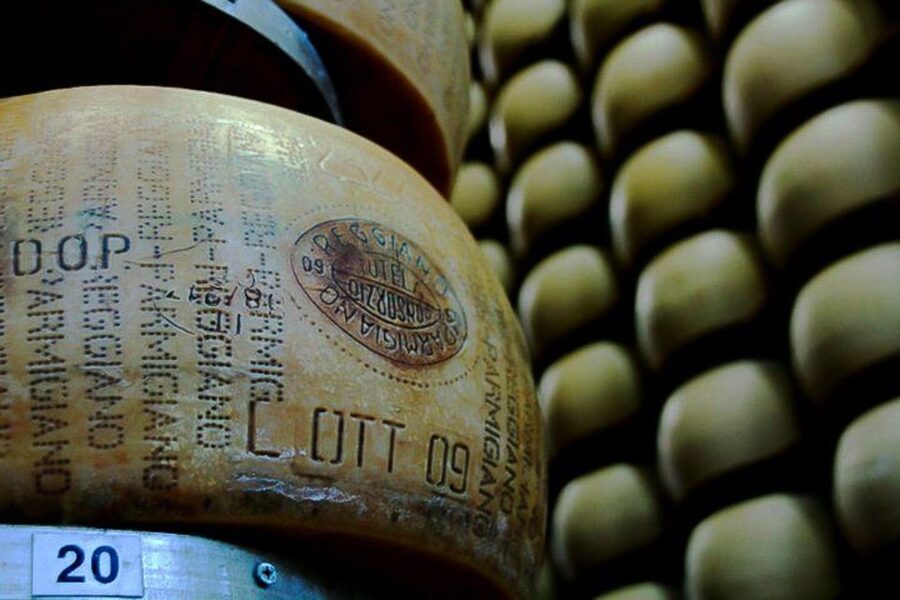
- Five thousand cheese wheels: The Parmigiano-Reggiano aging rooms give you a clear sense of the time and labor behind each wheel.
- Three protected local specialties: You taste cheese, Parma ham, and traditional balsamic vinegar at the places where they are produced.
- A real Emilia-Romagna lunch: Expect starters, homemade tortelli d’erbetta, seasonal dessert, Lambrusco, water, and coffee.
- Family-run producers: The visits focus on smaller producers rather than a large, impersonal food museum.
- Useful meeting point: The tour begins and ends near Caffetteria Toschi, with parking nearby and a 10 to 12 minute walk from Parma train station.
- Guide quality matters here: Guides including Sofia, Marika, Lisa, Giacomo, Elena, Guido, and Michelle have been praised for clear explanations and strong local knowledge.
Why this food tour works so well
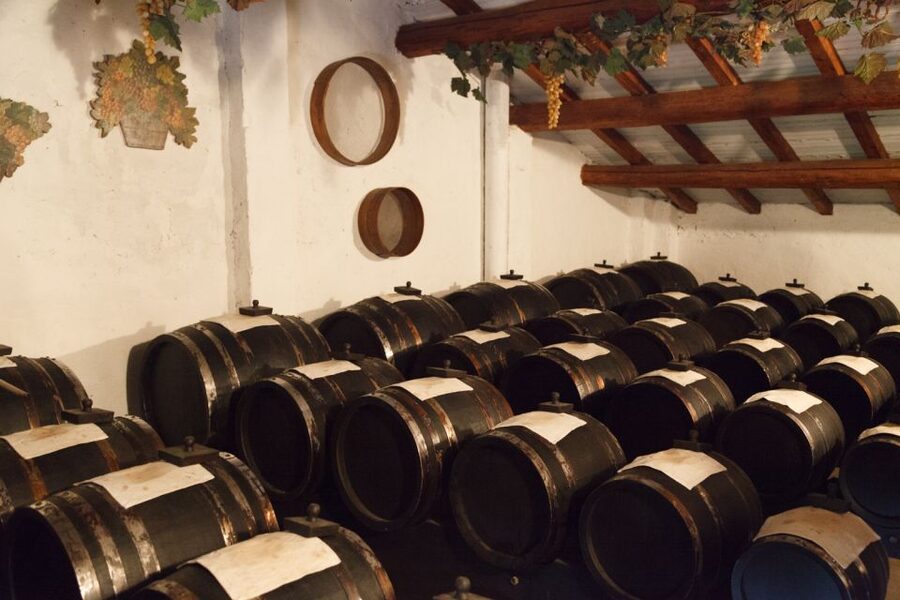
Parma is a good base for understanding Italian food because three famous products come from nearby parts of Emilia-Romagna. Parmigiano-Reggiano is made in large wheels and aged for months or years. Parma ham is cured slowly under carefully controlled conditions. Traditional balsamic vinegar may spend up to 25 years in wooden barrels.
This tour puts those products into their proper setting. Instead of tasting small portions from a shop counter, you see the rooms, equipment, barrels, and storage areas behind the food. That makes the tasting more meaningful. You learn why an older cheese has a different texture, why Parma ham tastes sweet rather than aggressively salty, and why traditional balsamic vinegar is used drop by drop.
I also like the fact that the day is not only about eating. The guide talks during the drives, explains the countryside, and links the three stops together. Several guides have been praised for making time to speak with each person, both on the bus and during the visits. That personal approach matters when the group is moving through working production sites.
At $220.91 per person, this is not a cheap excursion. Still, transportation, a guide, entry to all three producers, multiple tastings, wine, and lunch are included. If you tried to arrange transport to three rural producers yourself, the price could make more sense. The value is strongest for anyone who wants a full day devoted to local food without renting a car.
More Parmesan and Balsamic Tours in Parma
- Tour Parmigiano Reggiano dairy and Parma ham
★ 5.0 · 601 reviews - Parma: Parmigiano Production and Parma Ham Tour & Tasting
★ 4.9 · 554 reviews - Guided group tour TastyBus: Parmesan Cheese and Parma Ham
★ 5.0 · 241 reviews
Meeting at Caffetteria Toschi
The starting point is just outside Parcheggio Toschi, in front of Caffetteria Toschi. This is practical if you are driving because parking is available nearby. If you arrive by train, leave through the main exit toward Viale Paolo Borsellino and allow about 10 to 12 minutes on foot.
The tour returns to the same place at the end of the day. That simple arrangement saves you from figuring out a rural pickup or finding your way back from a distant producer.
Bring comfortable shoes and a camera. Closed-toe shoes are required, and open-toed shoes are not allowed. That rule makes sense in working food facilities, where floors may be wet or busy with equipment.
The local partner sends the final details the day before. Check those instructions carefully for the exact starting time, since the available departure time can vary.
Seeing Parmigiano-Reggiano being made
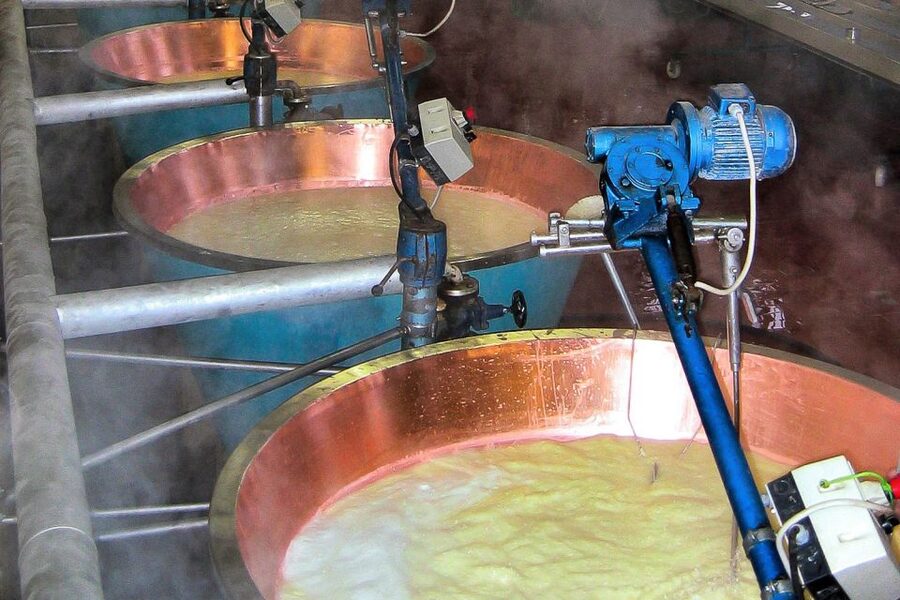
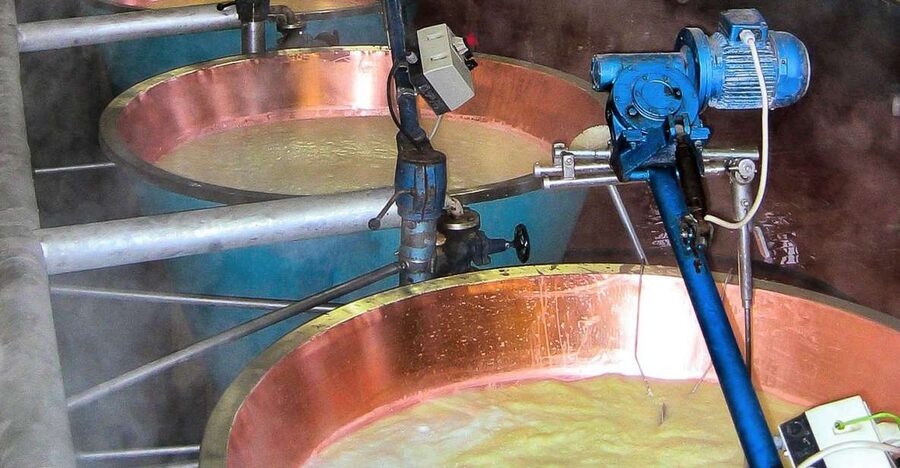
The first major stop is a cheese dairy in the Parma area. The guided visit explains the natural process that turns milk into Parmigiano-Reggiano, often called the king of Italian cheeses.
This is not simply a tasting followed by a quick sales pitch. You learn about the stages of production before entering the aging rooms. The most striking sight is a storage area holding about 5,000 cheese wheels. Seeing that much cheese in one place gives you a better sense of the scale of the work than a photograph ever could.
The tasting compares cheese at different ages. Younger wheels have a softer texture and a gentler flavor. Older cheese becomes firmer and more complex, with the crumbly texture and concentrated taste that many people associate with Parmigiano-Reggiano.
Your guide helps explain what changes over time and why the aging period matters. This is one of the most useful parts of the day because you can taste the difference immediately rather than simply hearing about it.
The cheese dairy is a working site, so it may be noisy. One visitor found it difficult to hear the explanation during production, though the guide was happy to repeat information. If you have trouble hearing in crowded or industrial spaces, stay close to the guide and ask for clarification.
Langhirano and the making of Parma ham
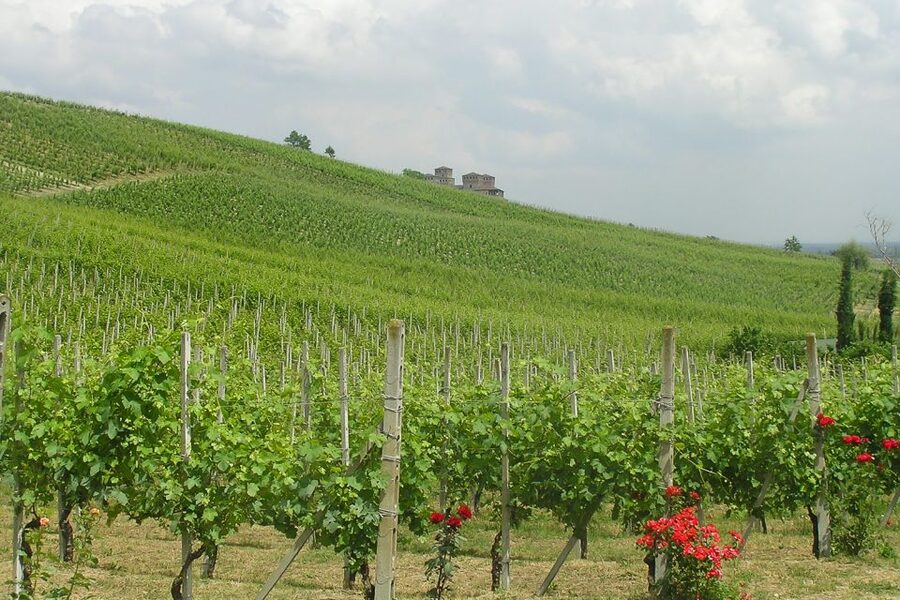
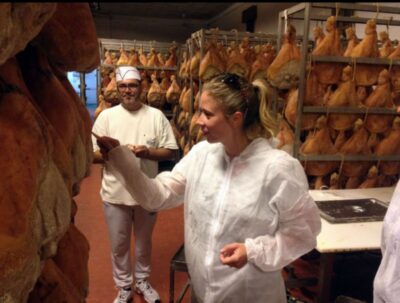
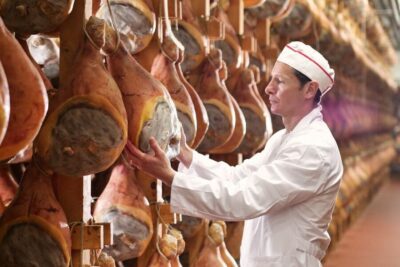
The route then continues through the Parma countryside toward Langhirano, the area associated with Prosciutto di Parma. The ham visit follows the product from meat selection through curing and aging.
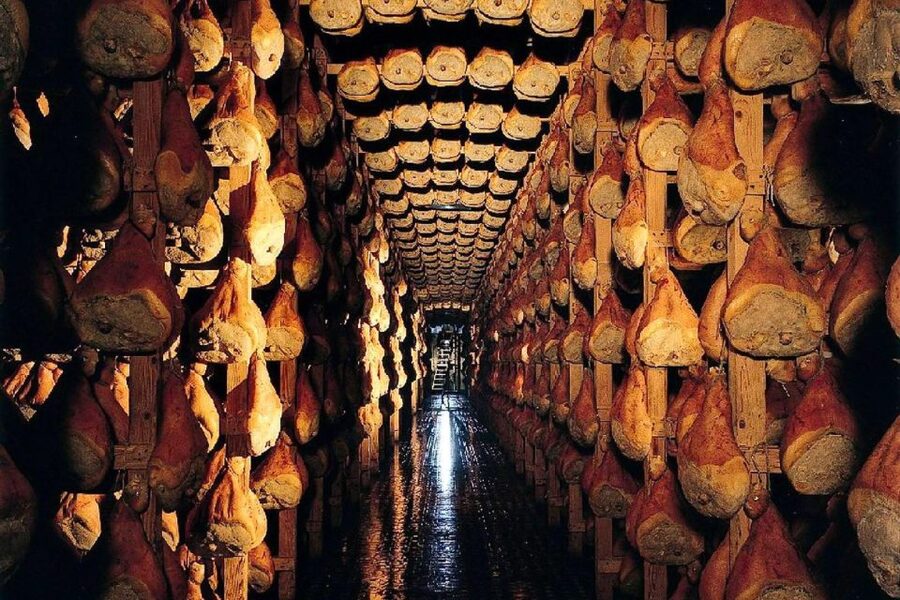
You see how the process depends on patience and careful handling. The emphasis is not on adding strong flavors, but on allowing the ham to develop its characteristic sweetness and gentle saltiness over time.
The tasting usually includes Parma ham and other local cold cuts. This is a good moment to compare the delicate ham with the other cured meats on the plate. The tasting also shows why slicing and aging matter. Parma ham is not meant to taste like a heavily smoked or strongly spiced meat.
The amount of visible production can depend on the day. On a Saturday, production was not taking place, so the visit relied more on access to the rooms, explanations, and a film showing the process. That does not make the stop worthless, but you should not assume you will see workers handling ham at every stage.
The strongest part of this stop is the explanation of the full process. If you are mainly interested in watching active production, ask about the operating schedule when you book.
Same region, a different board:
- Parma: Traditional Cheese Factory Visit with Tasting
★ 4.9 · 225 reviews - Parmigiano Cheese, Parma Ham and Balsamic
★ 5.0 · 166 reviews - From Parma: Parmigiano and Parma Ham Guided Food Tour
★ 4.8 · 144 reviews - Parma: Cheese, Ham, & Balsamic Vinegar Tour with Tastings
★ 4.9 · 143 reviews
Lunch at a local trattoria
The midday meal is more substantial than a simple snack. You begin with local starters, followed by tortelli d’erbetta, a homemade pasta filled with ricotta and spinach. A seasonal dessert finishes the meal, and the included drinks are a glass of Lambrusco, water, and coffee.
This is an important part of the day because it gives you a taste of Parma beyond the three headline products. Tortelli d’erbetta is a classic local dish, and its homemade character adds something that a sandwich or standing tasting would not.
The trattoria is described as cozy, and the meal is served in a relaxed setting. The format also gives you time to chat with the guide and the other people in the group. Some guides, including Sofia and Marika, have been praised for making lunch feel friendly and informal rather than treating it as a rushed stop.
The lunch is called light in the tour details, but the full menu can still feel plentiful after two tastings. You may want to pace yourself earlier in the day. The small portions at the first stops are easy to underestimate, especially when several samples are offered.
Lambrusco is a natural match for the food. It is a local sparkling red wine that works well with cured meats and filled pasta. If you do not drink wine, water is included.
Traditional balsamic vinegar in a 300-year-old mansion
The final production visit takes you to a 300-year-old mansion in the Province of Reggio Emilia, where a family produces traditional balsamic vinegar.
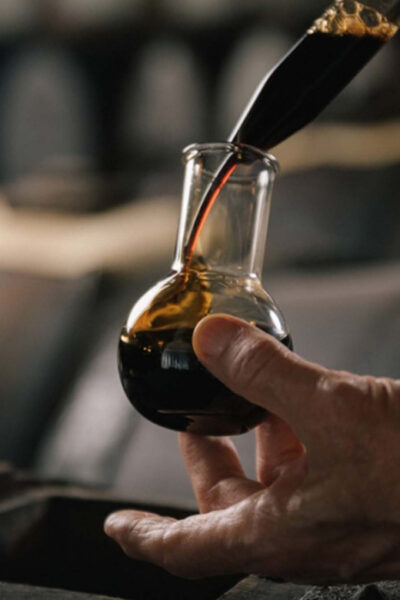
This stop has a different mood from the dairy and ham facility. Instead of rows of cheese or curing rooms, you see wooden barrels holding dark vinegar at different ages. Some of the vinegar is aged for up to 25 years.
The guide explains how the family treats the vinegar as one of its most important gifts. You also learn how aging changes the product, moving it from a sharp condiment toward a thicker, sweeter, more layered taste.
The tasting compares vinegars of different ages. This is where the value of traditional balsamic vinegar becomes easier to understand. Aged vinegar is not simply a stronger version of supermarket balsamic. Its texture, sweetness, and balance can be quite different.
The visit also includes unusual recipes, which helps you think beyond the usual salad dressing. The tasting is a fitting final stop because it is slower and more reflective after the busy cheese and ham visits.
Several people have found the balsamic stop particularly engaging because they meet the owners and hear directly about the family operation. That personal contact fits the spirit of the tour: you are visiting producers who care about a small set of local products rather than touring a generic factory.
The guide and vehicle make a difference
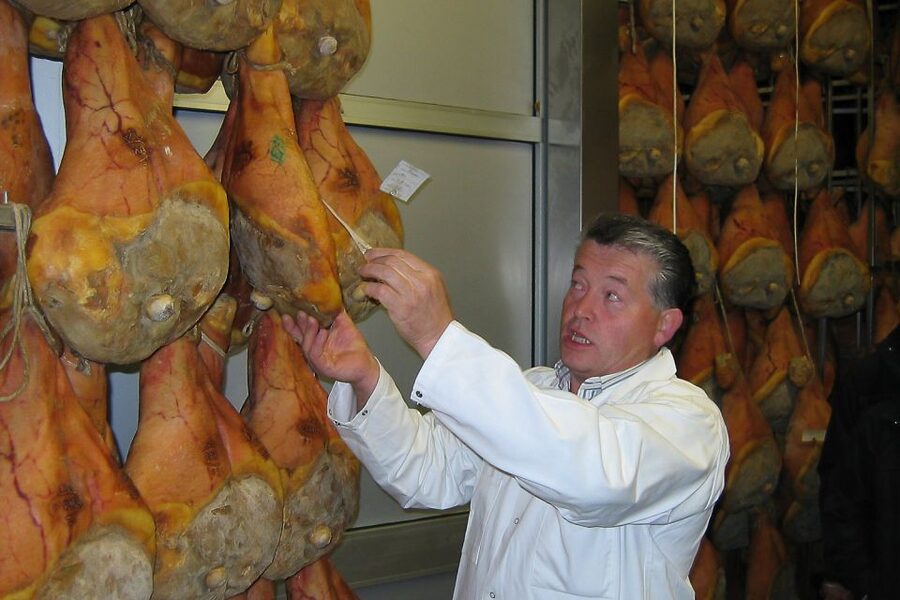
The guide is central to this experience. You are not just being driven from one tasting to another. The guide interprets what you see, explains the production methods, and fills the road time with information about the products and area.
The strongest guide feedback has focused on clear communication, enthusiasm, and a strong grasp of local food production. Giacomo was praised for explaining the cheese, ham, and vinegar during the drives and for giving extra attention to someone who arrived late. Marika, Lisa, Elena, Guido, Michelle, and Sofia have also been praised for warmth and detailed explanations.
That said, the experience depends partly on how well you can hear. The cheese facility can be loud, and a moving vehicle is not always the easiest place for a long explanation. Stay near the guide during each stop and ask questions when something is unclear.
Transportation is included in a small bus. The vehicle has reclining seats, which can be welcome after lunch and several hours of touring. The driver also matters on a day with several rural stops. Guido, for example, was praised for being punctual and for explaining the schedule during the drive.
Timing, comfort, and accessibility
The full tour lasts about 7.5 hours. Each main stop is listed at roughly 1.5 hours, including the cheese dairy, Langhirano ham producer, lunch, and balsamic vinegar visit.
That makes the day efficient, but not leisurely. You will spend much of the day following a fixed schedule. This suits you if you want to cover the major food traditions in one outing. It is less suitable if you prefer to linger, browse shops, or choose your own lunch.
The tour details say the activity is wheelchair accessible, but the additional information also says it is not suitable for people with mobility impairments. Those statements do not fully agree. If you use a wheelchair, walker, or have difficulty standing and walking through production areas, confirm the exact conditions with the local partner before booking.
Closed-toe shoes are compulsory. Comfortable footwear is a good idea because you will be moving through several facilities and may spend time standing during explanations.
The tour is offered in English and Italian. A minimum of two participants is required for the tour to operate, and the agency may contact you about cancellations before the date of travel. Free cancellation is available up to 24 hours in advance, and you can reserve now and pay later.
Who should book this experience?
I would choose this tour if you want a practical introduction to the food culture around Parma and do not have a car. It is especially useful for first-time visitors who want to see how the products are made rather than only taste them in town.
It also suits couples, families with older children, and small groups who enjoy food but want more structure than an independent day of restaurant stops. One guide even managed to keep a teenager interested, which says something about the variety of the visits.
You should think twice if you dislike organized schedules, long drives between stops, or production spaces that can be noisy. The ham visit may also be less visually active on a nonproduction day.
The tour is a strong choice for anyone who wants context with the food. After seeing the aging rooms, meeting producers, comparing cheese, and tasting vinegar from different barrels, you will understand why these products cost more than ordinary supermarket versions.
FAQ
Where does the tour begin?
It begins just outside Parcheggio Toschi, in front of Caffetteria Toschi in Parma.
Where does the tour end?
The tour ends back at the same meeting point near Caffetteria Toschi.
How far is the meeting point from Parma train station?
From the main station exit toward Viale Paolo Borsellino, the walk takes about 10 to 12 minutes.
How long does the tour last?
The activity lasts approximately 7.5 hours. Starting times vary, so check availability for the date you want.
What food and drinks are included?
You receive tastings of Parmigiano-Reggiano, Parma ham, other local cold cuts, and traditional balsamic vinegar. Lunch includes starters, tortelli d’erbetta, seasonal dessert, Lambrusco, water, and coffee.
Are transportation and entry fees included?
Yes. Transportation, the guide, and entry tickets to all the production sites are included.
What languages are available?
The tour is offered in English and Italian.
What should I wear?
Wear comfortable shoes and closed-toe shoes. Open-toed shoes are not allowed.
Can I cancel the tour?
You can cancel up to 24 hours before the activity for a full refund. Reserve now and pay later is also available.
Should you book the Parma food tour?
Book it if you want one well-organized day covering three of Emilia-Romagna’s best-known specialties. The cheese aging rooms, traditional balsamic tasting, and full trattoria lunch give the tour real substance, while the guides add useful context between stops.
Skip it if you want a slow day or a guaranteed look at active ham production. For most food-focused visitors based in Parma, though, the combination of family producers, generous tastings, countryside transport, and an included local meal makes the $220.91 price reasonable for a full day of eating and learning.
Just added around Parma
- Parmesan and Ham Factory Tour★ 4.5 · 21 reviews
- Parmigiano-Reggiano Tour and tastings★ 4.5 · 6 reviews
- Parmigiano and Culatello Private Tour with Lunch and Farm Visit★ 5.0 · 2 reviews
- Parmigiano Cheese Factory Visit and Tasting★ 5.0 · 22 reviews
- Parmigiano-Reggiano Cheese Factory Small group Tour From Parma★ 3.5 · 15 reviews
- Parma Food Tour with Sightseeing and Parmesan Tasting★ 4.5 · 14 reviews
- Parmigiano Reggiano and Parma ham tour★ 5.0 · 9 reviews
- From Parma: Parmigiano,Prosciutto and winery Tour and tasting★ 4.5 · 8 reviews
Parmesan and Balsamic Tours, compared.
Parmigiano Production and Parma Ham Tour & Tasting
Read our review →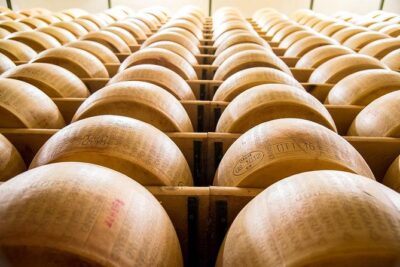
Guided group tour TastyBus: Parmesan Cheese and Parma Ham
Read our review →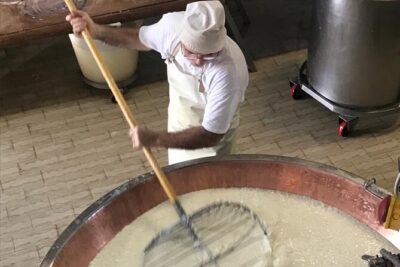
Cheese, Ham, & Balsamic Vinegar Tour with Tastings
Read our review →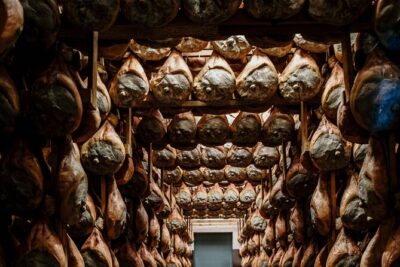
Private Full Day Parma Food Tour: Parmesan Cheese, Parma Ham, Lunch, Vinegar
Read our review →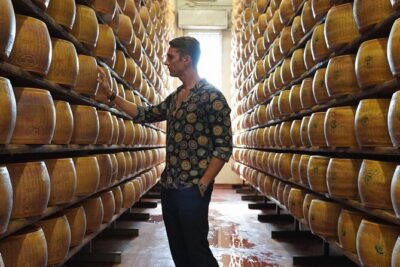
Parmigiano Reggiano Farm Tour & Tasting with Transfer
Read our review →Browse the lists this tour appears in