
REVIEW · CHEESE MAKING WORKSHOPS
Gran Canaria: Cheese Workshop in Agüimes
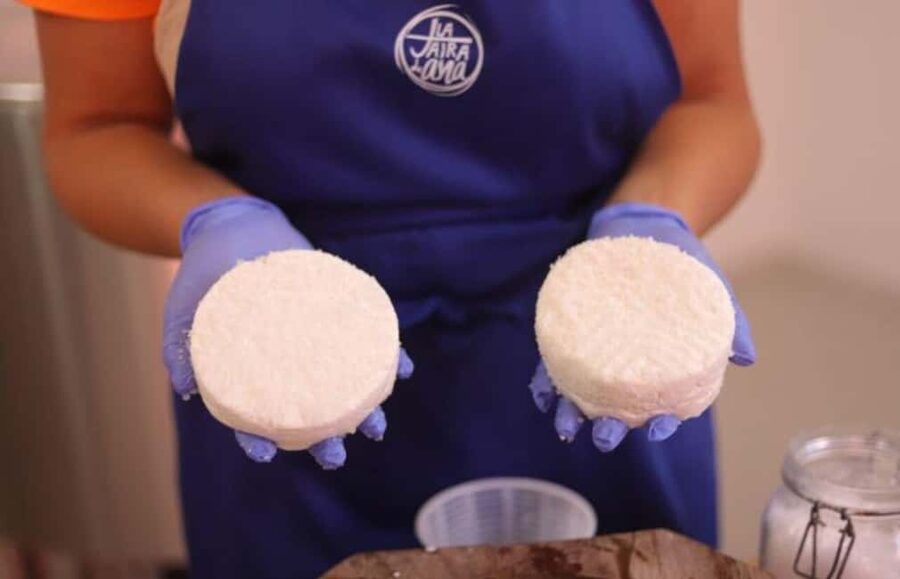
Goats, cheese, and a fine hilltop view. At La Jaira de Ana near Agüimes, you spend 90 minutes learning how fresh goat milk becomes handmade cheese, with plenty of time to meet the farm animals along the way. I like the hands-on format, since you do not merely watch a demonstration. You help with the cheese yourself, then take your creation home. I also like the friendly farm setting, where baby goats, rabbits, and other animals add a warm family touch.
The main point to consider is communication and arrival. The instructor speaks Spanish, and one visitor had trouble finding the farm and could not reach the contact number during the scheduled time. The experience itself received strong praise for its patience and local character, but you should confirm the meeting details carefully before setting out.
Key points at a glance
- Fresh goat milk: You make your own cheese using milk from the farm’s goats.
- Hands-on work: The session covers coagulation, shaping, and other basic stages of traditional cheesemaking.
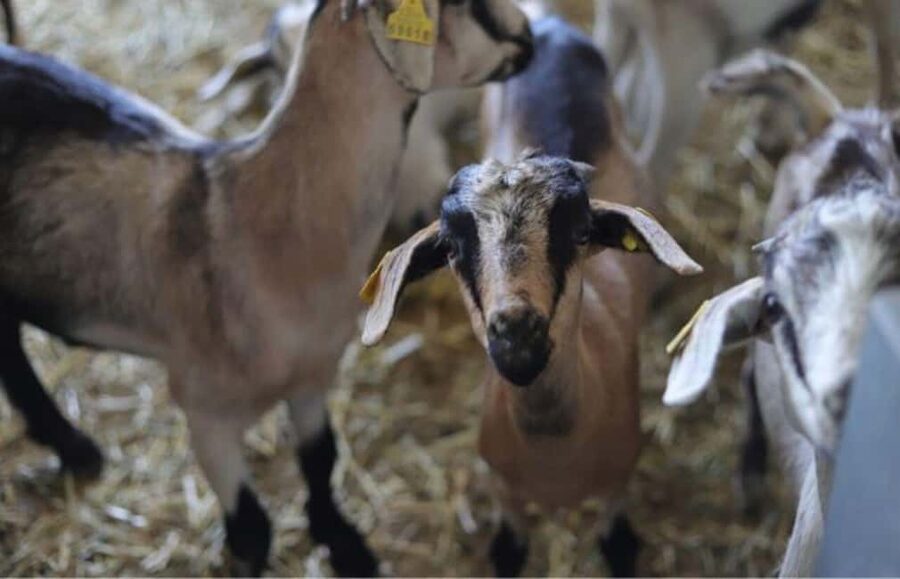
- Baby goats and farm animals: You can interact with young goats in a natural farm setting, with rabbits and other animals also present.
- Spanish instruction: The workshop is conducted in Spanish, so basic Spanish or translation help may make the process easier to follow.
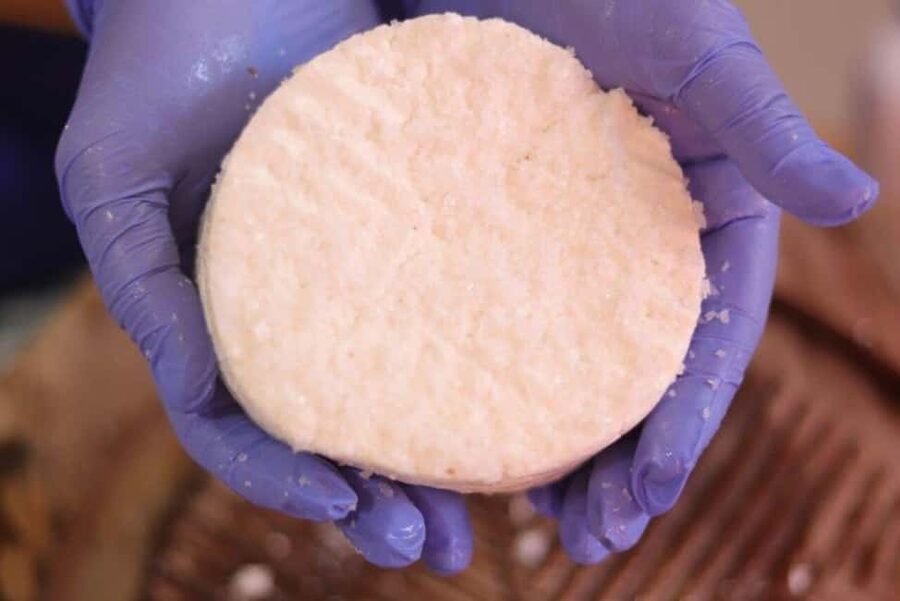
- A useful souvenir: You take home the cheese you make, but you need to bring a cooler.
- Good value at $35: The price combines a farm visit, animal encounter, practical lesson, and edible souvenir in about 1.5 hours.
Why Agüimes is a good setting for a cheese workshop
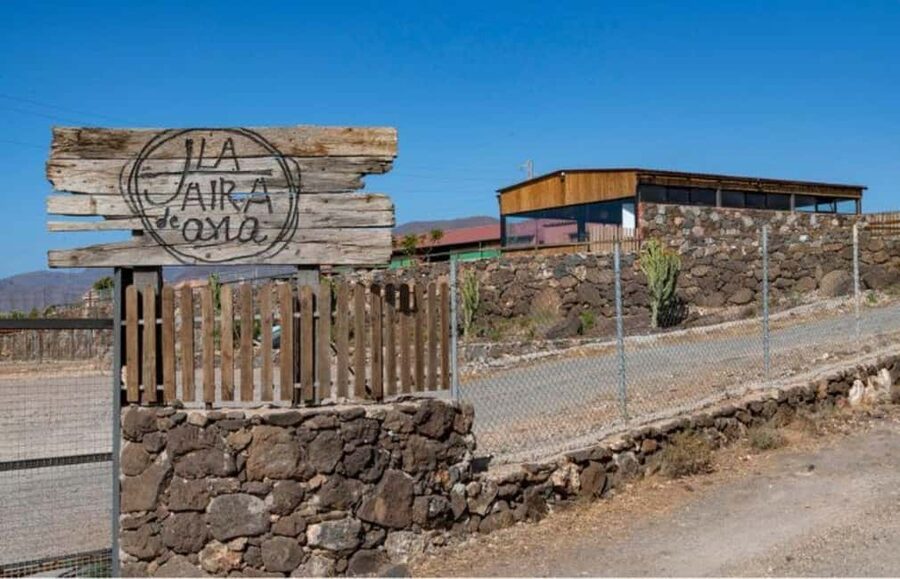
Gran Canaria is often sold through its beaches, resort pools, and dramatic mountain roads. This experience gives you a different side of the island. At La Jaira de Ana, the focus is on goats, farm work, and a traditional food that has a real place in the Canary Islands.
Goat farming matters here because goats are well suited to dry island conditions and have long provided milk, meat, and cheese for local communities. You are not simply making a snack. You are getting a short, practical introduction to one of the food traditions that helps explain rural Gran Canaria.
The farm setting also changes the pace of a holiday. Instead of moving from one viewpoint to another, you stay in one place and work with your hands. You can meet the animals, see where the milk comes from, and then follow that milk through its first stages of transformation.
The setting may be especially appealing if you have already spent several days in the more built-up parts of the island. One visitor described broad views over the city from the farm, adding another reason to bring your camera. The exact view will depend on the weather and where you are positioned, but the high rural location adds a sense of place that a city-center cooking class cannot provide.
More Cheese Making Workshops in Spain
- Fuerteventura: Artisan Goat’s Cheese Making at Local Farm
★ 4.9 · 112 reviews - Sangria Workshop and Tasting with Local Cheese
★ 5.0 · 86 reviews - Central Madrid: Sangría Workshop & Tasting with Local Cheese
★ 4.8 · 82 reviews
Meeting the goats before making cheese
The experience begins with a welcome and an introduction to the farm. You learn about the goats, their care, and how the fresh milk used in the workshop is collected. This opening matters because it connects the finished cheese to the animal that produced the milk.
The young goats are a major part of the appeal. You can interact with them in a natural environment rather than seeing animals only from behind a fence. Their presence makes the workshop more relaxed, especially for children who may not yet care much about the technical side of cheesemaking.
There are also baby rabbits and other farm animals. That makes the visit more than a single-purpose food lesson. Families can give children something to watch and discuss while the adults follow the cheese process.
You should still remember that this is a working farm, not a petting zoo designed around constant entertainment. The animals are part of the setting and the farm experience. Be gentle, follow the instructor’s directions, and expect the visit to have an educational side.
The introduction to milking is also important. The available information does not promise that you will personally milk a goat, so do not book expecting a full milking session. You will learn about the process and observe how the milk used for the workshop is collected.
From coagulation to your own small cheese
The central part of the visit is the cheese-making workshop. The instructor takes you through the process step by step, beginning with the way milk changes during coagulation and continuing through shaping.
Coagulation is the stage when the liquid milk begins to form curds. It may sound technical, but the value of a hands-on lesson is that you can see the change instead of hearing a vague explanation about it. The workshop then moves toward shaping, giving you a clear sense of how a soft mixture becomes a recognizable cheese.
The details of the final product can depend on the day’s preparation and the farm’s method. The activity promises that you will make an artisanal cheese with fresh goat’s milk and take it home. It does not specify an exact style, weight, aging period, or flavor profile, so keep your expectations open.
That uncertainty is part of the charm. You are not ordering a finished cheese from a shop. You are learning the early stages and handling the ingredients yourself. The result may look modest, but it carries more meaning than a packaged souvenir because you helped produce it.
A patient instructor makes a big difference here. Fermet has been described as taking visitors around the farm and explaining the process carefully. Ana has also been praised for her enthusiasm and skill when explaining cheesemaking. Since the workshop is in Spanish, the quality of the guide’s demonstrations and gestures matters as much as the spoken explanation.
Spanish instruction and how to get the most from it
The official language for the activity is Spanish. That is the most important practical detail to understand before booking. You may still follow much of the workshop by watching the demonstrations, but you will get more from it if you know basic food and farm vocabulary.
Useful Spanish words include leche for milk, queso for cheese, cabra for goat, cuajar for coagulate, and molde for mold or form. A translation app can help with questions, though it is wise to download Spanish language support before arriving if your mobile connection is uncertain.
This is not a lecture-heavy museum tour. Much of the learning happens through seeing and doing. Even with limited Spanish, you might find the process understandable when the instructor shows each stage directly. Still, do not assume that a full English explanation will be available.
If your group includes children, explain this before you go. Young visitors can enjoy the animals and the practical work without understanding every word, while adults may want to translate key points as the session continues.
Same region, a different board:
- Tacoronte: Guided Winery Tour with Wine and Cheese Tastings
★ 4.6 · 481 reviews - Guided Visit to the Estrella Galicia Museum with Cheese Pairing
★ 5.0 · 218 reviews - Fuerteventura: Tickets to Salt, Cheese and Windmill Museums
★ 4.4 · 129 reviews - Tenerife Bodegas Monje Winery Tour with Wine and Cheese Tasting
★ 4.5 · 121 reviews
Timing, meeting details, and the one real caution
The workshop lasts about 1.5 hours. That is long enough to feel like a proper activity but short enough to fit into a day of sightseeing around Agüimes. You are not committing half a day to a complicated rural excursion.
The start time must be checked when you reserve, since availability changes. One scheduled visit began an hour later than planned, with the delay eventually offset by a strong explanation from Ana. That does not mean every session will run late, but it is a useful reminder to avoid booking another time-sensitive activity immediately afterward.
Finding the farm deserves extra care. One person could not locate it despite using navigation, asking around town, and calling the contact number during the appointment window. The problem was not solved that day, and no follow-up had arrived at the time of the account.
To reduce the chance of a wasted trip, confirm the exact meeting point and directions before departure. Save the address, phone number, and any messages you receive. If possible, allow extra time for the final approach rather than treating the scheduled start as the moment you begin driving.
This is the clearest weakness of the experience. The workshop itself can be warm and well organized, but a rural farm is less forgiving than a central attraction when directions are unclear.
What $35 gets you
At $35 per person, the price is fair if you value participation rather than a quick tasting. You receive a farm visit, contact with the goats and other animals, a guided cheesemaking lesson, and the cheese you produce.
The value is strongest for families and food-minded visitors. A standard cheese tasting might cost less, but it would not give you the same connection between animal care, milk collection, and production. A longer cooking class might teach more techniques, yet cost considerably more and lack the farm setting.
The session also gives you a small local product to bring home. That makes the price easier to justify than an activity that disappears the moment it ends. You need to bring your own cooler, however, so the cheese can be transported safely after the workshop.
The product from the farm has been described as good quality and reasonably priced for additional purchases. The activity information does not state what extra products are available or how much they cost, so treat that as a possible bonus rather than part of the guaranteed package.
Free cancellation up to 24 hours before the activity and a reserve-now, pay-later option add useful flexibility. These policies are helpful if your Gran Canaria schedule depends on weather, rental-car plans, or changing day trips. Check the current conditions when booking, since booking terms can change.
Best fit for families, food lovers, and curious visitors
I would put this workshop high on the list for families with children. The goats, rabbits, and other animals give young visitors a reason to stay engaged, while the adults get a real food lesson. It is a good choice for children who enjoy touching, shaping, and observing rather than sitting quietly through a long talk.
Food lovers should also find plenty to enjoy. You learn how a local ingredient is handled at the source, and you leave with something you made. That is a more personal souvenir than a magnet, and it gives you a story to share when you serve the cheese later.
The experience suits visitors looking for a quieter rural activity away from the usual beach program. The setting and local focus make it feel connected to Gran Canaria rather than interchangeable with a cheese class anywhere in Europe.
It may be less suitable if you need English instruction, dislike animal contact, or want a polished restaurant-style tasting. The workshop is about process and participation. It is not advertised as a full meal, a large tasting menu, or a formal tour conducted in several languages.
How this compares with a standard farm visit
A simple farm visit lets you see animals and perhaps buy produce. This workshop goes one step further by showing you what happens after the milk leaves the goat.
That extra step is what gives the activity its value. You can see the source, learn the traditional method, and take part in the change from milk to cheese. The sequence is easy to remember because each stage has a practical purpose.
The short duration keeps the experience accessible, but it also limits how much technical detail can be covered. You will not master every part of professional cheesemaking in 90 minutes. You will, however, gain a useful working picture of the basic method and understand why temperature, coagulation, and shaping matter.
If you want a serious artisan course, this is probably too brief. If you want a friendly introduction with animals and a local food connection, the length is about right.
Practical tips before you go
Bring a cooler. This is not a minor suggestion. The cheese you make is intended to go home with you, and a cooler gives you a safer way to transport it after the visit.
Wear clothes and shoes that can handle a farm setting. The supplied details do not specify a dress code, but practical clothing makes more sense than anything delicate or formal when animals and food preparation are involved.
Keep your schedule flexible around the 1.5-hour session. The planned duration is short, but an earlier visit ran late, so leave breathing room before your next appointment.
Prepare for Spanish instruction. A few basic words, a translation app, or a Spanish-speaking member of your group can make the lesson easier to follow.
Finally, check directions more than once. The one serious complaint involved not finding the farm, not the actual workshop. Good preparation can prevent the most frustrating part of the day.
Should you book La Jaira de Ana?
Book it if you want a small-scale, local activity where you can meet goats, learn a traditional food skill, and take home your own cheese. At $35, the combination is good value, especially for families and visitors who prefer doing something practical over simply looking at another sight.
I would be more cautious if you need English guidance or have a tightly packed itinerary. Confirm the location, allow extra arrival time, and bring a cooler. With those details handled, La Jaira de Ana offers a friendly and memorable look at Gran Canaria’s rural food traditions.
FAQ
Where does the cheese workshop take place?
The workshop takes place at La Jaira de Ana near Agüimes, Gran Canaria, in Spain.
How long does the experience last?
The cheese workshop lasts 1.5 hours.
How much does the experience cost?
The listed price is $35 per person.
What language is the workshop conducted in?
The instructor speaks Spanish, and some content may appear in its original language.
Do I get to make my own cheese?
Yes. You make artisanal cheese with fresh goat’s milk and take home the cheese you create.
Can I meet the goats?
Yes. The experience includes interaction with little goats in a natural farm environment. Baby rabbits and other farm animals may also be present.
Should I bring anything with me?
Bring a cooler so you can transport your cheese home safely.
Just added around Spain
- Cheese Factory Workshop with Wine Tasting in Requena, Valencia★ 4.5 · 3 reviews
- Guided Tour Montesdeoca Cheese Factory – Cheese and Wine Tasting★ 4.5 · 6 reviews
- Hike the Cork Oak trail and try some Delicious Cheese★ 5.0 · 12 reviews
- Discover the Art of Idiazabal Cheese in the Basque Country★ 4.5 · 9 reviews
- Private Basque Cheese & Txakoli Wine Tour from San Sebastian★ 5.0 · 20 reviews
- Menorca: Cheesemaking and Farm-Fresh Product Tasting★ 5.0 · 29 reviews
- Mallorca Wine and Cheese Tasting★ 5.0 · 29 reviews
- Madrid Bike Tour with Churros and Wine, Ham, and Cheese Upgrade★ 5.0 · 8 reviews
Cheese Making Workshops, compared.
Paris Cheesemaking Workshop including Wine and Cheese Tasting with an Expert
Read our review →
Troodos Mountains Halloumi Making: All Inclusive Workshop & Tour
Read our review →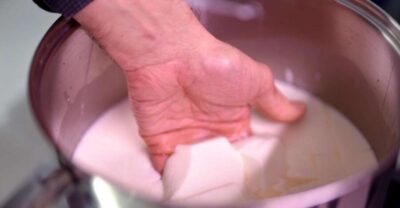
Central Madrid: Sangría Workshop & Tasting with Local Cheese
Read our review →Troodos Mountains Halloumi Making: All Inclusive Workshop & Tour
Read our review →Browse the lists this tour appears in