
REVIEW · CHEESE AND CHARCUTERIE BOARDS
Hungarian Wine Tasting (with Cheese and Charcuterie) in Budapest
Wine can explain a country fast. In Budapest, this 90-minute tasting pairs five Hungarian wines with local cheeses, cured meats, bread, and a little food history in a 19th-century cellar. I like the focus on indigenous grape varieties and the chance to ask a sommelier about Hungary’s wine regions. I also like the communal tables, which make this a sociable stop for solo visitors and couples alike.
The main consideration is quantity. The food is well chosen and beautifully matched, but a few diners found the cheese and charcuterie modest for the $50 price. This is a wine lesson with substantial snacks, not dinner. If you want a relaxed introduction to Hungarian wine, it is a strong pick. If you mainly want a large meal, spend your money elsewhere.
Key points to know before booking
- Five Hungarian wines: Taste wines made from indigenous grapes, including bottles that can be difficult to find outside Hungary.
- A historic cellar setting: The Tasting Table Cellar has vaulted 19th-century ceilings and a characterful atmosphere.
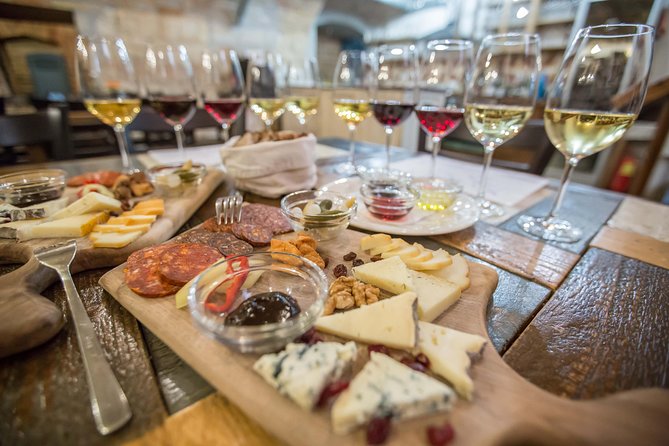
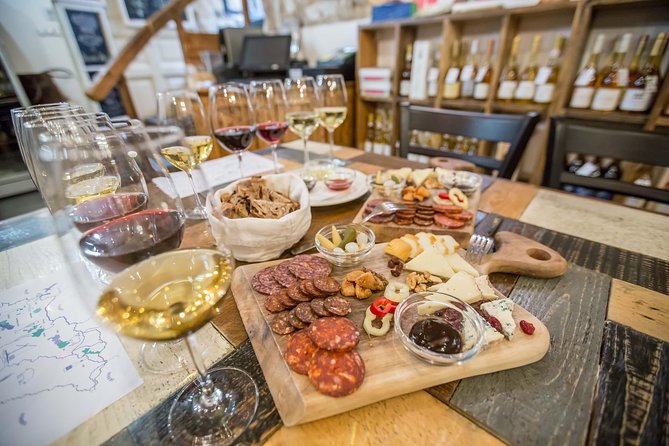
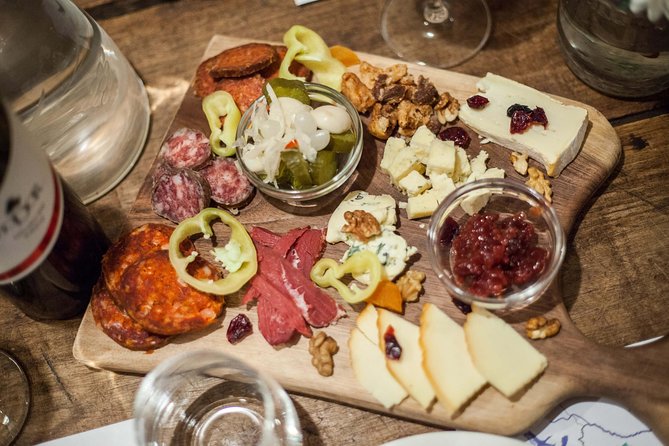
- Local food pairings: The board includes four cheeses, four cured meats, fresh bread, and mineral water.
- English-speaking sommelier: Guides such as Sam, Tomas, Thomas, and Mathew have led sessions covering grapes, soils, regions, and winemaking.
- A sociable afternoon: The 3 pm tasting uses communal tables and can include up to 24 people.
- Good for curious beginners: You do not need wine expertise, though vegetarians should request substitutions in advance.
Entering the Tasting Table Cellar at 3 pm
The experience begins at Tasting Table Cellar, at Bródy Sándor u. 9 in Budapest’s District VIII. It is near public transportation, and the meeting point is also where the tasting ends. The scheduled start is 3 pm, which makes this a useful afternoon activity before dinner.
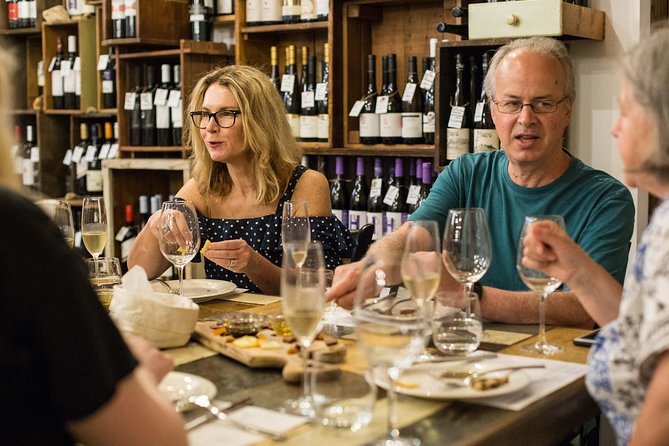
The room itself does much of the welcoming. You sit beneath vaulted ceilings in a 19th-century wine cellar, an atmospheric setting that gives the tasting a stronger sense of place than a modern restaurant room. You are not simply sampling wine at a counter. You are sitting down for a guided look at Hungarian food and drink.
The tables are communal. That matters if you are traveling alone, since you will not be isolated at a small two-person table. It also means the mood can be more social than formal. People have ended up chatting with others from Britain, Poland, the United States, and other countries during the session.
The group can reach 24 people, so this is not a private tasting. Still, the format is focused enough for questions, and the sommelier guides the group through the wines rather than leaving you to work out the details alone.
More Cheese and Charcuterie Boards in the world:
- Budapest: Wine, Cheese, and Charcuterie Tasting
★ 4.9 · 647 reviews - Full-Day Group Wine Tour (with cheese and charcuterie) in Niagara-on-the-Lake
★ 5.0 · 349 reviews - Tasting of 6 Bordeaux wines and pairing charcuterie & cheese
★ 5.0 · 199 reviews
Five glasses that introduce Hungary’s wine regions
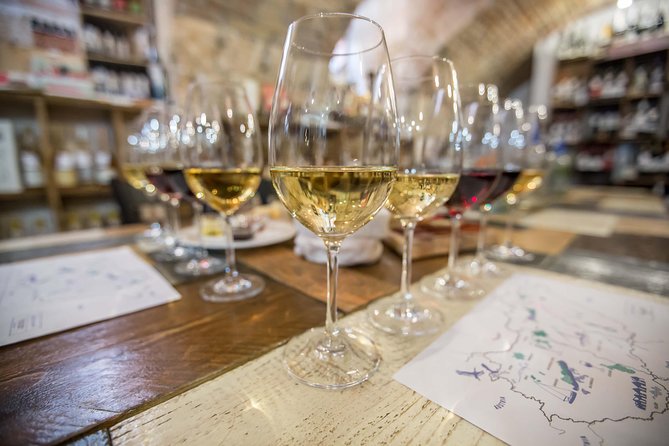
The central part of the tasting is five glasses of Hungarian wine. The exact bottles can vary, but the aim is clear: show you local grape varieties, different regions, and a range of styles. This is particularly useful in Hungary, where the names on the labels may be unfamiliar even to regular wine drinkers.
The sommelier explains the grapes, growing areas, soil, and winemaking methods. You can ask questions throughout, so this works for both a complete beginner and someone who already knows their way around a wine list. A good feature of the session is that the information is tied to the glass in front of you, not delivered as a long lecture disconnected from the tasting.
You may encounter Hungarian versions of familiar wine styles alongside less familiar indigenous varieties. The aim is not to push one famous bottle, but to show how varied the country’s production can be. Several sessions have been praised for presenting wines from different parts of Hungary and for ending with Tokaji, one of the country’s best-known wine traditions.
Tokaji can be a memorable finish because it gives the tasting a clear final note, especially after drier wines. The selection also includes local bottles that are hard to find elsewhere. If you find something you like, this is a good place to ask about buying it during your stay or finding it after you return home.
The tasting includes five glasses, described as generous servings. Mineral water is provided, which is important when you are tasting several wines in one sitting. Tasting sheets and a map of Hungary’s wine regions are also included, giving you something useful to refer to later.
Why the cheese and charcuterie matter
The food is not just decoration around the wine. The session explains Hungary’s artisanal cheese and charcuterie revival after the end of the Communist era, adding a food story to the wine lesson.
The board includes four kinds of cheese and four kinds of cured meat. Examples include beef sausage, smoked duck breast, free-range water buffalo salami, and Mangalica pork sausages. These are more distinctive than a standard plate of supermarket salami, and they give you a taste of ingredients associated with modern Hungarian food producers.
Fresh artisan bread is included, along with mineral water. The sommelier pairs the food with the wines, helping you notice how salt, smoke, fat, and texture affect the drink. This is one of the strongest parts of the experience. You are not only told that a wine is dry, full-bodied, or sweet. You get to test how it behaves with different foods.
The board does have a limit. Several people found the quality very good but the amount somewhat light for the price, especially if they expected lunch. I would treat it as a substantial tasting plate rather than a full meal. Have a proper meal later, particularly if you plan to enjoy all five wines.
Vegetarians are welcome, but you need to tell the provider ahead of time so alternatives can be prepared. The listed food is heavily focused on meat, so do not wait until you arrive to mention dietary needs.
The sommelier-led format makes the difference
The guide is the heart of the session. Names that have appeared in the tasting room include Sam, Tomas, Thomas, and Mathew. The important point is not which guide you receive, but that the session depends on a person who can explain Hungarian wine clearly in English.
The strongest sessions cover more than grape names. You can expect discussion of wine regions, soils, grape development, Hungary’s changing food culture, and the way winemaking evolved after the Communist period. The best guides also leave room for the group to taste and talk rather than filling every minute with a speech.
That balance matters. One session was praised for giving the group time to enjoy the food and wine after the explanations. Another was described as easygoing, with no pressure to pretend to be a wine expert. That is the right tone for this kind of activity. You should be able to ask a basic question without feeling out of place.
There have also been occasional complaints about being hurried out to make room for the next group. This does not appear to define every session, and some tastings have lasted longer than the advertised 90 minutes. Still, if your group is scheduled tightly, allow for the possibility that the room may need to turn over on time.
More Wine and Cheese Tastings in the world:
- Amsterdam: Classic Saloon Boat Cruise with Cheese & Wine
★ 4.6 · 27,035 reviews - Paris: Montmartre Cheese, Wine & Pastry Guided Walking Tour
★ 4.8 · 2,255 reviews - Amsterdam: Evening Candle Light Cruise With Wine & Cheese
★ 4.6 · 1,774 reviews - Amsterdam: Cozy Cheese & Wine Cruise Tasting Experience
★ 4.5 · 1,156 reviews
What the 90-minute itinerary feels like
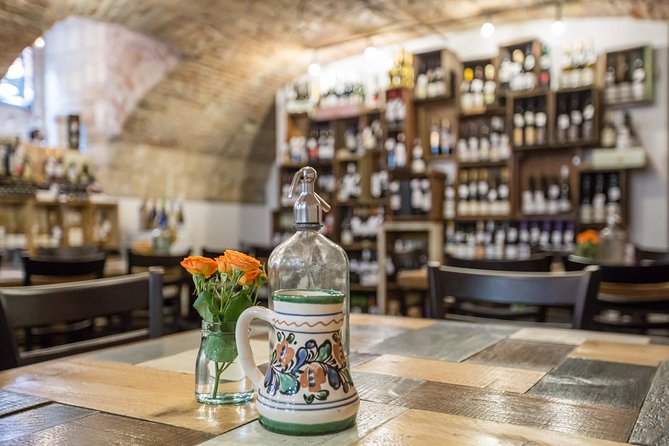
The tasting follows one main stop rather than a series of city sights. You arrive, take your seat, and begin with an explanation of the food and wine program. The sommelier then introduces the wines one by one, linking each glass to a grape, region, or winemaking idea.
The food board is served as the tasting progresses. This gives you time to try a cheese or cured meat with a particular wine, then compare it with the next glass. The result is more useful than simply drinking five unrelated samples.
The session is designed to leave you with a basic map of Hungarian wine. You should come away knowing a few grape names, recognizing the importance of Tokaji, and having a better idea of which regions or styles you want to explore next.
The advertised duration is approximately one and a half hours. That is long enough for a proper introduction without taking up an entire afternoon. It also makes the 3 pm start convenient. You can visit a museum or market earlier, then use the tasting as a bridge between sightseeing and dinner.
Is $50 a fair price?
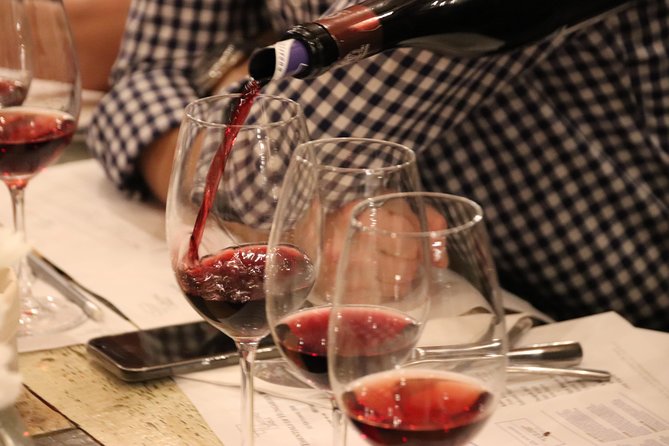
At $50 per person, the value depends on what you want from the afternoon. Five wines, four cheeses, four cured meats, bread, water, a professional sommelier, tasting notes, and a regional map make the price reasonable for a guided food-and-wine activity in central Budapest.
The price is easier to justify if you care about learning. You are paying for the explanations, the regional comparison, and access to wines that may not be easy to locate on your own. A self-guided wine bar visit might offer more liquid for the money, but it will not necessarily explain Hungarian soil, grapes, food traditions, and regional differences in one sitting.
The value is weaker if you expect a large spread. The charcuterie is high quality, but the portions may not satisfy a hungry diner. I would not book this as a replacement for lunch or dinner. Think of it as a tasting class with carefully chosen snacks.
There is also practical value in the English-language format. Hungarian wine labels and grape names can be difficult to interpret at first, and the sommelier gives you a starting point. If you later visit a wine shop or restaurant, you will have a better sense of what to ask for.
Who will enjoy this most?
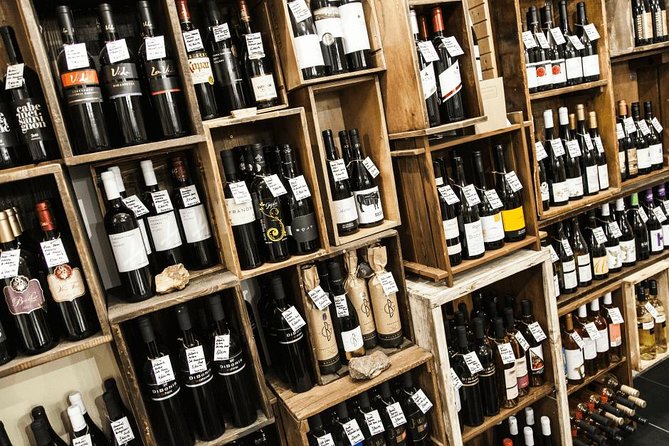
I would recommend this experience to anyone who likes wine but wants more context than a simple flight at a bar. It is particularly useful if Hungarian wine is new to you and you want an overview before visiting vineyards or ordering bottles in Budapest.
It also suits solo visitors. The communal tables make it easy to share the afternoon with other people, and the tasting has a natural topic of conversation. Couples and small groups should enjoy it too, though the shared seating means you may not have a private table.
You do not need formal wine training. The session is built for ordinary drinkers, and the questions can be as simple as which wine would pair well with dinner. At the same time, the regional and soil discussions give experienced wine drinkers something to consider. One attendee with sommelier-level experience still found the session worthwhile.
This is less suitable for anyone who dislikes group activities, wants a private guide, or needs a full meal. It is also not a good choice if you cannot drink alcohol, since the core activity is tasting five wines. The legal drinking age in Hungary is 18, and anyone aged 18 or older may participate.
Planning your Budapest afternoon
Book ahead if your dates are fixed. The experience is commonly reserved about 23 days in advance, which suggests that popular dates can fill before your visit. Confirmation is provided at booking, and the activity requires a minimum number of participants. If that minimum is not met and the session is canceled, you are offered another date or experience, or a full refund.
The cancellation terms are strict. Once booked, the experience is non-refundable and cannot be changed for any reason, so choose your date carefully.
Wear whatever is comfortable for sitting and tasting. The important practical points are the 3 pm start, the communal seating, and the need to mention vegetarian requirements in advance. Most people can participate, and the cellar is near public transportation.
Bring your phone if you want to keep notes or photograph the regional map, but the supplied tasting sheets are the better tool for recording wines you want to remember. If you discover a favorite, ask the sommelier for advice before leaving. Several people have bought bottles after the tasting, and the session can point you toward producers you might otherwise miss.
Should you book the Hungarian wine tasting?
Book it if you want a friendly, English-language introduction to Hungary through wine and food. The cellar is atmospheric, the five wines give you useful variety, and the sommelier-led format adds far more value than an un 설명ained flight of samples. The strongest praise goes to the guides, the regional explanations, and the pairings.
Go in with realistic expectations about the food. Four cheeses and four cured meats make a good tasting board, but not a full dinner, and the portion size may feel modest at $50. Eat beforehand if needed, then enjoy the session as a focused afternoon lesson.
For wine lovers, curious first-time visitors, and solo visitors who like meeting people at shared tables, this is a smart Budapest activity. For anyone seeking a large meal or a private tasting, choose another plan.
FAQ
Where does the Hungarian wine tasting begin?
It begins at Tasting Table Cellar by Taste Hungary, at Bródy Sándor u. 9, 1088 Budapest, Hungary.
What time does the tasting start?
The scheduled start time is 3 pm.
How long does the tasting last?
The experience lasts approximately one and a half hours.
How many wines are included?
Five glasses of Hungarian wine are included.
What food is included?
The tasting includes four kinds of cheese, four kinds of cured meat, fresh artisan bread, and mineral water.
Is the tasting held in English?
Yes. The experience is offered in English.
Are vegetarians allowed to participate?
Yes. Vegetarians are welcome, but you need to notify the provider in advance so alternatives can be prepared.
What is the minimum age?
The legal drinking age in Hungary is 18, so participants aged 18 and above may attend.
Can I cancel or change my booking?
The experience is non-refundable and cannot be changed for any reason. If the provider cancels because the minimum number of participants is not reached, you are offered another date or experience, or a full refund.
Just added around the world
- Zurich: Lucerne Trip, Igloo Fondue and Titlis Rotair Option★ 4.9 · 5 reviews
- Zurich Open-top Tour and Chocolate and Cheese Countryside★ 3.5 · 11 reviews
- Amsterdam: Zaanse Schans E-Bike Tour with Windmills & Cheese★ 4.5 · 12 reviews
- Zaanse Schans & Volendam Private Tour: Windmills and Cheese★ 5.0 · 5 reviews
- Zermatt: Outdoor fondue “group experience under the stars”★ 4.7 · 3 reviews
- Wine & Cheese Afternoon Wine Tours in NOTL★ 4.9 · 24 reviews
- Wine Tasting with Cured Meats & Cheeses in Florence★ 5.0 · 2 reviews
- Wine Masterclass & Cheese Tasting Workshop in Bordeaux★ 5.0 · 2 reviews
Cheese and Charcuterie Boards, compared.
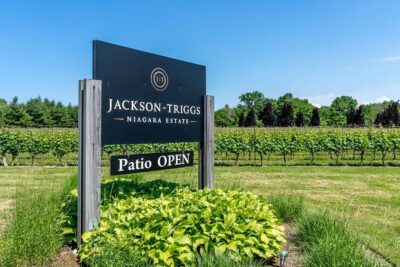
Full-Day Group Wine Tour (with cheese and charcuterie) in Niagara-on-the-Lake
Read our review →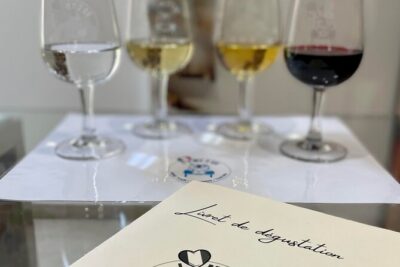
Tasting of 6 Bordeaux wines and pairing charcuterie & cheese
Read our review →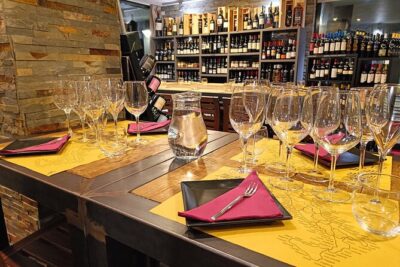
Taste of Lake Como: 4 Wines Paired with Local Cheese Charcuterie
Read our review →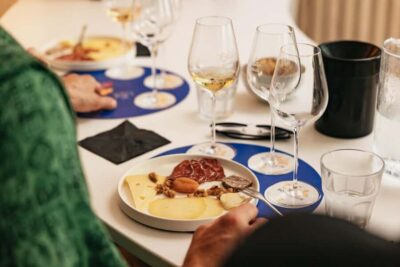
Wine Masterclass with Cheese and Charcuterie Board
Read our review →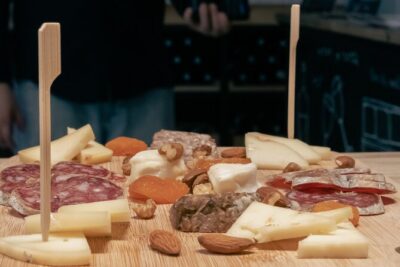
Introduction to Bordeaux wines paired with cheeses & charcuterie
Read our review →
Between the Lines Cheese and Charcuterie Picnic
Read our review →
Lazise: Wine Tasting with Charcuterie and Cheese Board
Read our review →Browse the lists this tour appears in