
REVIEW · WINE AND CHEESE TASTINGS
Orange & Natural Wines Of Greece with Cheese & Olive Oils
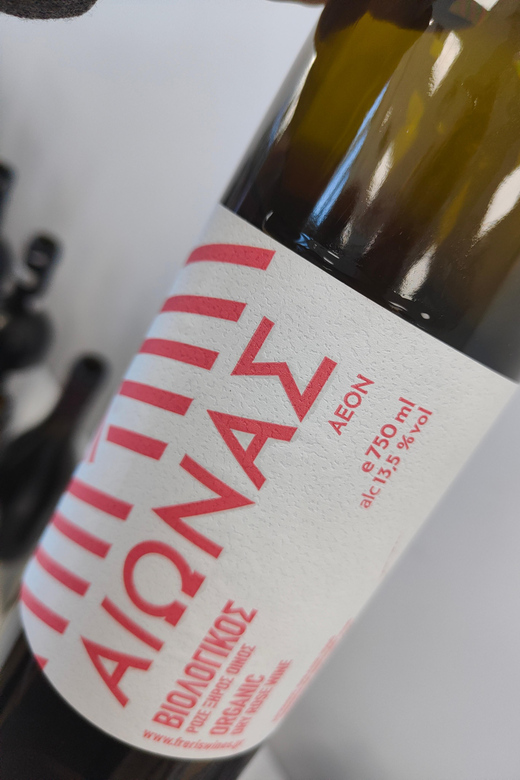
Greek wine has far more to offer than retsina. This one-hour tasting introduces you to six organic, biodynamic, natural, and orange wines, paired with small bites, herbs, spices, grape must, and extra virgin olive oil. It is a compact way to meet Greece through its less familiar bottles.
I like the focused selection of six wines, especially because some come from tiny bottlings of only 200 bottles. I also like the practical pairing advice, which helps you understand why a wine works with a particular food instead of simply swallowing a succession of samples. The main consideration is time: one hour goes quickly, so anyone hoping for a long meal or a full winery visit may find the format brief.
Anton, the host and wine shop owner, brings warmth and clear explanations to the table. The tasting is in English, costs $41 per person, and is aimed at adults interested in wine, Greek food, and the country’s old and new winemaking methods.
Key points at a glance
- Six unusual Greek wines: Taste organic, biodynamic, natural, and orange styles rather than a run of familiar commercial bottles.
- Anton’s approachable guidance: He explains grape varieties, production methods, flavors, and Greek wine regions in clear English.
- Food pairing with a purpose: Small ancient-inspired nibbles, cheese, herbs, spices, condiments, grape must, and olive oil show how wine and food affect each other.
- A lesson in extra virgin olive oil: The tasting includes olive oils and explains details you can use when choosing and serving oil at home.
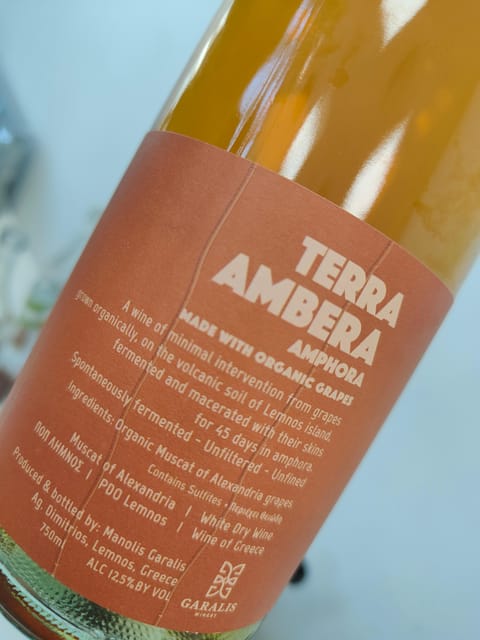
- Rare small-production bottles: Some wines are made in quantities as low as 200 bottles and may be available to buy or ship through the shop.
- A useful one-hour stop: At $41, the experience suits visitors who want a compact, guided introduction without giving up half a day.
Why this Greek wine tasting is different
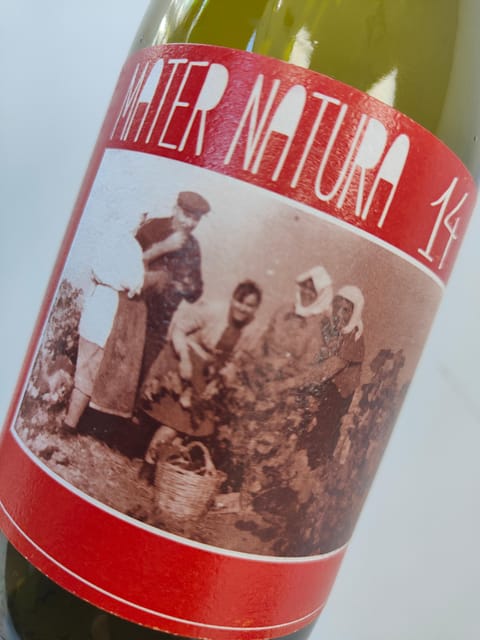
Many Greek wine tastings stay close to the country’s best-known grapes and standard cellar methods. This experience takes a more specific route. You taste wines made with organic, biodynamic, or natural approaches, along with orange wines that receive extended contact with grape skins and take on a different color and texture.
The point is not simply that these bottles are unusual. You get an explanation of why they taste different and how Greek conditions support this kind of production. The country has hot days, dry winds, and a large collection of indigenous grape varieties. More than 340 ancient varieties are noted in the experience, giving Greek winemakers plenty of material beyond the international grapes found almost everywhere.
You also hear how these wines can be made. Methods include clay amphorae, stainless steel, cement, limited oak influence, and long bottle ageing. That range matters because the container can affect texture, aroma, and the way a grape expresses itself. In one short session, you get a useful outline of both the old methods and the modern science behind them.
I especially like that the tasting does not treat natural wine as a passing fashion. The explanation presents it as a return to approaches that have long been connected with Greek wine culture, now supported by current knowledge and careful production.
More Wine and Cheese Tastings in Greece:
- From Chania: Olive Oil, Wine, Cheese & Honey Tasting Tour
★ 4.6 · 490 reviews - Athens: Acropolis Wine Tasting with Cheese and Olives
★ 4.9 · 337 reviews - Cheese & Wine Trails – Naxos
★ 5.0 · 29 reviews
Six glasses, six ways to read Greek wine
The central part of the hour is the six-wine flight. The exact bottles can vary, and no fixed grape list is provided, so you should not book expecting one named label or one guaranteed vintage. That flexibility is useful for a small wine shop handling limited quantities, but it also means the tasting is shaped by what is available.
You can expect the selection to include wines described as organic, biodynamic, natural, or orange. These categories overlap in places, but they do not all mean the same thing. Organic concerns farming and permitted production practices. Biodynamic farming follows a broader system of agricultural principles. Natural wine usually points to low-intervention cellar work, though the term has no single universal definition. Orange wine describes a style made with white grapes and extended skin contact.
A good host needs to explain those differences without turning the hour into a lecture. Anton appears to do that well. His English is strong, and his explanations are described as accessible, with room for questions about flavor and history. That is important here because natural and orange wines can be unfamiliar even to people who already drink wine regularly.
One particularly useful feature is the attention to small-production bottles. Some are made in quantities as low as 200 bottles. That gives the tasting a sense of discovery, but it also means availability can be limited. If you find a bottle you love, ask about buying or shipping it before you leave. The shop handles exclusive bottles, though the supplied information does not specify shipping destinations, fees, or delivery times.
Orange wine may be the surprise of the hour
Among the six pours, the orange wine may be the most memorable for many people. Its color and texture can be different from what you expect from a white wine, and it often gives a tasting a clear talking point.
The experience does not promise a particular orange wine, so I would not treat it as a guaranteed single-bottle tasting. Still, its inclusion shows that the selection is meant to stretch your palate. If you normally choose crisp whites or familiar reds, an orange wine can make you pay closer attention to tannin, weight, savory notes, and the effect of food.
One guest especially enjoyed the orange wine, while also finding the other five worthwhile. That is the right expectation to carry in: you may have a favorite, but the point is to compare the set and see how each style behaves beside food.
Pairings that explain more than a cheese plate
The food is not just there to keep you from tasting on an empty stomach. Small nibbles are matched with the wines, and the selection includes cheese, herbs, spices, condiments, concentrated grape must, and extra virgin olive oil.
This is where the tasting becomes practical. A wine can seem sharp, heavy, flat, or overly intense on its own, then change when paired with the right bite. The host uses the idea that powerful flavors work well with powerful flavors, while complex wines need food with enough character to meet them. You leave with a better sense of why pairing rules are useful, even when they should not be treated as strict laws.
The use of grape must is a particularly Greek touch. Concentrated must is made from grape juice and can bring sweetness and depth to a pairing. It gives you another way to think about grapes beyond the finished wine in your glass.
The small portions also suit the one-hour format. You get enough food to compare the wines without turning the event into a full meal. If you are hungry, plan to eat separately before or after. The information promises nibbles, not lunch or dinner.
A few more cheese tours around Greece worth a look
- Crete: Farm Visit with Cheese Tasting and Milking Experience
★ 4.9 · 109 reviews - Cheese and Wine Tasting (Guided Tour INCLUDED)
★ 4.5 · 14 reviews - Beer Tasting Evening Experience in Athens with Greek Cheeses
★ 5.0 · 14 reviews - Naxos Mythology & Ancient Sites Tour with Cheese & Wine
★ 4.5 · 12 reviews
Extra virgin olive oil gets its own lesson
The olive oil portion adds value because it broadens the tasting beyond wine. Greece is closely tied to olive cultivation, and extra virgin olive oil can vary in aroma, bitterness, pepperiness, and balance. The experience focuses on the hidden secrets of the oil, giving you a chance to taste it alongside food and wine rather than treating it as a background ingredient.
That can be surprisingly useful at home. You learn to notice that olive oil is not just a neutral liquid for dipping bread. Its character can affect a dish and can either support or compete with a wine. Pairing it with herbs, spices, cheese, or condiments makes the lesson easier to remember.
The supplied details do not name specific olive varieties, estates, harvest dates, or tasting measures. So you should see this as an introduction to Greek extra virgin olive oil, not a technical olive-growing seminar. It is still a worthwhile addition, particularly if your trip includes food shopping and you want better guidance when choosing a bottle.
Anton’s role makes the short format work
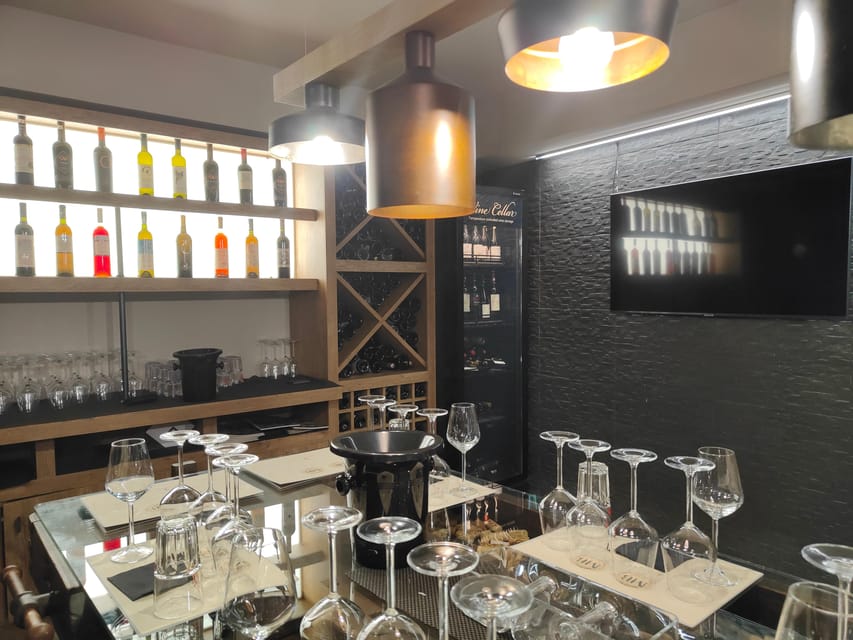
The host matters a great deal in a one-hour tasting. Six wines can feel rushed if each glass receives only a few vague comments. Anton is described as a passionate wine merchant who can explain Greek wines, winemaking choices, and the islands behind the bottles in a friendly way.
His strongest quality appears to be communication. You do not need a strong wine vocabulary to follow the session, and you can ask about flavors without feeling tested. That makes the tasting suitable for curious beginners as well as people who already know the basics.
He also offers recommendations for other wineries during a Greek trip. That is useful if you are building a wine-focused route and want ideas beyond this single stop. Keep in mind that these are recommendations rather than included visits. The activity itself lasts one hour and does not state that transportation to other wineries is provided.
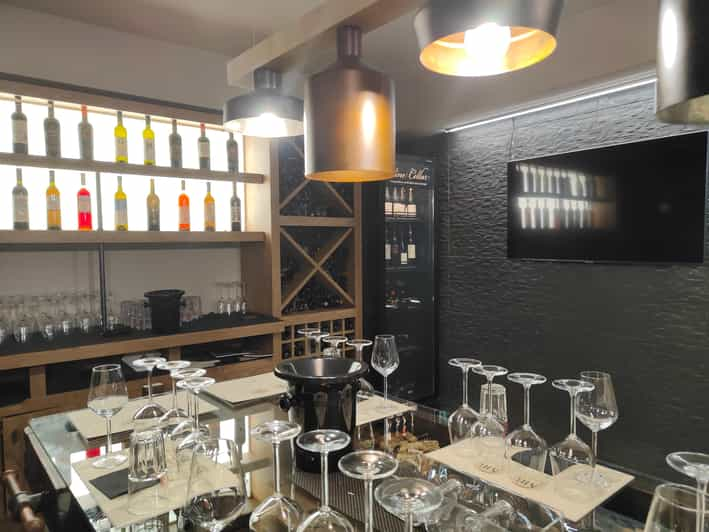
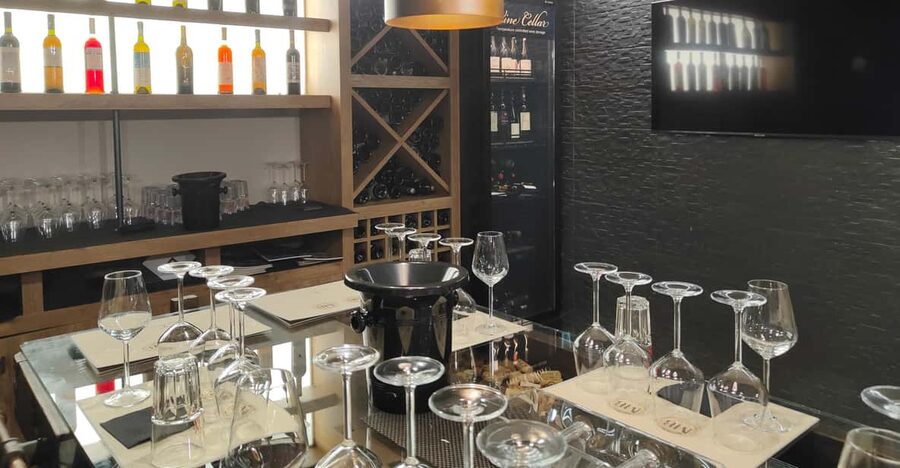
The setting appears connected to the CRU BEE-HAVING Wine & Olive Oil Tastings shop. That is a different experience from standing in a vineyard or touring a production cellar. You will not be promised a view of vines, a barrel room, or a walk through the countryside. In exchange, you get a controlled setting designed around tasting, explanation, and access to bottles that may be hard to find elsewhere.
What the $41 price really covers
At $41 per person, the price works out to about $6.83 for each wine before you place any value on the food, olive oil, instruction, and access to specialist bottles. That is a fair price for a guided flight of six unusual wines, particularly when the session is led by a professional sommelier and includes several pairing elements.
The value is strongest if you are interested in learning. You are paying for selection and context, not simply liquid in six glasses. The history of Greek wine, the importance of organic and natural production, the role of indigenous grapes, and the details of olive oil all make the hour more useful than an unstructured tasting.
The price is less attractive if you want a large meal, a long social event, or a winery tour. The session is short, and the food is described as nibbles. You should budget separately for any bottles you decide to buy, too.
For a first or last-day activity in Central Greece, I think the cost is easy to justify. It can help you choose bottles for a picnic, a hotel room, or the trip home. It also gives you language for discussing Greek wine in restaurants and shops.
Timing, age limits, and planning advice
The duration is exactly one hour, with starting times based on availability. That makes it easy to fit between other plans, but you should arrive ready to begin. A six-wine tasting with food pairings has enough material to fill the hour without much spare time.
The activity is for adults aged 18 and over. The provided information also lists a maximum age of 95, an unusual restriction that may matter when booking for an older family member. Children cannot take part.
English is the stated language, and the host’s English has been praised as excellent. If you are comfortable discussing wine in English, you should be able to follow the explanations and ask questions.
You can reserve now and pay later, which helps if your Central Greece schedule is still changing. Free cancellation is available up to 24 hours before the experience for a full refund. Those terms are helpful, but you should still check the current start time and cancellation conditions when booking.
Who will enjoy this tasting most
I would recommend it most strongly to:
- Wine drinkers who want to try Greek grapes and small-production styles
- People curious about orange and natural wine
- Visitors who care about organic or biodynamic farming
- Food lovers interested in olive oil and pairing
- Couples or friends looking for a short, adult-only activity
- Anyone planning to visit Greek wineries and wanting a little background first
It is also a good choice for people who think they dislike Greek wine because their only reference is a basic restaurant pour. The selection may give you a broader picture of what the country produces.
I would be more cautious if you need a full meal, want a vineyard setting, or dislike wines with unusual texture and production methods. The tasting is designed to introduce you to styles outside the ordinary. That is its strength, but it may not suit someone seeking only familiar, polished wines.
Should you book Orange and Natural Wines of Greece?
Book it if you want a concise, thoughtful introduction to modern Greek wine with a clear connection to older traditions. The combination of six wines, small bites, olive oil, and Anton’s guidance gives you more than a basic sample flight. The limited-bottle angle also makes it appealing if you enjoy finding bottles that are unlikely to appear on every restaurant list.
Skip it if your priority is a full meal, a vineyard visit, or a long afternoon outdoors. For everyone else, $41 is a sensible price for an hour that can sharpen your palate, improve your food-pairing instincts, and point you toward the less familiar side of Greece’s wine culture.
FAQ
How many wines are included?
Six wines are included. They are described as organic, biodynamic, natural, or orange wines.
What food is served with the wine?
The tasting includes nibbles, cheese, herbs, spices, condiments, concentrated grape must, and extra virgin olive oils.
Is the tasting conducted in English?
Yes. English is the stated language, and the host provides the tasting in English.
How long does the experience last?
The tasting lasts one hour. Starting times depend on availability.
Is the experience suitable for children?
No. People under 18 cannot take part.
Can I buy the wines after tasting them?
Some limited-production wines are available exclusively through the shop to buy or ship. Specific shipping destinations and costs are not provided.
Can I cancel and receive a refund?
Yes. You can cancel up to 24 hours in advance for a full refund. You can also reserve now and pay later.
Just added around Greece
- Naxos Mythology & Ancient Sites Tour with Cheese & Wine★ 4.5 · 12 reviews
- Naxos Farm Experience and cheese making★ 5.0 · 5 reviews
- Cheese and Wine Tasting (Guided Tour INCLUDED)★ 4.5 · 14 reviews
- Ios: Cooking Experience with Cheese and Wine Tasting★ 5.0 · 6 reviews
- Culture & Taste Tour★ 5.0 · 6 reviews
- Cretan Farm Tour with Cheese-Making, Olive Oil Tasting & Picnic★ 5.0 · 10 reviews
- Cheese and Wine Tasting Tour From Chania★ 5.0 · 7 reviews
- Explore Shepherd’s Hut and Cheese Making Process★ 5.0 · 2 reviews
Wine and Cheese Tastings, compared.

Classic Saloon Boat Cruise with Cheese & Wine
Read our review →
Montmartre Cheese, Wine & Pastry Guided Walking Tour
Read our review →
Evening Candle Light Cruise With Wine & Cheese
Read our review →
Amazing Yarra Valley Wine Tour + Chocolate, Farm Fresh, Gin
Read our review →


Private Montmartre Food Tour with Wine, Cheese & Pastries
Read our review →
Paris Le Marais Food Tour With 10+ Tastings, Cheese, Wine & More
Read our review →Browse the lists this tour appears in