
REVIEW · DAIRY FARM AND CHEESE FACTORY VISITS
Pienza: Dairy Farm Tour with Pecorino Cheese Tasting
Cheese tastes better at its source. This two-hour dairy farm visit brings you into the hills around Pienza, where sheep graze on local herbs and their milk becomes Pecorino, one of Tuscany’s signature foods. I like the mix of farm life and food tasting, especially the chance to compare fresh, semi-aged, and mature cheese side by side.
I also like the setting in the Val d’Orcia, a UNESCO World Heritage Site, and the personal feel of meeting people who make the cheese. The main drawback is practical: transportation is not included, and the exact dairy farm is sent only after booking, so you need to plan your own way there.
Key points before you book
- Pecorino at three stages: Taste fresh, semi-seasoned, and fully aged cheese to see how time changes its texture and flavor.
- A real working farm: You learn how sheep, pasture, milk, aging, and farm production connect.
- Val d’Orcia views: The dairy farm sits in the Tuscan hills, with countryside views that add plenty to the short visit.
- Wine and local pairings: Tastings may include wine, olive oil, cold cuts, honey, jams, and other farm products.
- Friendly English-speaking hosts: Guides including Julia, Giuseppe, Andrea, Leanna, and Michael have been praised for making the visit clear and lively.
- Bring your own transport plan: No shuttle is included, and the meeting point arrives after confirmation.
Why Pecorino makes sense in Pienza
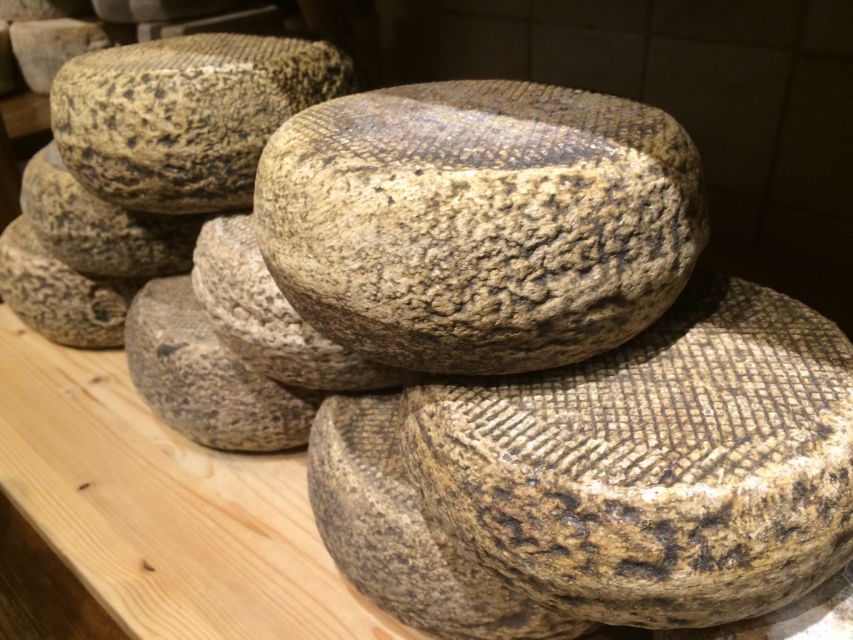
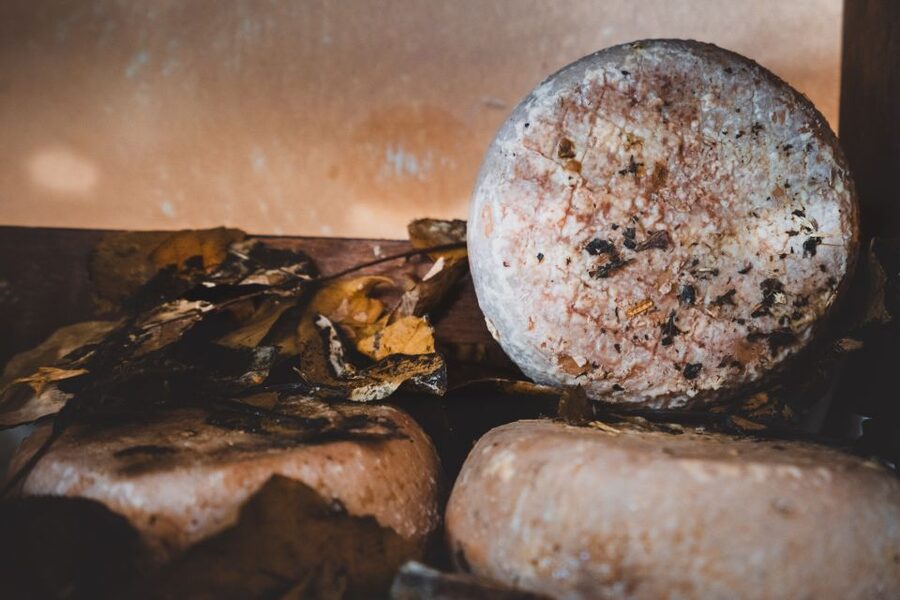
Pecorino means sheep’s milk cheese. In Pienza, the cheese takes its character from the sheep and the plants they eat in the Val d’Orcia hills. That point matters because this is not simply a cheese shop tasting. You get an explanation of how the farm’s setting affects the final product.
The sheep graze on local herbs, producing milk with a particular flavor. That milk is then processed and aged in different ways. During the visit, you can see how the process moves from fresh milk to a firm cheese with a stronger taste.
Pienza is closely associated with Pecorino, so this experience fits well into a visit to the town and its surrounding countryside. If you have already seen Tuscany’s churches, hill towns, and vineyards, this gives you another angle: food made from the land and animals around you.
I find the farm setting more useful than a standard tasting counter. You are not only told that one cheese is young and another is old. You can connect the taste with the production method, the aging period, and the farm itself.
More Cheese Farm Visits in Italy
- Authentic Farm Tour with Pizza, Cheese, Wine & Limoncello Tasting
★ 5.0 · 698 reviews - Sorrento: Farm Tour with Cheese Tasting & Pizza Making Class
★ 5.0 · 503 reviews - Parma: Traditional Cheese Factory Visit with Tasting
★ 4.9 · 225 reviews
Arriving at the dairy farm in the Val d’Orcia
The exact farm is communicated after you book. Pay attention to the message sent through GetYourGuide and to WhatsApp if you provide your number. This is an important detail, since the general meeting point is not a fixed public address shown in advance.
Because transportation is not included, you should arrange your own route. A car is the simplest option for reaching a rural farm in the hills, though the provided information does not specify a shuttle, public bus, or pickup service. I would not book this as a casual stop between train connections unless you have checked the route carefully.
The setting is one of the experience’s strongest features. You look out over the Val d’Orcia countryside while learning about sheep and cheese, rather than spending the entire visit indoors. One January visit was praised for its views, and another farm visit remained enjoyable even in rain. That suggests the scenery contributes to the experience in every season, although the weather will affect how much time you want to spend outside.
Some visits have taken place at Podere Il Casale, a family-run farm near Pienza. At that farm, the visit included a wider explanation of the farm’s ecological system, along with cheese, wine, olive oil, and other food products. Since the confirmed farm is sent after booking, you should treat Podere Il Casale as a possible setting rather than a guaranteed destination for every reservation.
What happens during the farm visit
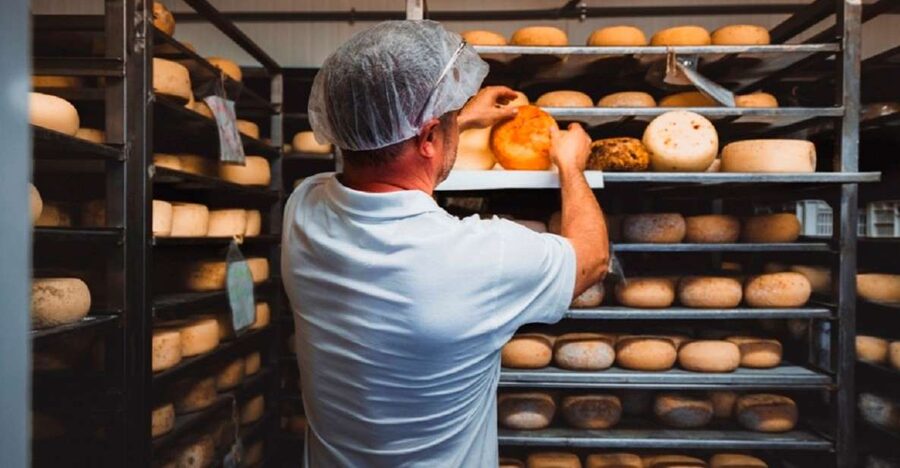
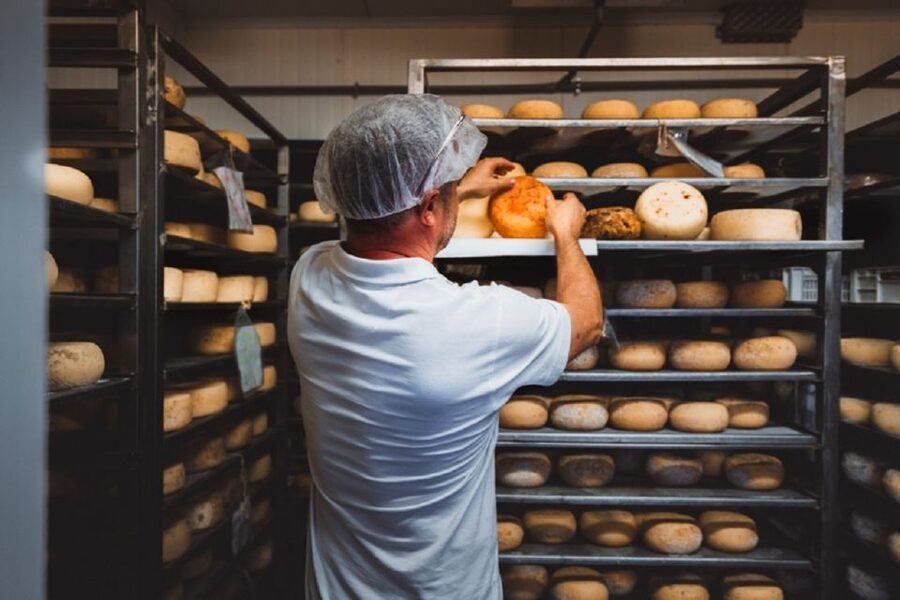
The tour begins with an introduction to the dairy farm and its production methods. You learn how the farm handles cheese processing and how the different stages lead to different Pecorino styles.
The visit can also include a look at the animals and their living conditions. One person wanted to see more of the goats and noted that the animals were kept in a barn. That is useful to know if you are picturing a hands-on animal visit with sheep wandering around the property. The focus is cheese production, not an extended petting-farm session.
You may see the cheesemaking area and hear how the milk is treated, shaped, and aged. The details can vary with the host and the farm, but the central lesson remains the same: fresh Pecorino is softer and milder, while older cheese becomes firmer and more intense.
The best guides add local context instead of simply naming the cheese types. Julia was praised for her humor and clear explanations. Giuseppe was described as entertaining and informative, while Andrea and Leanna were noted for making the visit engaging. Michael, who hosted a visit at Podere Il Casale, explained how the farm’s different parts work together to affect the cheese.
That personal approach matters. A short two-hour activity can feel rushed if the guide only lists facts. Here, the strongest accounts describe hosts who explain the farm, answer questions, and keep the pace friendly.
Tasting fresh, semi-aged, and mature Pecorino
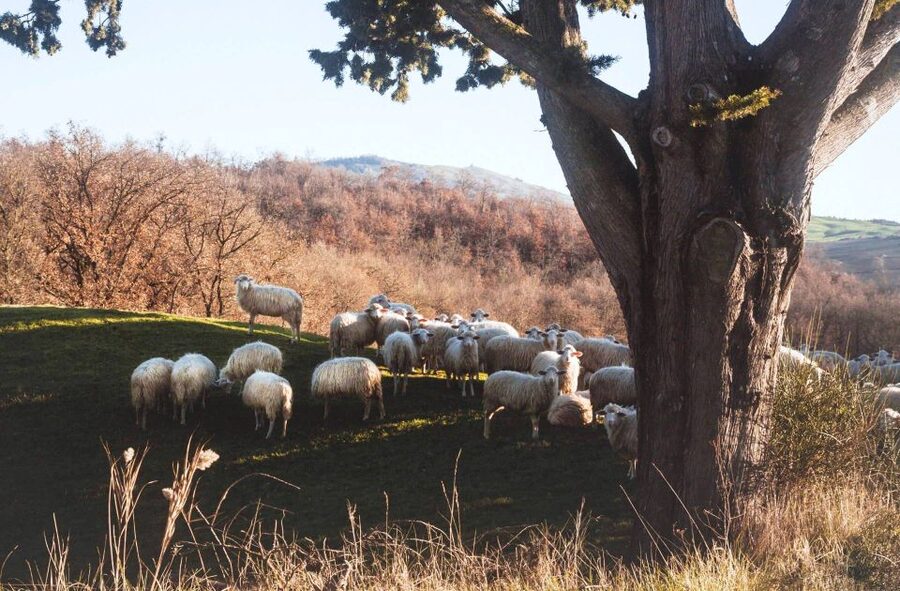
The tasting is the main event. You receive several kinds of cheese from Pienza at different stages of maturation. This lets you compare texture, aroma, and strength without relying on a shop label.
Fresh Pecorino tends to be the gentler starting point. It gives you the milky side of sheep’s cheese. Semi-aged versions offer more firmness and a fuller taste, while mature Pecorino has the strongest character and a more concentrated texture.
I like this progression because it teaches you how to taste rather than asking you to accept a guide’s verdict. You can decide which style suits you. Some people prefer the soft, mild version for a light snack. Others want the mature cheese, especially with wine or a sweet pairing.
The cheese may be served with honey or jams. These pairings are not just decorative. Sweet flavors can soften the sharper edge of aged cheese, while the cheese gives the honey or fruit spread a salty counterpoint. The tasting may also include cold cuts, as well as wine produced or selected by the farm.
Several visits included generous plates of cheese, meats, and wine. The amount and exact selection can vary, so you should not assume every booking includes a full meal. Still, the tasting sounds substantial enough to feel like more than a token sample.
Same region, a different board:
- Sorrento Farm by Tuk Tuk: Cheese, Limoncello & Hands-On Pizza
★ 5.0 · 628 reviews - Tour Parmigiano Reggiano dairy and Parma ham
★ 5.0 · 601 reviews - Parma: Parmigiano Production and Parma Ham Tour & Tasting
★ 4.9 · 554 reviews - Cooking class with Pasta, mozzarella and Tiramisu with wine
★ 5.0 · 549 reviews
Wine, olive oil, and the possibility of lunch
Wine is frequently part of the tasting experience described at the farm. It gives you a natural way to compare the cheese styles and adds to the relaxed, social feel of the visit. The wine is not listed as a separate guaranteed inclusion in the basic details, so consider it a likely feature of the tasting rather than a promise of a full wine tour.
At Podere Il Casale, the food experience went beyond Pecorino. The tasting included wine and olive oil, and some people stayed for lunch. The food and wine were praised, and gluten-free needs were accommodated during one lunch visit.
Lunch is not included in the stated two-hour tour, so you should not build it into your schedule without checking first. If the farm offers a meal or has food available after the tasting, it could turn a short outing into a longer countryside stop.
You may also find olive oil, balsamic products, wine, and cheese available to buy. One useful criticism was that an on-site opportunity to purchase cheese would have been welcome. If shopping matters to you, ask what is available before you arrive, rather than assuming every farm has the same store or stock.
Is two hours enough?
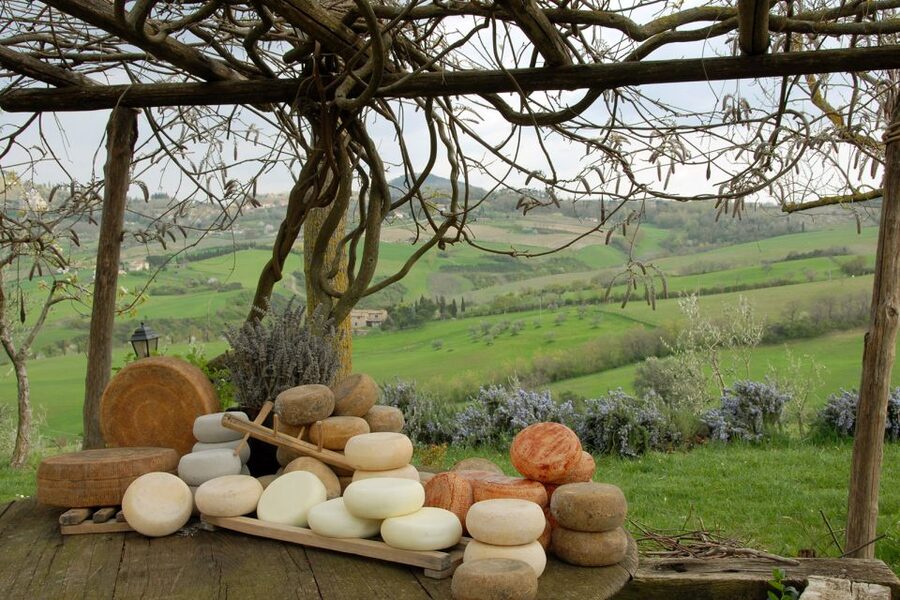
Two hours is a sensible length for this activity. It gives you time for the farm introduction, cheesemaking explanation, and tasting without taking up an entire day in Tuscany.
The short duration works well if you are touring Pienza, Montepulciano, or other parts of the Val d’Orcia and want to add one focused food experience. It is also a good choice for families or mixed-interest groups because the visit includes scenery, animals, practical production details, and food.
The limit is that you should not expect a full agricultural workday. You will not learn every part of sheep farming or cheese production in two hours. You may see the production space and animals, but the experience is centered on explanation and tasting.
If you are deeply interested in cheesemaking, ask questions early. The guide’s time is limited, and the tasting can easily take up the second half of the visit. I would especially ask about the aging period, the sheep’s diet, and the differences between fresh and mature Pecorino.
The guides make a real difference
The human side of this tour receives strong praise. Guides named Julia, Giuseppe, Andrea, and Leanna were all described as warm, clear, and engaging. One guide spoke very good English and explained both the cheese and the surrounding area.
The experience is offered in English and Italian. English-speaking visitors should be comfortable with the tour when an English host is assigned, though the exact guide can vary.
A good guide can turn a plate of cheese into a useful lesson. You learn what to notice, why the cheeses differ, and how the farm’s climate and animals affect the food. That is why I would place more value on the explanation than on the number of cheese pieces served.
The family-run character also adds something. You are meeting people involved in production, not only a salesperson presenting a branded product. At Podere Il Casale, the farm’s owner took part in the experience and explained how the wider farm system supports the cheese.
What the $77 price includes
At $77 per person, the tour is not the cheapest way to taste Pecorino. The price makes more sense if you value the farm visit, the guide’s explanation, the countryside setting, and the tasting together.
Included are the dairy farm visit and cheese tasting at different stages of maturation. The tasting may also include wine, cold cuts, honey, jams, or other farm foods, based on the experience described at several visits. Transportation is not included.
The value is strongest for people who want context with their food. If you only want to buy cheese, a shop in Pienza will cost less and take less time. If you want to understand how the cheese is made and see the place where it begins, the fee is easier to justify.
The price can be especially worthwhile if you stay for an optional lunch, though lunch is not part of the stated package. Ask about extra food, farm products, and shopping before you arrive so you know what the final cost may be.
Who should book this experience?
I would recommend it to food-focused visitors, couples, families, and anyone spending time in the Val d’Orcia. It works particularly well for people who like meeting local producers and prefer a small, specific activity over a broad sightseeing tour.
It is also a good choice if you want a break from churches and museums. You spend time outside, learn about a local product, and eat something directly tied to the area.
You may want to skip it if you do not have transportation arranged, dislike rural detours, or expect a hands-on animal encounter. The animal viewing may be limited, and the confirmed farm location arrives only after booking.
Wine lovers should also note that wine often appears with the tasting, but this is not primarily a winery tour. The focus is Pecorino and the dairy farm.
Booking and cancellation tips
After booking, check your email, the GetYourGuide chat, and WhatsApp if you supplied a number. The farm address is communicated after confirmation, and missing that message could make a rural meeting point harder to find.
The activity offers free cancellation up to 24 hours before the start time, with a full refund. You can also reserve now and pay later, which helps if your Tuscany route is still changing.
Starting times depend on availability. Since the experience lasts two hours and transportation is your responsibility, leave enough time around it for driving and finding the farm.
Should you book Pienza’s Pecorino farm tour?
Book it if you want to taste Pecorino where it is made, enjoy Tuscan countryside views, and learn from a host who can connect sheep, pasture, milk, and aging. The strongest part is the combination of a working farm and a well-presented tasting, with wine and local products often adding to the table.
Think twice if you want a guaranteed animal-heavy visit, a fixed meeting point, or included transportation. For most food lovers with a car and an interest in local production, $77 is fair for a focused two-hour experience in one of Tuscany’s prettiest areas.
FAQ
Where does the Pienza Pecorino cheese tour take place?
The tour takes place at a dairy farm in the hills of the Val d’Orcia near Pienza. The exact farm and meeting point are communicated after booking confirmation.
How long does the tour last?
The experience lasts two hours.
What is included in the price?
The package includes a visit to the dairy farm and a tasting of Pienza cheese at different levels of maturation.
Is transportation included?
No. Transportation to the dairy farm is not included.
Which languages are available?
The experience is offered in English and Italian.
Will I taste different types of Pecorino?
Yes. The tasting includes Pecorino at different maturation stages, including fresh, semi-seasoned, and seasoned versions.
Is wine included?
Wine has been included with the tasting at some farm visits, but the stated inclusions specifically guarantee the farm visit and cheese tasting. Ask for the current tasting details if wine is important to you.
Can I see the animals?
The farm visit can include information about the sheep and their living conditions. Animal access may vary, and the focus is cheesemaking rather than a dedicated animal encounter.
Can I stay for lunch?
Some farm visits have offered lunch after the tasting, but lunch is not included in the stated two-hour package. Check with the farm before planning to eat there.
What is the cancellation policy?
You can cancel up to 24 hours before the activity for a full refund. Reserve-now, pay-later booking is also available.
Just added around Italy
- Wine Tasting with Cured Meats & Cheeses in Florence★ 5.0 · 2 reviews
- Tuscany: Ripalte Design Winery Wine and Cheese Tasting Tour★ 4.7 · 15 reviews
- Vico Equense: Tour in the dairy “Mozzarella Experience”★ 5.0 · 19 reviews
- From Parma/Cinque Terre: Truffle & Parmesan Picnic (Tasting)★ 5.0 · 2 reviews
- Turin: Gastronomy tasting through oil, wine and cheese★ 5.0 · 2 reviews
- Full Day Prosecco and Cheese Tasting from Venice★ 5.0 · 9 reviews
- Premium Cheeses and Gins Tour in the Prosecco hills. Full lunch!★ 5.0 · 3 reviews
- The Valpolicella food & wine driving tour: cheese factory+ winery★ 5.0 · 6 reviews
Dairy Farm and Cheese Factory Visits, compared.
Authentic Farm Tour with Pizza, Cheese, Wine & Limoncello Tasting
Read our review →
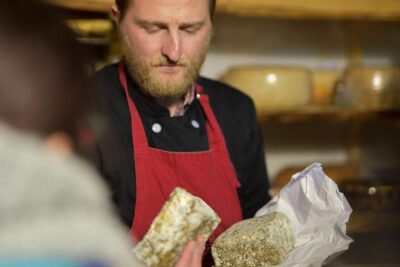
Paris Art of Pairing Cheese and Wine Tasting in a Cheese Cellar
Read our review →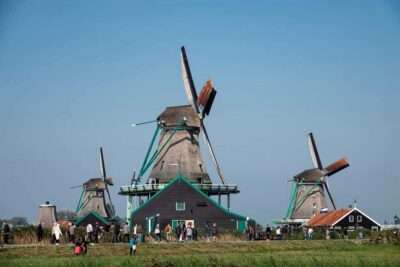
Experience Zaanse Schans Windmills & Cheese Farm
Read our review →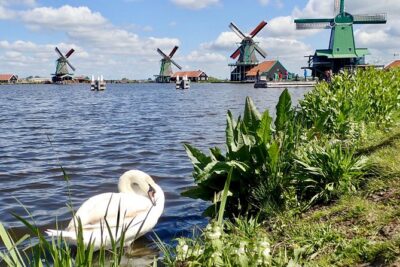
Amsterdam private tour to windmills, cheese farm and villages
Read our review →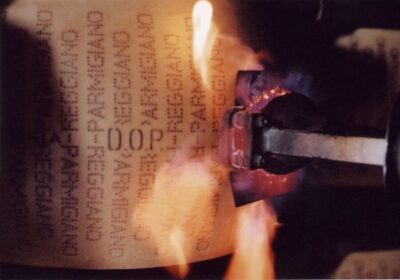
Rhine Falls, Chocolate & Cheese Factory Day Trip
Read our review →
Parmigiano Reggiano Farm Tour & Tasting with Transfer
Read our review →Browse the lists this tour appears in