
REVIEW · CHEESE AND CHARCUTERIE BOARDS
Budapest: Wine, Cheese, and Charcuterie Tasting
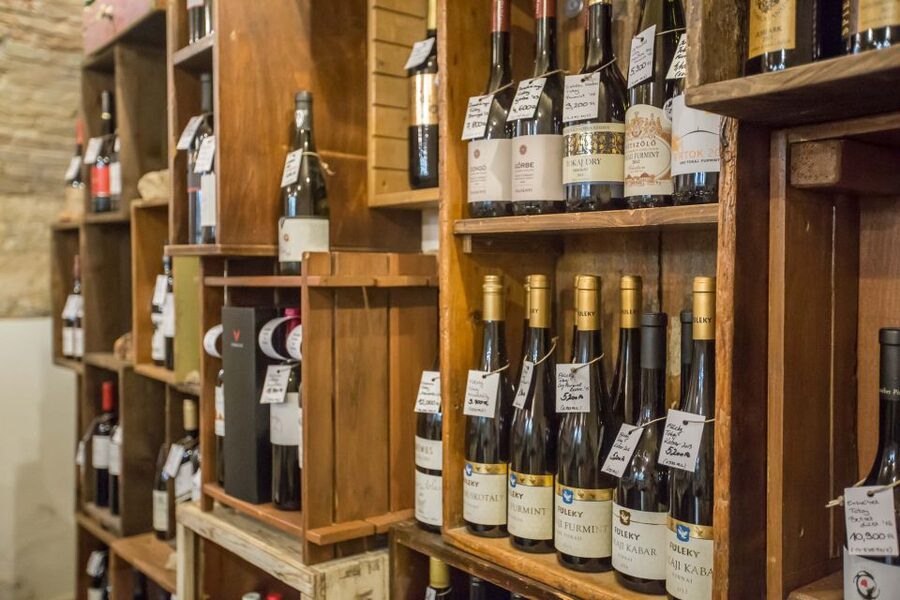
Wine can be Budapest’s best surprise. This 90-minute tasting gives you a friendly introduction to Hungarian wine, with five glasses, artisan cheese, and local charcuterie in a central tasting room. I especially like the focus on lesser-known Hungarian grapes and the final sweet wine from Tokaj. The main consideration is simple: you need to enjoy wine, since the tasting includes five glasses rather than tiny samples.
The setting near the National Museum makes this easy to fit into a sightseeing day. I also like the relaxed teaching style, which seems to work for both wine beginners and serious drinkers. Still, the $50 price is less attractive if you want a full meal, since additional food and drinks are not included.
Key points at a glance
- Five Hungarian wines: Expect a broad introduction to local regions, grapes, and styles, ending with sweet Tokaj wine.
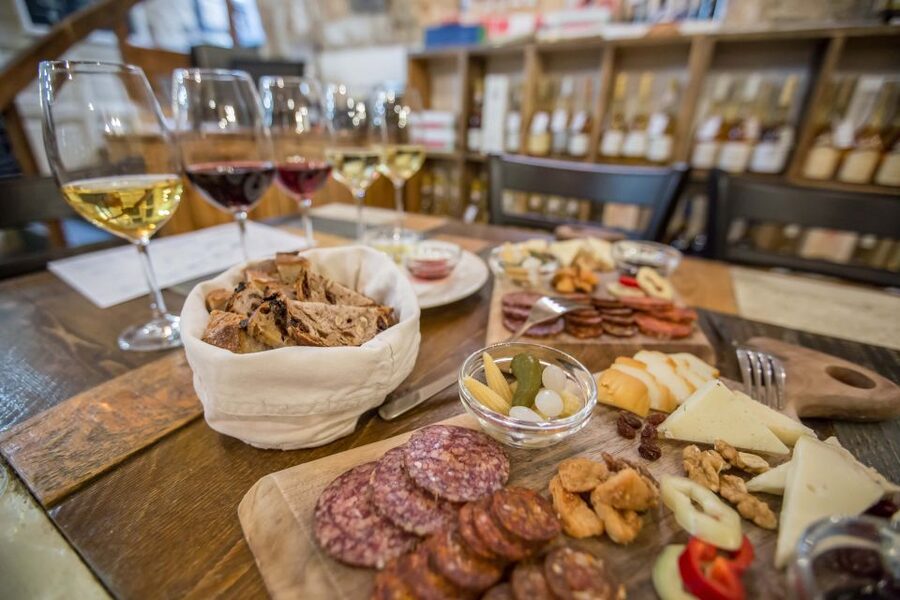
- Local pairings: The board can include Mangalica sausage, water buffalo salami, smoked duck breast, grey beef sausage, and artisan cheeses.
- Central location: The Tasting Table Budapest is only 150 meters from the National Museum and close to Astoria and Kálvin tér.
- A useful 90 minutes: This fits neatly between sightseeing stops, especially in the afternoon from 3:00 PM to 5:00 PM.
- Friendly English guidance: Hosts such as Thomas, John, Jon, Sam, and Bence have been praised for clear explanations and good humor.
- Good for beginners: You do not need a serious wine background. The format is social, practical, and not overly formal.
Why Hungarian wine deserves an afternoon
Hungary is often better known for thermal baths, paprika, and grand cafés than for wine. That is a shame. The country has an old wine culture, several distinct growing regions, and grape varieties that you may not recognize from a standard European wine list.
This tasting gives you a useful starting point without asking you to spend a whole day outside Budapest. The sommelier explains the major wine areas, important grape varieties, local styles, and recent developments in Hungarian winemaking. That context matters because the names may be new to you, and tasting them without explanation can feel like reading a map without place names.
I like the emphasis on native Hungarian varieties and local styles. You may taste bottles that are difficult to find outside Hungary, which gives the afternoon a clear purpose. This is not simply a generic wine tasting with Hungarian labels added at the end.
More Cheese and Charcuterie Boards in the world:
- Hungarian Wine Tasting (with Cheese and Charcuterie) in Budapest
★ 5.0 · 531 reviews - Full-Day Group Wine Tour (with cheese and charcuterie) in Niagara-on-the-Lake
★ 5.0 · 349 reviews - Tasting of 6 Bordeaux wines and pairing charcuterie & cheese
★ 5.0 · 199 reviews
Arriving at The Tasting Table Budapest
The tasting takes place at The Tasting Table Budapest on Bródy Sándor utca 9 in District VIII. It is about 150 meters from the National Museum, so you can pair it with a visit there or use it as a pleasant break after exploring the surrounding streets.
The location is practical by public transport. It is roughly a five-minute walk from Astoria on metro line M2 and Kálvin tér on metro line M3. Trams 47 and 49 also stop at either area. You do not need to arrange a special transfer or travel out to the wine country for this introduction.
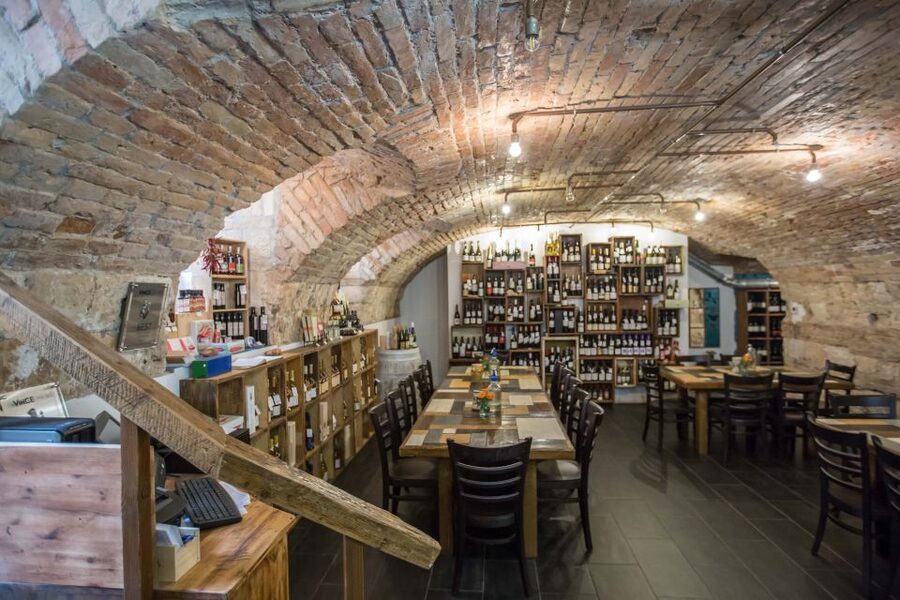
Several people have praised the room itself. Descriptions include an intimate, cozy cellar with old brick and arched details. That kind of setting suits the subject far better than a bright, modern restaurant. It feels like a place for sitting around a table, listening, tasting, and talking.
The venue is not presented as a grand cellar tour, so keep your expectations in check. The attraction is the tasting and instruction, not a long look at winemaking equipment or underground tunnels.
The first glass: getting your bearings
The session begins with an introduction to Hungarian wine. Your sommelier explains the basic map of the country’s wine areas and sets out what you will taste. You receive tasting sheets and a map of the Hungarian wine regions, which is useful if you want to remember a name later or find a bottle in a Budapest shop.
The teaching style appears to be one of the strongest parts of the experience. Hosts named Thomas, John, Jon, Sam, and Bence have all been praised for making the information clear and entertaining. The guide you meet will vary, but the format is designed around live English instruction.
I would not expect a lecture packed with technical language. The best descriptions of the experience point to a light, conversational approach, with enough detail to explain why each wine tastes the way it does. That suits a mixed group, since one person may know a good deal about wine while another may simply want to try something new.
You are also free to ask questions. That can make a real difference with Hungarian wine, where grape names and regional terms may be unfamiliar.
Five wines, five different ways to read Hungary
The tasting includes five glasses of Hungarian wine. Together, they are intended to show a range of regions, grape varieties, and styles rather than repeat one narrow category.
A typical structure described for the tasting includes two whites, two reds, and one dessert wine. The exact bottles can change, so you should think of this as a guided sample of Hungarian wine rather than a fixed menu.
The first wines help establish the basics. You might compare lighter and fuller styles, notice how acidity changes between bottles, or see how local grapes differ from the international varieties you already know. The point is not to memorize every label. It is to build a sense of what makes Hungarian wine distinct.
The reds are paired with stronger foods, which gives you a practical way to judge them. Instead of tasting a red wine alone and wondering what to make of it, you can try it with sausage or smoked meat and see how the pairing changes the flavor.
The final wine is a sweet wine from Tokaj. This is an important part of Hungary’s wine story, not a decorative afterthought. Tokaj is known around the world for its sweet wines, and ending with it gives the tasting a clear finish. If you usually avoid dessert wines, this is still worth trying because it shows a style strongly tied to the country.
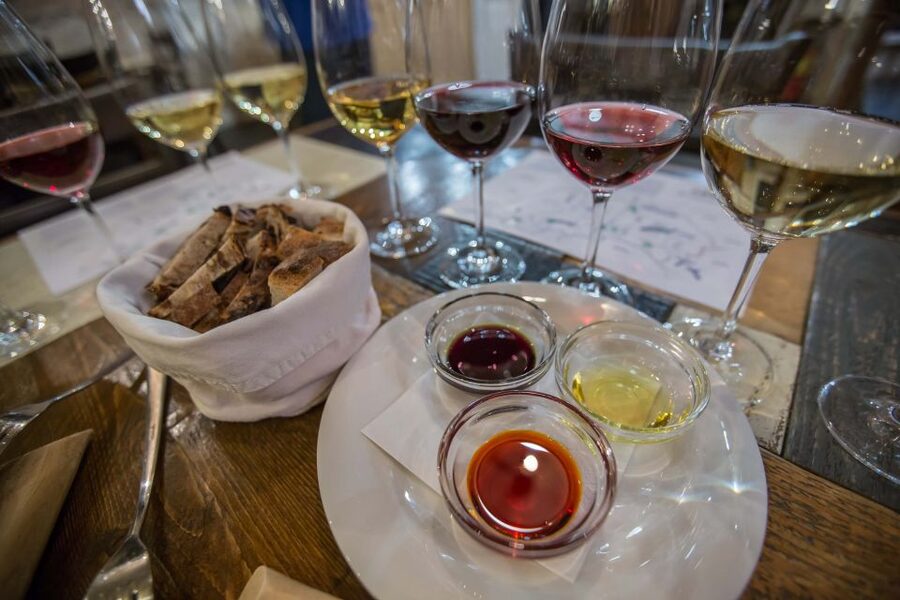
Five glasses over 90 minutes is a meaningful amount of wine. You should pace yourself and take advantage of the bread and water provided. If you want only a quick taste of each bottle, this may feel like more than expected.
More Wine and Cheese Tastings in the world:
- Amsterdam: Classic Saloon Boat Cruise with Cheese & Wine
★ 4.6 · 27,035 reviews - Paris: Montmartre Cheese, Wine & Pastry Guided Walking Tour
★ 4.8 · 2,255 reviews - Amsterdam: Evening Candle Light Cruise With Wine & Cheese
★ 4.6 · 1,774 reviews - Amsterdam: Cozy Cheese & Wine Cruise Tasting Experience
★ 4.5 · 1,156 reviews
The cheese and charcuterie board
Food is not just decoration here. The local cheese and charcuterie help explain how Hungarian wine works at the table.
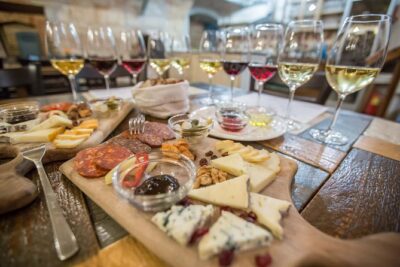
The board can include Mangalica pork sausage, free-range water buffalo salami, smoked duck breast, grey beef sausage, and several types of cheese. Mangalica is especially associated with Hungary, so it adds a distinctly local touch rather than giving you the usual plate of anonymous cured meats.
The pairings are handled alongside the wines, with different meats and cheeses matched to particular glasses. That makes the tasting more useful. You can see how salt, smoke, fat, and creaminess affect wine, instead of simply eating between pours.
Bread and artisan oils are also included. One particularly memorable detail from the food selection is pumpkin oil, which has surprised some people with its strong, nutty flavor. Bread, oil, and water are kept available during the session, adding comfort and helping you pace the wine.
Vegetarians are not left with an empty plate. One account specifically notes that the cheese selection worked well for a vegetarian participant, while another person at the same table enjoyed the meats. The food is not described as a full meal, though, so plan dinner separately.
One small improvement would be clearer labeling of every cheese and meat beside the wine names. You receive tasting sheets for notes and a regional map, but if you care about identifying a particular sausage or cheese, ask the sommelier while it is being served.
What the guide adds to the afternoon
The sommelier is the difference between five glasses of wine and a proper introduction to Hungary’s wine culture. A bottle list alone cannot explain the regional differences, the local varieties, or why Tokaj matters.
Thomas has received praise for explaining wine history and regions in an engaging way. John and Jon are also described as funny, clear, and easy to follow, while Sam and Bence have been singled out for friendly service. These names indicate that the team has several strong hosts, but they do not guarantee which person will lead your session.
The tone seems relaxed rather than stiff. You can expect information, but not a formal exam in wine vocabulary. That is good news if you are curious but not confident. You can listen for the broad ideas, taste at your own speed, and ask about anything that catches your attention.
The social side also matters. You sit around a table with people from different places, sharing food and comparing reactions to unfamiliar wines. The group setting can make the afternoon more enjoyable, though people seeking a private tasting should check whether a private option is available. No private format is specified here.
Is $50 a fair price?
At $50 per person, this is not the cheapest way to drink wine in Budapest. You could buy a bottle for less, especially if your only goal is alcohol. That comparison misses the point, though.
The price includes five glasses, a local cheese and charcuterie plate, bread, artisan oil, a sommelier-led lesson, tasting sheets, and a map of Hungary’s wine regions. You are paying for guided selection and explanation, not just the liquid in the glass.
The value is strongest if Hungarian wine is new to you. The session can save you from guessing among unfamiliar labels and may help you find a bottle you want to buy later. Some people have purchased a favorite wine after the tasting, and the shop makes that possible without pressure.
The value is weaker if you are looking for a full dinner or a long wine class. Additional food and drinks cost extra, and the session lasts only 90 minutes. For many visitors, that short length is a plus. It gives you a focused afternoon activity without taking over the day.
The best time to book this tasting
The tasting is offered on most days from 3:00 PM to 5:00 PM. That timing works well after a morning at the National Museum or a walk through central Pest. It can also serve as an early evening activity before dinner.
Because you will taste five wines, I would avoid booking it immediately before a demanding activity. Leave yourself time to sit, listen, and enjoy the food. The 90-minute duration is fixed enough to plan around, but the social pace means you should not expect to rush in and out.
The legal drinking age in Hungary is 18, and participants must be at least 18. Children under 18 cannot join.
Booking terms are traveler-friendly: you can reserve now and pay later, and cancellation is free up to 24 hours before the start for a full refund. A minimum of two participants applies, and the session can be canceled if that minimum is not met. If that happens, an alternative or full refund is offered.
Who will enjoy it most?
I would recommend this to anyone who wants more than a standard Budapest meal but less than a full countryside wine excursion. It suits couples, small groups, solo visitors comfortable sharing a table, and curious beginners.
It is especially good for:
- People who want to understand Hungarian wine before buying bottles
- Wine drinkers interested in unusual local grapes
- Food lovers who enjoy cheese, cured meats, and regional products
- Visitors with an afternoon free near the National Museum
- Beginners who prefer friendly explanations over formal instruction
You may want to skip it if you dislike wine, need a large meal, or prefer a private and highly structured tasting. The food is generous enough to support the wines, but it is not advertised as lunch or dinner.
My verdict on the Budapest wine tasting
I like this experience because it gives Hungarian wine a clear place in your Budapest plans. The central location is easy, the room sounds atmospheric, and the food goes beyond standard salami and cheese. Most important, the sommelier helps you understand what you are tasting.
The strongest feature is the balance between instruction and fun. You can learn about regions, varieties, and Tokaj without feeling trapped in a classroom. The main weakness is that the exact wine lineup and guide may vary, and $50 is a lot if you want only a few sips.
Book it if you want a focused afternoon of local wine and food, especially if Hungarian bottles are new to you. Skip it if you are seeking a full meal, a vineyard visit, or a private tasting. For most curious adults, it is a smart way to add a distinctly Hungarian flavor to a central Budapest itinerary.
FAQ
Where does the Budapest wine tasting take place?
It takes place at The Tasting Table Budapest, Bródy Sándor utca 9, 1088 Budapest, in District VIII.
How long does the tasting last?
The experience lasts 1.5 hours.
How many wines are included?
Five glasses of Hungarian wine are included.
Does the tasting include Tokaj wine?
Yes. The final wine is a sweet wine from Tokaj.
What food is included?
You receive a local cheese and charcuterie plate, along with bread and artisan oil.
What types of charcuterie might be served?
The selection may include Mangalica pork sausage, free-range water buffalo salami, smoked duck breast, and grey beef sausage.
Is the tasting conducted in English?
Yes. The live tour guide speaks English.
Is the tasting suitable for people under 18?
No. Participants must be at least 18, which is the legal drinking age in Hungary.
How do I reach the tasting room by public transport?
The venue is about a five-minute walk from Astoria on metro line M2 and Kálvin tér on metro line M3. Trams 47 and 49 also stop at Astoria and Kálvin tér.
Can I cancel for a refund?
Yes. You can cancel up to 24 hours in advance for a full refund. You can also reserve now and pay later.
Just added around the world
- Zurich: Lucerne Trip, Igloo Fondue and Titlis Rotair Option★ 4.9 · 5 reviews
- Zurich Open-top Tour and Chocolate and Cheese Countryside★ 3.5 · 11 reviews
- Amsterdam: Zaanse Schans E-Bike Tour with Windmills & Cheese★ 4.5 · 12 reviews
- Zaanse Schans & Volendam Private Tour: Windmills and Cheese★ 5.0 · 5 reviews
- Zermatt: Outdoor fondue “group experience under the stars”★ 4.7 · 3 reviews
- Wine & Cheese Afternoon Wine Tours in NOTL★ 4.9 · 24 reviews
- Wine Tasting with Cured Meats & Cheeses in Florence★ 5.0 · 2 reviews
- Wine Masterclass & Cheese Tasting Workshop in Bordeaux★ 5.0 · 2 reviews
Cheese and Charcuterie Boards, compared.
Hungarian Wine Tasting (with Cheese and Charcuterie) in Budapest
Read our review →
Full-Day Group Wine Tour (with cheese and charcuterie) in Niagara-on-the-Lake
Read our review →
Tasting of 6 Bordeaux wines and pairing charcuterie & cheese
Read our review →
Taste of Lake Como: 4 Wines Paired with Local Cheese Charcuterie
Read our review →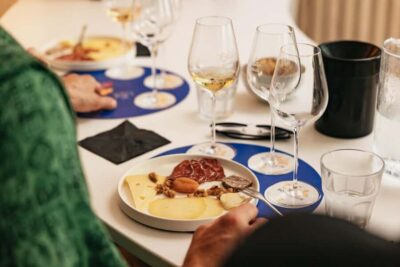
Wine Masterclass with Cheese and Charcuterie Board
Read our review →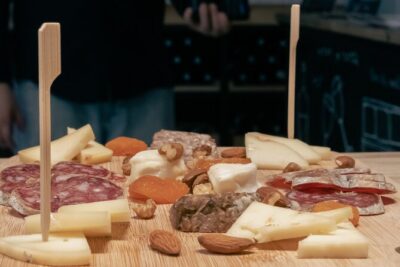
Introduction to Bordeaux wines paired with cheeses & charcuterie
Read our review →
Between the Lines Cheese and Charcuterie Picnic
Read our review →
Lazise: Wine Tasting with Charcuterie and Cheese Board
Read our review →Browse the lists this tour appears in