
REVIEW · SAN MIGUEL DE ALLENDE CHEESE TOURS
Taste of Europe in Mexico: History and Flavors of Artisan Cheese
Taste San Miguel one cheese at a time. This small class combines Mexican cheese history with a generous French-style board, local sweets, and drinks. I like the chance to meet host Tonya in her home, where the setting includes a city view, and I like the practical lessons on buying, cutting, pairing, and storing cheese. The main drawback is that this is a food class in a private home, not a walking tour, and the published stop at the Parroquia de San Miguel Arcángel is not explained in detail.
At $110 per person for about two hours, the price is fair if you treat it as a full tasting with instruction rather than a quick snack. You receive several appetizers, many cheeses, drinks, and a cheese-based dessert. The group is capped at 12, which should make it easier to ask questions, though the format may feel too focused on the table if you hoped to see more of San Miguel.
Key points to know before booking
- Tonya hosts the class at her home, with a view over San Miguel de Allende and a warm, personal setting.
- The main tasting features local artisan cheeses, often arranged on a large French-inspired board with around a dozen varieties.
- Pairings use regional products, including membrillo, cajeta de Celaya, and orange blossom honey.
- You learn practical cheese skills, from cutting and serving to shopping for and storing cheese in Mexico.
- The experience includes wine and other drinks, with pairings explained alongside the cheeses.
- The two-hour format is food-heavy, with appetizers before the lesson and a cheese dessert at the end.
A San Miguel cheese class with a French accent
San Miguel de Allende is better known for its colonial streets, grand parish church, galleries, and restaurants than for cheese. That is part of what makes this experience appealing. It offers a different look at Mexico, one tied to migration, farming, hospitality, and the way European food traditions have taken root far from Europe.
The focus is especially on French cheesemakers who made Mexico home over generations. You learn how their methods fit into Mexican food culture, rather than hearing a generic lecture about Brie and Camembert. That local angle gives the class more purpose. You are not simply tasting imported products. You are learning where Mexican artisan cheese fits in a wider story.
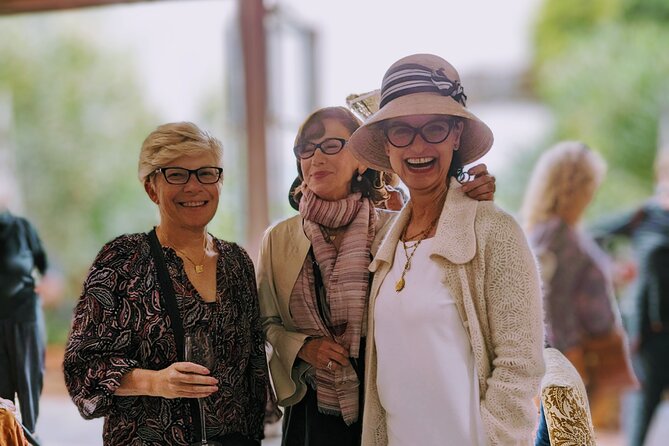
Tonya leads the class, and her husband brings a strong interest in wine. That division works well for the subject. Tonya’s enthusiasm centers on cheese itself, while the drinks help show how flavor changes from one pairing to the next.
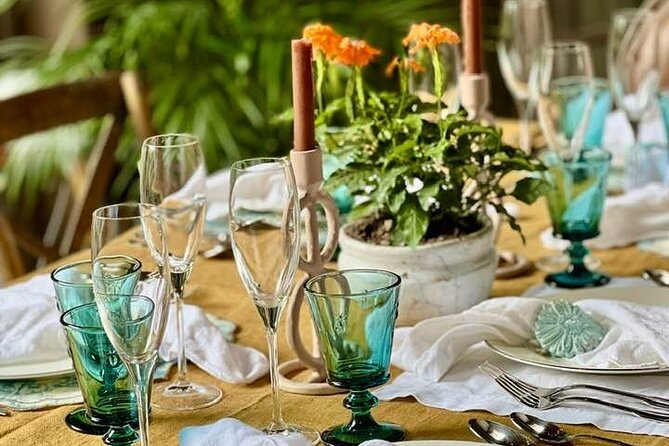
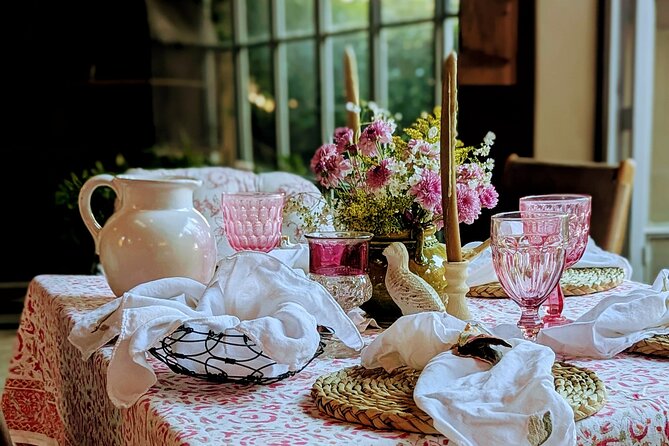
The setting also matters. The class takes place in Tonya’s home, described as a lovely house with views over the city. You should expect a social, hosted meal rather than a formal culinary school. For me, that makes the experience more personal. It also means the atmosphere depends partly on the group and on how comfortable you are eating in a private residence.
More History Tours in Mexico:
- Tour of the Tradition and History of Cheese and Wine in Querétaro
★ 5.0 · 2 reviews - Gouda: Historical Canal Cruise
★ 4.3 · 158 reviews - Paris Le Marais Historical Walking Tour with Wine and Cheese Tasting
★ 4.0 · 32 reviews
What happens before the main tasting
The class begins at 3:00 p.m. and lasts about two hours. You do not sit down immediately for a technical presentation. The opening is built around several cheese-based appetizers and a drink, so the lesson starts with food in front of you.
The sample offerings are varied. You might encounter baked feta with grapes or tomatoes and herbs, served with crostini. Baked Camembert may come in pastry or without it, with candied pecans, jam, and honey. A charcuterie board can add meats, nuts, fruit, olives, bread, crackers, and membrillo.
Other listed possibilities include an antipasto platter with grilled bread, tomato, buffalo mozzarella, grilled eggplant, and zucchini. Italian artichoke pie, rosemary focaccia, and focaccia with tomatoes or olives may also appear.
That is a lot of food before the main board, so arrive ready to taste rather than expecting a light introduction. The menu is presented as a sample, which means you should not assume every listed dish appears in one session. Still, the structure clearly leans generous. You get enough early bites to compare textures and flavors before the formal cheese lesson begins.
This opening also gives you time to settle in. After introductions, you move into the history and production side of the class. That order makes sense. You taste first, then have a better frame for the ingredients and techniques being discussed.
The Mexican cheese story behind the board
The class explains how cheese is made, the main styles of cheese, and the difference between commercial and artisan production. Those subjects can sound basic, but they become useful when you are faced with a board holding many unfamiliar labels and textures.
The commercial versus artisan comparison is especially practical. A supermarket cheese may be made for consistency, shelf life, and wide distribution. An artisan cheese may reflect a smaller producer, a different aging process, or more variation from batch to batch. You learn to notice those differences instead of assuming that a higher price automatically means better quality.
The Mexican setting gives the lesson its strongest point. The discussion of French cheesemakers who settled in Mexico over hundreds of years helps explain why French-style cheese is not simply an imported novelty here. It also gives you a better sense of how local producers adapt European approaches to Mexican ingredients, climate, and markets.
Do not expect a university lecture. The class is built around eating, conversation, and practical explanation. That is a good fit if you want food knowledge you can use right away. If you already know a great deal about cheesemaking, the history section may feel introductory.
Building the large French-inspired cheeseboard
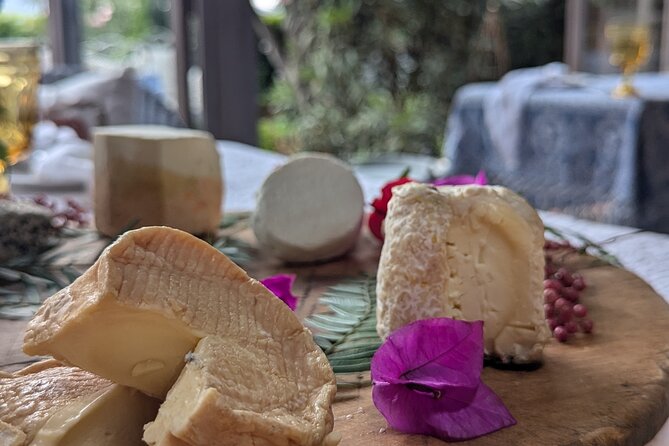
The centerpiece is a large board with about a dozen local artisan cheeses, or at least a dozen or more depending on the session. One class has included roughly eight cheeses, so the exact count may vary. The important point is the range. You are not given one cheese and a short explanation. You move across styles, makers, textures, and strengths.
The board is paired with bread, condiments, flowers, and drinks. Membrillo, or quince paste, adds a sweet, dense contrast to salty cheese. Cajeta de Celaya brings the caramel flavor of goat’s milk to the table. Orange blossom honey adds floral sweetness without requiring a complicated recipe.
These pairings are valuable because they show you how to build contrast. A firm or salty cheese may need fruit or honey. A soft, creamy cheese may work better with bread or something tart. You learn that pairing is not about strict rules. It is about balance, texture, intensity, and your own taste.
The class also teaches how to arrange a cheese board. That includes deciding what goes where, how to serve each style, and how to make the board look inviting. If you host friends at home, this may be the most useful part of the experience. You leave with a format you can copy without needing rare ingredients or professional equipment.
A few more cheese tours around Mexico worth a look
- Santiago de Querétaro: Pueblos Mágicos Cheese and Wine Route
★ 4.8 · 96 reviews - Querétaro: Bernal & Tequisquiapan Trip with Wine & Cheese
★ 4.6 · 29 reviews - Ojos Negros Valley Wine and Cheese Route Tour in Baja California
★ 5.0 · 29 reviews - Cheese and Wine Route with 2 Towns, starting from Querétaro
★ 5.0 · 27 reviews
Drinks, cuts, and useful serving advice
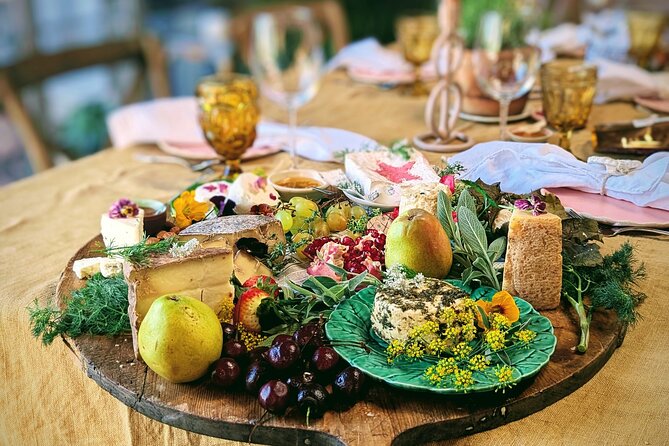
Several drinks are served throughout the class. Wine is an important part of the experience, with Tonya’s husband helping explain the matches. The class teaches general pairing rules for different types of cheese rather than treating one drink as the universal answer.
That approach is more useful than a list of fixed combinations. You can understand why one cheese works with a particular drink and then make your own choice later. The lesson is also designed to show how a beverage can soften, sharpen, or balance a cheese.
Practical instruction continues with cutting and serving. Different cheeses need different treatment. Some are best offered in small wedges, others in slices or chunks, and a mixed board should make it easy to move from mild flavors to stronger ones. The supplied details do not promise a professional knife demonstration, so think of this as useful hosting guidance rather than a technical workshop.
Storage advice is another plus. If you buy artisan cheese in Mexico after the class, you want to know how to keep it in good condition and how soon to serve it. The discussion of where to buy cheese, which cheese shops to seek out, and how to handle the products gives the tasting a life beyond the afternoon.
The dessert finishes the cheese theme
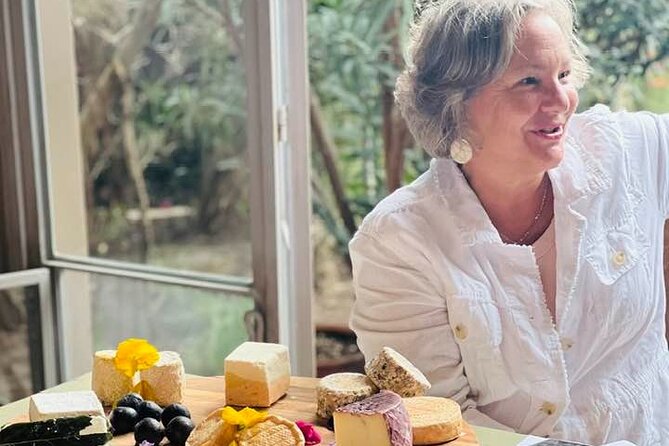
The class closes with a cheese-based dessert. Listed possibilities include pistachio cheesecake made with fresh pistachios and cheese, goat cheese panna cotta, and fig frangipane tart. The tart may be served with cheese ice cream.
These desserts keep the subject consistent without making the meal feel repetitive. Cheesecake is familiar, while goat cheese panna cotta offers a softer, more savory edge. Fig and frangipane bring fruit and nut flavors that make sense after the main board.
Again, the menu is a sample rather than a guarantee of every dessert. Still, the ending is clearly more substantial than a final piece of fruit or a small sweet. If you have a strong dislike of goat cheese or rich desserts, this is worth keeping in mind.
The San Miguel setting and the named church stop
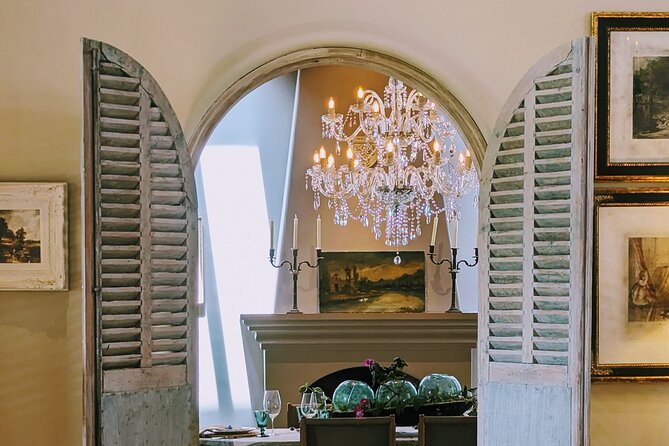
The experience is associated with the Parroquia de San Miguel Arcángel, the city’s famous parish church, which is named as the first stop. However, the details provided do not explain whether the class includes a visit, a viewing point, or simply a reference to the church and its location.
The actual meeting point is Independencia 2260 in Mexiquito, at a private home. The activity ends back there. Private transportation is not included, so you need to arrange your own way to the starting point. The location is near public transportation, but no specific route or pickup service is supplied.
That distinction matters. If you are planning your afternoon around a church visit or a guided walk through central San Miguel, confirm the exact format before booking. The strongest, clearest part of the experience is the indoor food class and city view, not a detailed sightseeing program.
The 3:00 p.m. start is convenient if you spend the morning exploring the town. It also makes the class a natural late-afternoon meal, especially because the appetizers, main board, drinks, and dessert add up to a substantial amount of food.
Is $110 a fair price?
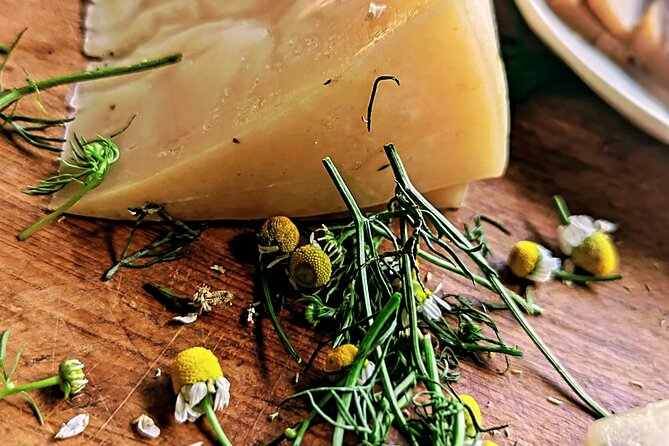
At $110 per person, this is not a bargain snack stop. The value comes from the combination of quantity, instruction, and access to a private host’s knowledge.
You receive several appetizers, a broad cheese tasting, a range of condiments, drinks, and dessert. You also receive advice on shopping and serving that can help you find artisan products later in your trip. A group of no more than 12 keeps the session smaller than a large food demonstration and gives you a better chance to speak with Tonya.
The price makes more sense if you enjoy cheese, wine, and food history. It is less appealing if you only want a quick taste or if your main goal is seeing San Miguel’s sights. You are paying for a hosted culinary experience, not transportation, a full city tour, or a restaurant dinner with several courses.
One useful point is that the class is conducted in English. That makes the history and pairing lessons easier to follow if you are not comfortable discussing food in Spanish. A mobile ticket is provided, and confirmation arrives when you book.
Who will enjoy this experience most?
I would recommend this class to food-focused visitors who want a relaxed afternoon with a local host. It suits couples, solo visitors who enjoy meeting people around a table, and small groups looking for something beyond the standard church and market circuit.
Cheese lovers get the obvious reward, but you do not need advanced knowledge. The explanations cover the basics of production, styles, and pairings, so a curious beginner can follow along. The class also works well for anyone planning to buy Mexican artisan cheese during the rest of a trip.
The experience may not suit you if you need a highly structured sightseeing tour, dislike eating in a private home, or want complete certainty about every dish on the menu. The published food choices are generous, but the exact appetizers and dessert can vary.
Service animals are allowed. The activity is near public transportation, though transportation itself is not included. Free cancellation is available if you cancel at least 24 hours before the start time. Changes or cancellations made inside that window are not accepted for a refund.
Should you book the San Miguel cheese experience?
Book it if you want a small, food-centered afternoon with local cheese, French influence, Mexican condiments, drinks, and practical serving advice. The private-home setting and the view over San Miguel give it a personal touch that a standard tasting room may lack.
Skip it if your priority is a walking tour or a clear visit to the Parroquia de San Miguel Arcángel. The church is named in the plan, but the culinary class is the part described in real detail.
For the right audience, $110 buys more than samples. You get a meal-sized tasting, a lesson in Mexican cheese culture, guidance from Tonya and her wine-minded husband, and ideas you can use when you shop and entertain at home. That is a solid value for an afternoon built around one of Mexico’s more surprising food stories.
FAQ
Where does the cheese experience begin?
It begins at Independencia 2260, Mexiquito, 37717 San Miguel de Allende, Guanajuato, Mexico.
What time does the class start?
The class starts at 3:00 p.m.
How long does the experience last?
It lasts approximately two hours.
Is transportation included?
No. Private transportation is not included, though the meeting point is near public transportation.
How many people can join the class?
The activity has a maximum of 12 travelers.
Is the class offered in English?
Yes. The experience is offered in English.
What food is included?
You receive several appetizers, a dozen or more artisan cheeses, assorted pairings, a variety of beverages, and a cheese-based dessert. Sample foods include baked feta, Camembert, charcuterie, antipasto, focaccia, cheesecake, goat cheese panna cotta, and fig tart.
Are drinks included?
Yes. A variety of beverages are included, and the class explains how to pair drinks with different cheeses.
Can I cancel for a full refund?
Yes, if you cancel at least 24 hours before the experience begins. Cancellations made less than 24 hours before the start time are not refunded.
Just added around Mexico
- Tequila and Mezcal Tasting in Tulum with Cheese Pairing★ 4.5 · 19 reviews
- Tour of the Tradition and History of Cheese and Wine in Querétaro★ 5.0 · 2 reviews
- Hands-on Mexican Farm Experience: from Cow to Cheese★ 5.0 · 9 reviews
- Oaxacan Cheese and Quesillo Workshop★ 5.0 · 3 reviews
- Ensenada Shore Excursion: Wine and Cheese Tour with Lunch in Ojos Negros Valley★ 4.0 · 9 reviews
- Querétaro: Cheese & Wine Tour In A Day★ 4.8 · 24 reviews
- Querétaro: Art, Cheese and Wine Route★ 4.1 · 3 reviews
- Querétaro: Cheese and Wine Tasting Tour★ 4.8 · 3 reviews
San Miguel de Allende Cheese Tours, compared.
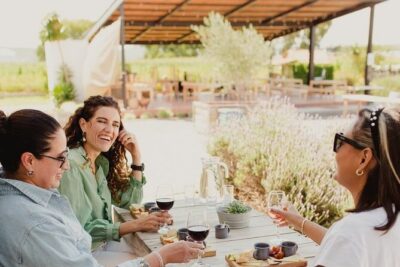
Cheese and Wine Route with 2 Towns, starting from Querétaro
Read our review →
Visit to 3 Vineyards in the Region, departing from Querétaro
Read our review →
Tour of the Tradition and History of Cheese and Wine in Querétaro
Read our review →Browse the lists this tour appears in