
REVIEW · CHEESE AND CHARCUTERIE BOARDS
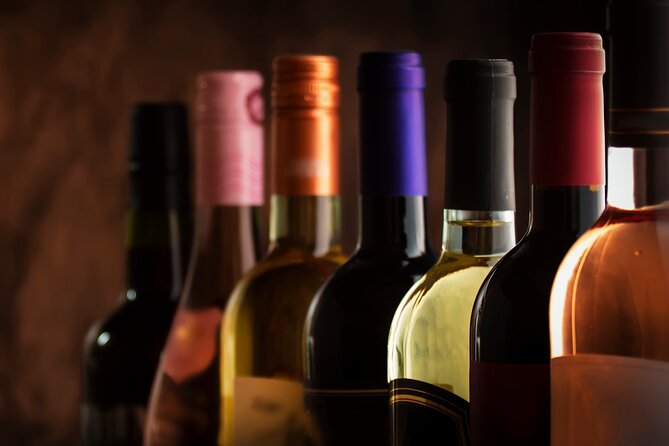
Tasting of Bordeaux red wines, wine and charcuterie pairings
Bordeaux makes more sense after one good tasting. This hour-long session gives you a clear introduction to the region through four carefully chosen red wines, with Mathilde, Cécilia, or another certified host explaining the grapes, soil, blending, and aging behind each glass. I like the small maximum of six people, which leaves room for real questions rather than a rushed lecture. I also like the way each wine comes with a matching delicatessen, turning abstract tasting notes into something you can actually taste.
The main consideration is the short format. One hour is enough for a focused introduction, but not enough to cover every Bordeaux appellation or answer every possible wine question. The experience takes place at 25 Av. Thiers, away from the famous château circuit, so you are learning about Bordeaux without leaving the city.
Key points at a glance
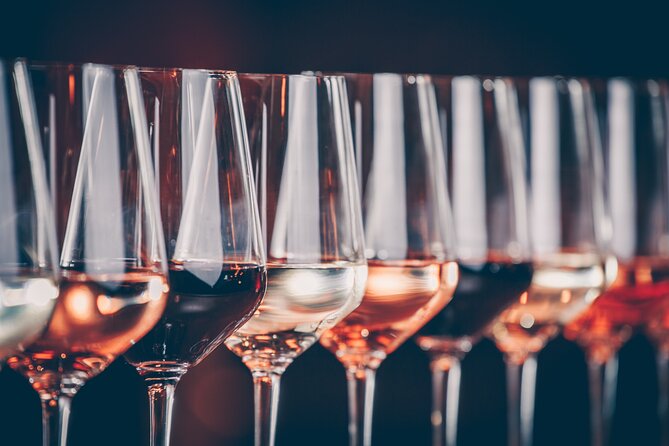
- Four wines with different purposes: Taste family-estate wines, organic bottles, Grand Crus, a mystery glass, and a mature wine when available in the session.
- Left Bank versus Right Bank: Learn why Cabernet Sauvignon often brings structure in Médoc wines, while Merlot can give Saint-Émilion wines a softer, fruitier feel.
- A maximum of six people: The small group makes it easier to ask about aromas, food pairings, buying wine, or choosing bottles for the rest of your stay.
- Charcuterie matched to each pour: The food is not just a snack. It helps show how wine changes when tasted with something savory.
- A booklet to take home: Your personalized tasting booklet helps you remember what you smelled, tasted, and preferred.
- Indoor and outdoor settings: Depending on the season, you may sit in a stone room, private courtyard, or cellar.
Starting at 25 Av. Thiers in Bordeaux
The meeting point is 25 Av. Thiers, 33100 Bordeaux, and the activity ends in the same place. That simple out-and-back arrangement matters. You do not need to arrange a second pickup or find your way across town after drinking wine.
The location also makes this a useful choice for a short visit. A château excursion can take much of a day, while this experience fits neatly into a city itinerary. You get a guided look at Bordeaux wine without committing to transport into the surrounding vineyards.
Public transportation is nearby, and the experience is offered in English. Confirmation arrives when you book. Service animals are allowed, and most people can participate, though the session is centered on seated tasting, conversation, and handling several glasses.
Try to arrive with enough time to find 25 Av. Thiers without rushing. Wine tasting works better when you are calm and ready to pay attention. Since the group can be as small as two people and never exceeds six, arriving on time also helps preserve the personal feel.
More Cheese and Charcuterie Boards in France
- Tasting of 6 Bordeaux wines and pairing charcuterie & cheese
★ 5.0 · 199 reviews - Bordeaux: Wine Masterclass with Cheese and Charcuterie Board
★ 4.9 · 184 reviews - Introduction to Bordeaux wines paired with cheeses & charcuterie
★ 5.0 · 175 reviews
A compact lesson in Bordeaux’s two banks
The central idea is the contrast between Bordeaux’s Left Bank and Right Bank. You will not become a sommelier in an hour, but this comparison gives you a practical way to begin reading Bordeaux labels and tasting the wines with more confidence.
The Left Bank discussion focuses on Cabernet Sauvignon and the Médoc. These wines are presented as more structured, with firmer tannins and a shape that can feel more serious when young. The Right Bank section turns to Merlot and Saint-Émilion, where the style is often softer and fruitier.
That is a useful starting point, not a rigid rule. Bordeaux wines are frequently blends, and the final character depends on soil, vintage, winemaking, and aging. The point of the tasting is to show you how those choices affect the glass.
This is where the host’s teaching matters. Mathilde and Cécilia have been praised for explaining regional differences, grape varieties, aromas, and how wines change over time. Cécilia has also adjusted the experience to suit an individual schedule and preference, while Mathilde has been praised for making technical information easy to follow.
You should feel free to ask direct questions. Ask what makes one bottle suitable for a meal, why a wine tastes drier than another, or how to recognize Cabernet Sauvignon beside Merlot. With only six places, this is not the sort of setting where you need to save every question for the end.
Four glasses, each with a job
The tasting includes four selected wines. They may include mono-varietal wines, blends, bottles from family estates, organic producers, or Grand Crus. The exact selection can vary, which is sensible because the lesson works best when the host can choose wines that show useful contrasts.
One glass may help you focus on grape variety. Another may show the effect of blending. A third may point toward soil and place, while a mature wine offers a glimpse of what Bordeaux can become after time in the bottle.
The mystery glass adds a small challenge. You taste before being told exactly what is in front of you, using aroma, fruit, tannin, acidity, and texture as clues. This can be a good way to practice without worrying about getting the answer right. Wine tasting is not an exam, and the host’s explanation is more useful than your score.
The mature wine is especially valuable. Many visitors taste young Bordeaux and wonder why the wine feels tight or tannic. An older bottle can show how those edges soften, how aromas change, and why people choose to cellar certain wines. It gives the idea of aging a concrete example instead of leaving it as a vague promise on a wine-shop shelf.
One important point: the exact four bottles are not specified in advance. If you have a strong preference for a certain appellation or grape, ask the host what is being poured and explain what you want to learn.
Charcuterie that explains the wine
Each wine comes with a delicatessen selected to match its flavors. This pairing is one of the best parts of the format because food changes your perception of wine. A wine that feels sharp or heavy on its own may seem more balanced with something savory.
The charcuterie also gives the tasting a relaxed rhythm. You are not simply moving from glass to glass while listening to a lecture. You taste the wine, try the food, and notice what changes.
The food offering has one limitation worth noting. One detailed account described the charcuterie as meat only, without cheese, despite an expectation that cheese might be included. That did not spoil the session, but you should not book this expecting a full cheese board. The reliable promise is delicatessen paired with the wine.
If you do not eat meat, confirm the food arrangement before booking. The supplied details do not specify vegetarian substitutions or dietary adaptations.
More Wine and Cheese Tastings in France
- Professional – Bordeaux Wine and Cheese Tasting with a walking tour
★ 5.0 · 218 reviews - Bordeaux Gourmet Experience: Cheese & Wine Tasting
★ 4.6 · 169 reviews - Bordeaux Wines Masterclass paired with cheeses & charcuterie
★ 5.0 · 110 reviews - Bordeaux Gourmet Experience : tasting of French cheeses & wines
★ 4.5 · 71 reviews
Learning how to train your nose
A recurring strength of this experience is the practical focus on aroma. You are shown how to smell a wine with more purpose, rather than simply being told that it has fruit or spice.
The host may guide you toward the bouquet, texture, and changes brought by aging. You learn to separate what you smell from what you taste, then notice how grape variety and winemaking affect both.
This helps after the tasting ends. In a Bordeaux shop, you may face shelves of unfamiliar château names and appellations. You will not leave able to identify every bottle, but you should have a better sense of what you like: firm and structured, soft and fruity, young and energetic, or mature and more developed.
The personalized tasting booklet supports that process. Use it to record the wine names, your reactions, and the food pairing that worked best for you. The booklet is a modest item, but it prevents the common problem of remembering only that you enjoyed the red wine and forgetting which one it was.
A personal host makes the difference
This experience depends heavily on the guide. The strongest sessions appear to be led by Mathilde, Cécilia, or Ilona, all praised for making the lesson friendly and easy to follow.
Cécilia has been singled out for explaining Bordeaux’s wine areas and history in a clear way, while also adapting the tasting to personal preferences. Mathilde has been praised for showing how to recognize different grapes, understand bouquet, and notice changes caused by aging and food. Ilona has been described as warm, thoughtful, and fun, with a strong ability to make wine education feel social rather than stiff.
The hosts also offer practical help beyond the four glasses. Mathilde has given tips for choosing wine during the rest of a Bordeaux visit, which can be useful if you plan to shop for bottles or order local wine with dinner.
Language deserves a quick note. The standard offering is in English, but one session was conducted bilingually after the host checked in advance. If you want a bilingual experience, ask before booking rather than assuming it will be available on the day.
Stone room, courtyard, or cellar
The setting changes with the season. You may taste in a stone room, a private courtyard, or a cellar.
Each setting offers a different mood, but the useful feature is the intimate scale rather than a particular room. A stone room or cellar suits a focused wine lesson, while a courtyard may feel more open and casual. The details of the venue can change, so do not book based on a guaranteed courtyard or cellar visit.
This is not presented as a château tour. You are not traveling through vineyards or touring extensive production facilities. The value lies in guided comparison, tasting technique, and conversation in Bordeaux itself.
For some people, that is exactly the right trade. If you have only a weekend, this session gives you a compact regional overview before you spend money on bottles or plan a longer wine outing.
Is $46.99 a fair price?
At $46.99 per person, the price is reasonable for four wines, paired food, a small group, an expert-led lesson, and a booklet. It is not the cheapest way to drink four glasses of Bordeaux, but you are paying for interpretation as much as for the wine.
The maximum of six is important to the value. A large tasting can offer more bottles but less attention. Here, you have a better chance of asking about your own palate, getting help with aroma vocabulary, and learning how to choose wines for meals.
The price is easiest to justify if you are new to Bordeaux wine or want a clear refresher. It is less compelling for a serious wine specialist seeking rare bottles, extensive château access, or a long technical seminar. The session is introductory, even when the wines include Grand Crus or mature bottles.
Because the tasting lasts about one hour, you can pair it with lunch, dinner, or another Bordeaux activity. Just remember that the short length is both its strength and its limit. You get a clean, manageable lesson, not a full day of wine study.
Who should book this tasting?
I would recommend it most strongly to:
- First-time Bordeaux visitors who want the region explained in plain language
- Couples or small groups who prefer conversation to a crowded tasting room
- Wine beginners who want help identifying aromas and grape styles
- Experienced drinkers who want to compare Left Bank and Right Bank wines
- People staying in Bordeaux without time for a vineyard excursion
- Anyone planning to buy Bordeaux wine and wanting better direction first
You may want something else if you need a full château visit, extensive vineyard views, or a tasting built around many appellations. The provided details also do not promise a full meal, a cheese course, or a choice of every bottle poured.
Free cancellation is available if you cancel at least 24 hours before the start time. Changes or cancellations inside that window are not accepted for a refund, so keep the local cut-off time in mind.
My verdict on this Bordeaux tasting
This is a smart city-based introduction to Bordeaux wine. The small group, four contrasting glasses, food pairings, and strong teaching make it more useful than a quick pour-and-move-on tasting.
I especially like the Left Bank and Right Bank comparison, the mystery glass, and the mature wine. Together, they show not only what Bordeaux tastes like, but why it tastes that way and how it can change.
Book it if you want practical wine skills, a personal host, and a manageable one-hour activity at $46.99. Skip it if your main goal is château architecture, vineyard scenery, or a full-day wine excursion. For most curious visitors who want Bordeaux wine to feel less mysterious, this is a worthwhile first lesson.
FAQ
Where does the Bordeaux wine tasting begin?
It begins at 25 Av. Thiers, 33100 Bordeaux, France.
Where does the activity end?
The activity ends back at the meeting point at 25 Av. Thiers.
How long does the tasting last?
The tasting lasts approximately one hour.
How many wines will I taste?
You will taste four different wines. The selection may include mono-varietal wines, blends, family-estate wines, organic wines, Grand Crus, a mystery glass, and a mature wine.
Is the tasting offered in English?
Yes. The experience is offered in English.
How many people can join?
The tasting has a maximum of six people.
Is food included?
Yes. Each wine is accompanied by a delicatessen selected to match its flavors. The available information does not promise cheese or specify dietary alternatives.
Is the experience accessible by public transportation?
Yes. The meeting point is near public transportation.
Can I cancel for a full refund?
Yes, if you cancel at least 24 hours before the experience start time. Cancellations or changes made less than 24 hours before the start time are not eligible for a refund.
More Wine and Cheese Tastings in Bordeaux
- Bordeaux Afternoon Food Tour : Sweets, Wine and Cheese
★ 5.0 · 38 reviews - Blind Tasting: 4 Bordeaux Natural Wine + Cheese experience
★ 4.8 · 35 reviews - Wine Masterclass & Cheese Tasting Workshop in Bordeaux
★ 5.0 · 29 reviews - Bordeaux wines : tasting with 4 white wines and cheeses
★ 5.0 · 24 reviews
More Cheese and Charcuterie Boards in Bordeaux
- Budapest: Wine, Cheese, and Charcuterie Tasting
★ 4.9 · 647 reviews - Hungarian Wine Tasting (with Cheese and Charcuterie) in Budapest
★ 5.0 · 531 reviews - Full-Day Group Wine Tour (with cheese and charcuterie) in Niagara-on-the-Lake
★ 5.0 · 349 reviews - Taste of Lake Como: 4 Wines Paired with Local Cheese Charcuterie
★ 5.0 · 197 reviews
Just added around Bordeaux
- Wine Masterclass & Cheese Tasting Workshop in Bordeaux★ 5.0 · 2 reviews
- Tasting of Bordeaux White Wines Wine and Cheese Pairing★ 5.0 · 10 reviews
- Wine Masterclass & Cheese Tasting Workshop in Bordeaux★ 5.0 · 29 reviews
- Wines and Cheeses: Learning to combine perfectly★ 4.5 · 7 reviews
- Bordeaux Night Walk Ending with Delicious wine & cheese Tasting★ 5.0 · 10 reviews
- Highlights of Bordeaux Walking Tour + Wine & Cheese Tasting★ 4.5 · 5 reviews
- Bordeaux Food Tour : Sweets, Cheese & Wine pairing workshop★ 5.0 · 8 reviews
- Bordeaux wines : tasting with 4 white wines and cheeses★ 5.0 · 24 reviews
Cheese and Charcuterie Boards, compared.
Hungarian Wine Tasting (with Cheese and Charcuterie) in Budapest
Read our review →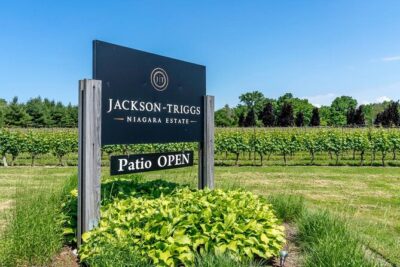
Full-Day Group Wine Tour (with cheese and charcuterie) in Niagara-on-the-Lake
Read our review →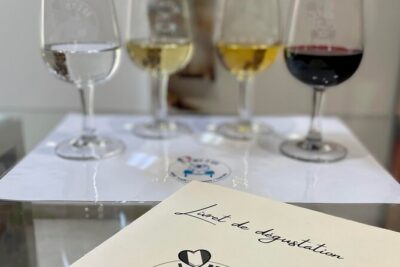
Tasting of 6 Bordeaux wines and pairing charcuterie & cheese
Read our review →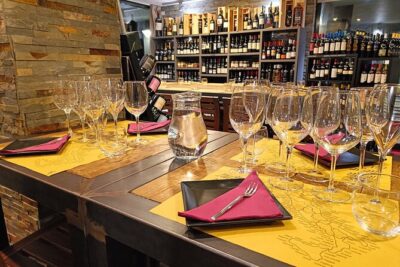
Taste of Lake Como: 4 Wines Paired with Local Cheese Charcuterie
Read our review →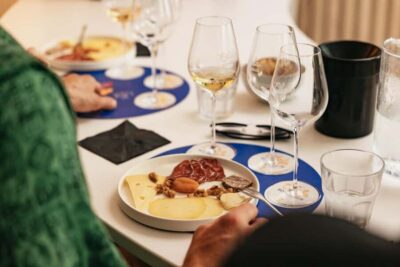
Wine Masterclass with Cheese and Charcuterie Board
Read our review →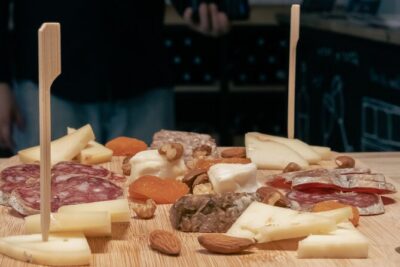
Introduction to Bordeaux wines paired with cheeses & charcuterie
Read our review →
Between the Lines Cheese and Charcuterie Picnic
Read our review →Browse the lists this tour appears in