
REVIEW · CHEESE AND CHARCUTERIE BOARDS
Bordeaux: Wine Masterclass with Cheese and Charcuterie Board
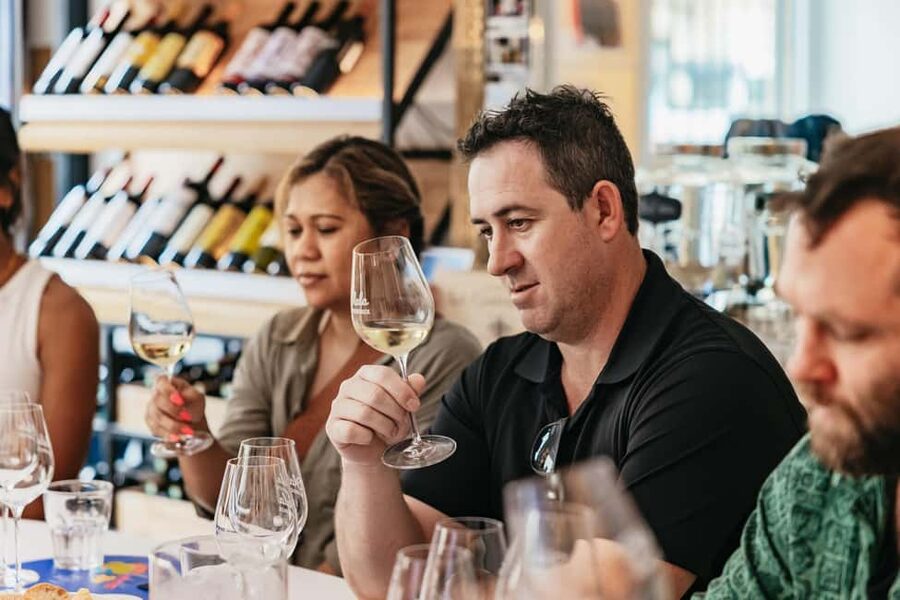
Wine makes more sense after one good lesson. This 90-minute class brings Bordeaux’s famous bottles down to earth, with a white wine, five reds, local cheese, charcuterie, and a guide who explains what you are tasting rather than simply naming it. I especially like the central location near the Grand Théâtre and the clear tasting method, which helps you look, smell, and taste with more purpose. The main drawback is that the class stays indoors and offers an introduction rather than a visit to vineyards or cellars.
I also like the range of wines. You move from a white wine to single-grape reds, then compare bottles from Bordeaux’s Left Bank and Right Bank, including one Grand Cru. The price, $53 per person, feels fair for six wines, food, instruction, and a useful foundation before you visit the wine country outside the city.
Key Points At A Glance
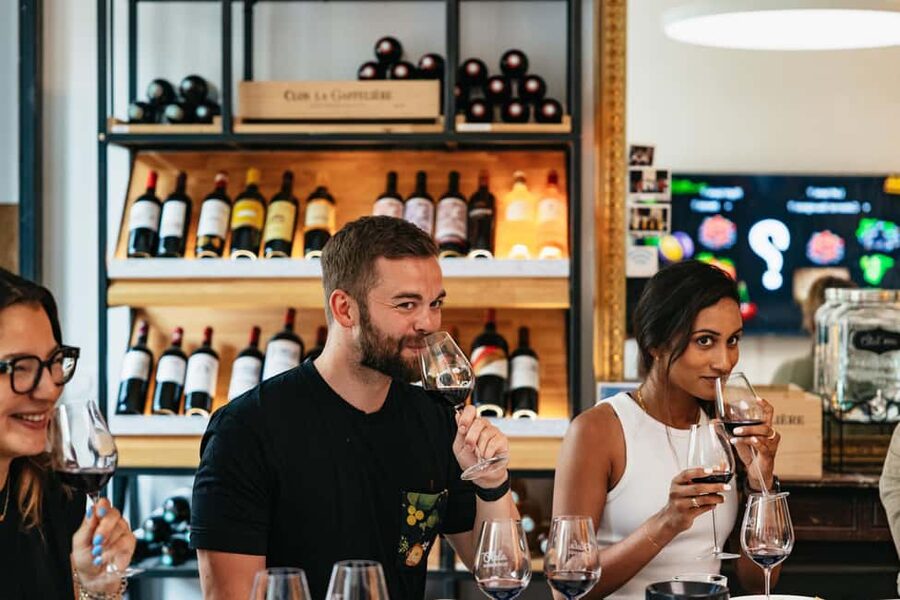
- Six Bordeaux wines in 90 minutes: Start with one white, then taste five regional reds.
- A real lesson, not just a tasting: Learn about terroir, grape varieties, appellations, winemaking, aging, storage, and service.
- Left Bank versus Right Bank: The final wines show how Bordeaux’s two major areas can produce different styles.
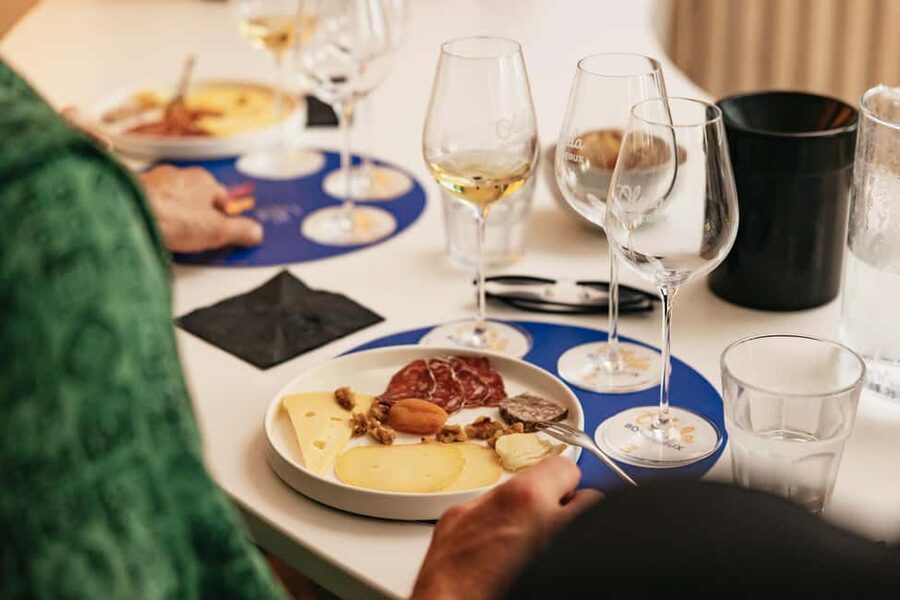
- Good food on the table: Local cheese, charcuterie, baguette, and water accompany the tasting.
- Easy city-center meeting point: Olala Bordeaux is about five minutes from the Quinconces tram stop.
- Strong choice for beginners: Guides such as Enzo, Anna, Vincent, Hugo, Antoine, and Anton have been praised for making the subject friendly and easy to follow.
Why This Bordeaux Class Works So Well
Bordeaux wine can look intimidating. Labels often focus on the estate, appellation, or village instead of the grape variety, and the region has a classification system that takes time to understand. This class gives you a framework before asking you to judge what is in your glass.
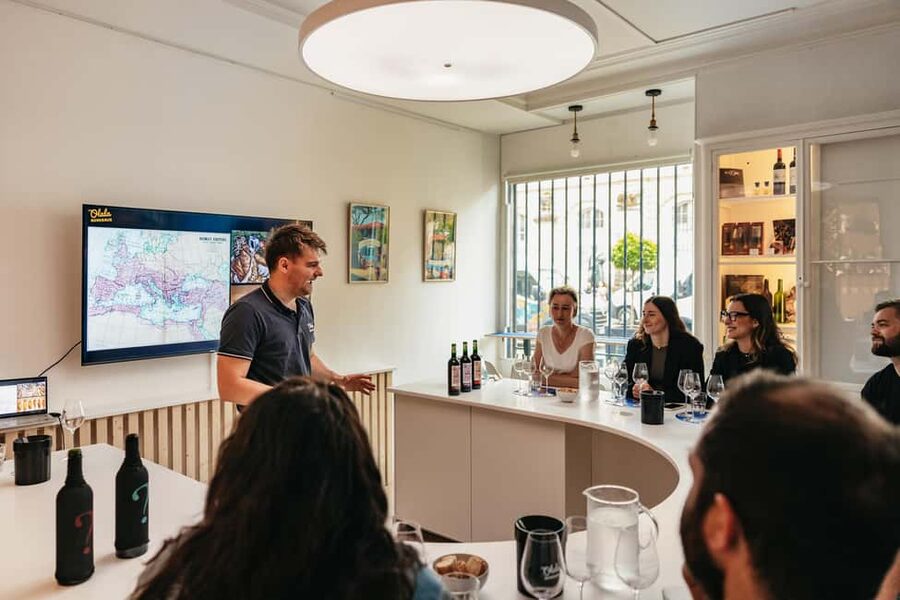
The guide begins with the ideas behind Bordeaux wine. You learn about terroir, the combination of soil, climate, and place; grape varieties; appellations; classification; vinification; aging; storage; and wine service. These are not random bits of wine vocabulary. They explain why two bottles from the same broad region can taste different and why a bottle’s name may tell you more about its location than its grapes.
The teaching style is one of the strongest parts of the experience. Instructors have included Enzo, Anna, Vincent, Hugo, Antoine, Anton, Noe, Olivier, and others, with the exact guide depending on the date. The praise is consistent: the teaching is friendly, clear, and often funny, with enough detail for beginners without making the class feel like an exam.
You do not need a developed wine vocabulary. The point is to build one as you go. By the end, you should be more comfortable describing a wine’s smell, taste, body, and balance, even if you are not ready to identify a château blindfolded.
More Cheese and Charcuterie Boards in France
- Tasting of 6 Bordeaux wines and pairing charcuterie & cheese
★ 5.0 · 199 reviews - Introduction to Bordeaux wines paired with cheeses & charcuterie
★ 5.0 · 175 reviews - Bordeaux Wines Masterclass paired with cheeses & charcuterie
★ 5.0 · 110 reviews
Starting With A White Wine And The Basics Of Tasting
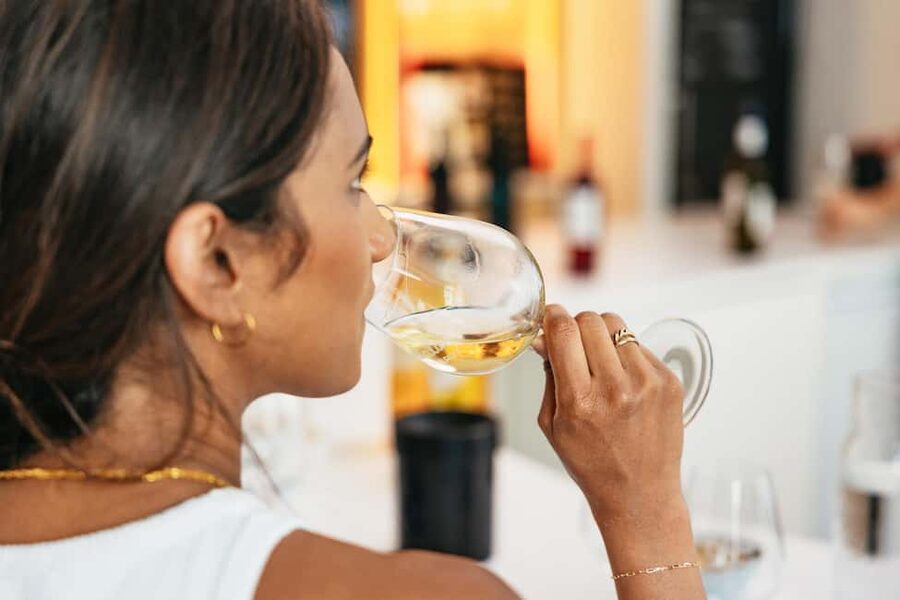
The class begins with a glass of white wine. This first pour is used to teach a universal tasting method, so you are not simply drinking it while someone talks around you.
You learn to look at the wine, smell it, and taste it. The visual step can reveal clues about color and clarity. Smelling helps you notice fruit, floral, herbal, or other aromas. Tasting brings in acidity, texture, flavor, and finish. The exercise trains you to slow down and pay attention to details you might usually miss.
That simple structure is useful later in the class. Instead of hearing that a wine has a certain character and accepting it, you get a chance to search for that character yourself. The class also uses sensory exercises, and one instructor has used an aroma sample kit to help participants connect familiar smells with what they find in the glass.
The white wine is more than a warm-up. It gives you a neutral starting point before the class turns to Bordeaux’s red wines. You can practice the method without the weight or tannin that may make some red wines harder for a beginner to read.
Three Single-Grape Reds And Bordeaux’s Blending Tradition
Next come three glasses of regional red wine made from single grape varieties. This is one of the most useful parts of the class because Bordeaux is closely associated with blends.
Tasting single-grape wines helps you notice the personality of each variety. You can compare fruit, structure, acidity, tannin, and aroma without several grapes working together in the same bottle. The guide then explains how producers use blending to create a final wine with a particular balance and style.
This is where a complicated topic becomes practical. You do not just hear the names of regional grapes. You taste how they differ, then consider what happens when a winemaker combines them. For someone who normally chooses wine by price or label, this section gives you a better way to understand what you are drinking.
I like the order of the tasting. The class does not throw the most famous bottle at you first. It builds from basic sensory practice to grape comparison, then saves the regional contrast for the final part. That progression makes the Grand Cru more interesting because you have already learned what to watch for.
Left Bank, Right Bank, And One Grand Cru
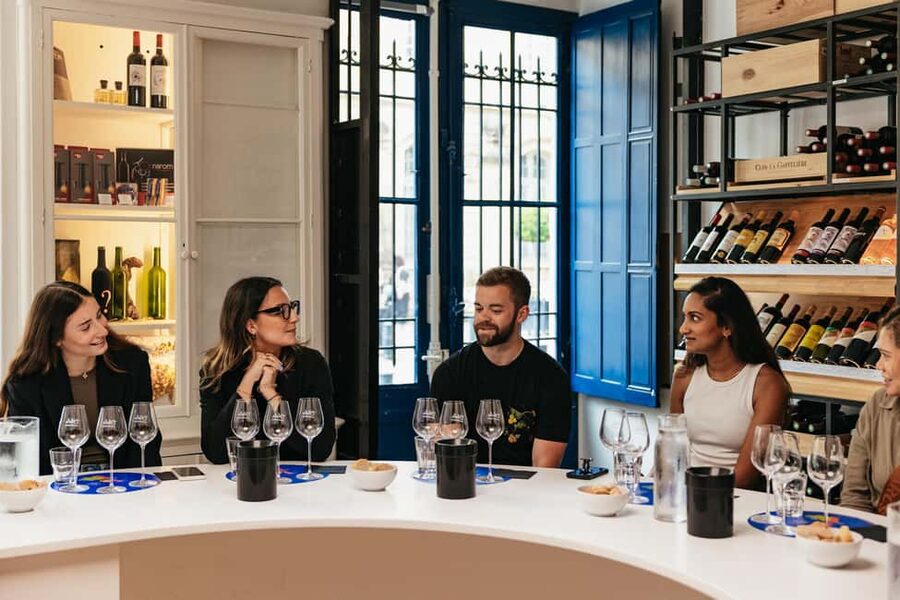
The last two wines come from opposite sides of the Gironde area: one from Bordeaux’s Left Bank and one from the Right Bank. One of these is a Bordeaux Grand Cru.
This comparison gives the class its clearest sense of place. You learn that Bordeaux is not one uniform wine region. The river system, soils, grape choices, producers, and local traditions all affect the style in your glass. The guide explains the differences while you taste them, so the geography has a direct connection to flavor.
The Grand Cru is likely to be the moment many people anticipate most. It gives you a chance to taste a more prestigious Bordeaux wine within a structured lesson, rather than ordering an expensive bottle at random. Still, it is worth keeping expectations sensible. A Grand Cru label does not guarantee that it will be your favorite wine. The value here is the comparison and the explanation, not simply the prestige of one bottle.
A blind tasting exercise has also been part of the class. This adds a little fun and takes pressure off the idea that wine tasting is about having the right answer immediately. You make a guess based on aroma and flavor, then hear how the guide reads the wine.
More Wine and Cheese Tastings in France
- Professional – Bordeaux Wine and Cheese Tasting with a walking tour
★ 5.0 · 218 reviews - Bordeaux Gourmet Experience: Cheese & Wine Tasting
★ 4.6 · 169 reviews - Bordeaux Gourmet Experience : tasting of French cheeses & wines
★ 4.5 · 71 reviews - Bordeaux Afternoon Food Tour : Sweets, Wine and Cheese
★ 5.0 · 38 reviews
Cheese, Charcuterie, Baguette, And Better Pairing
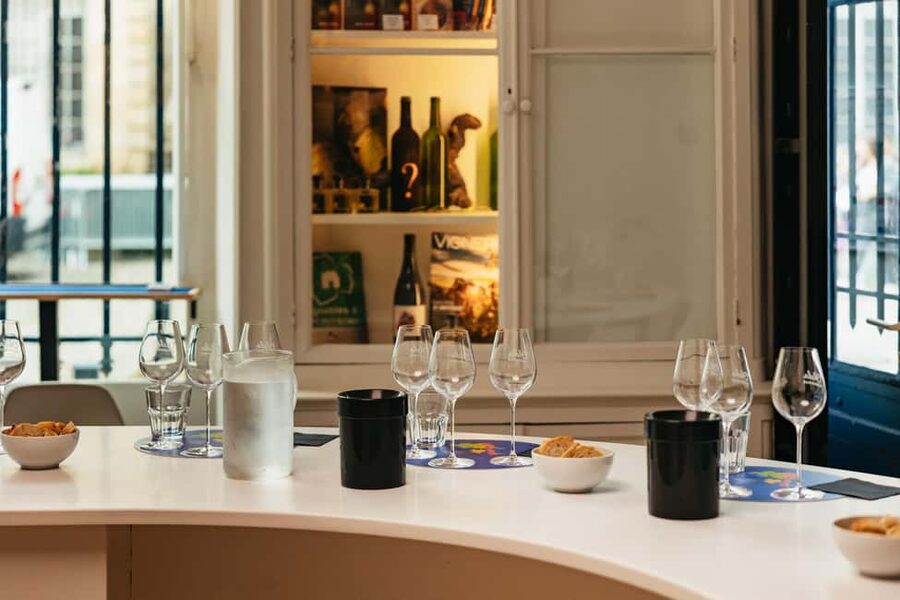
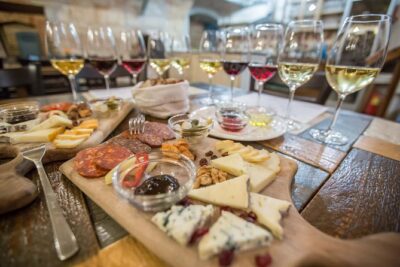
Wine is served with a board of local cheeses and cold cuts, plus baguette and water. The food is not a decorative extra. It lets you see how a wine changes when you eat it with salt, fat, creaminess, and bread.
The pairing section covers basic food and wine matching. You may notice that a wine seems softer with food, that a salty charcuterie item brings out fruit, or that a cheese changes the wine’s finish. These are small lessons, but they are useful when you later choose a bottle for dinner.
The food also keeps the class grounded in Bordeaux’s daily pleasures. You are not just studying bottles in isolation. You are tasting wine in the way it is commonly enjoyed, with a table of simple regional foods and conversation around it.
The amount of food is not described as a full meal, so I would not arrive expecting lunch or dinner. Think of it as a generous tasting board that supports the wine lesson. If you need a substantial meal, plan one before or after the class.
A Cosy Bordeaux Setting Near The Grand Théâtre
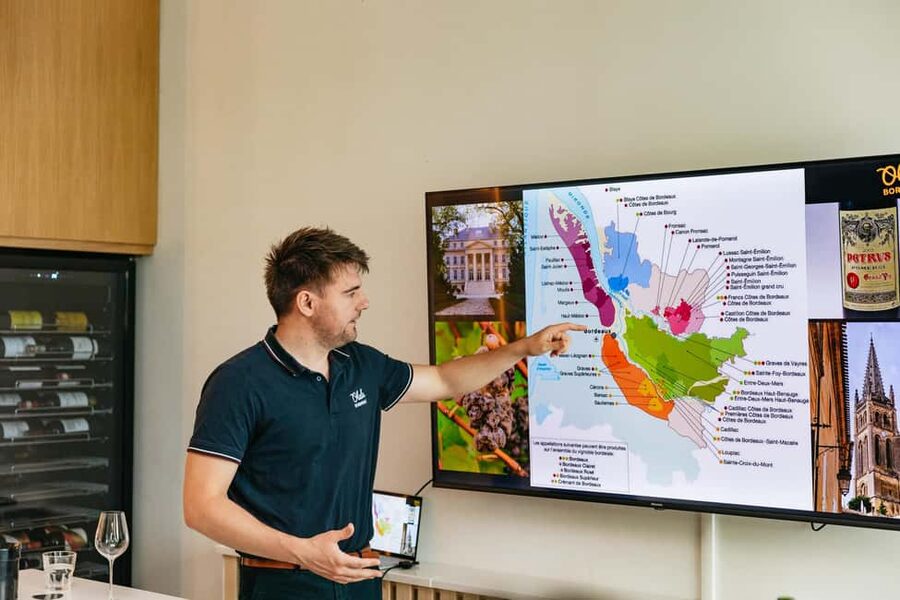
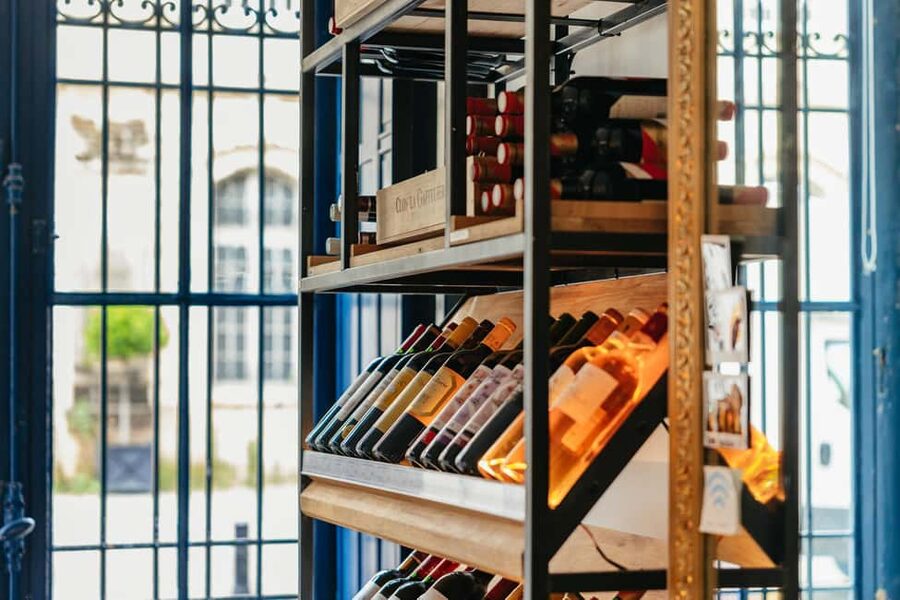
The class takes place at Olala Bordeaux, a wine shop and tasting space about five minutes on foot from the Quinconces tram stop. Tram lines B, C, and D serve the stop, which makes this one of the easier wine activities to fit into a day of sightseeing.
The location is close to the Grand Théâtre, right in the center of Bordeaux. That matters because you do not lose half a day getting out to a vineyard. You can schedule the masterclass around a city walk, museum visit, shopping, or dinner.
The setting is described as small and cosy, with a dedicated tasting area and a layout suited to instruction. That helps create a more personal class than a large room where a presenter speaks from the front. Group size can vary, so do not assume every session will have the same number of people. Still, the format is designed for questions and conversation.
You should arrive ready to sit, taste, and listen for the full 90 minutes. The schedule can vary, as can the wines, but the experience keeps the same basic format and level of quality. If a particular grape or bottle is your main reason for booking, this flexibility is worth noting.
What Makes The Teaching Worth Paying For
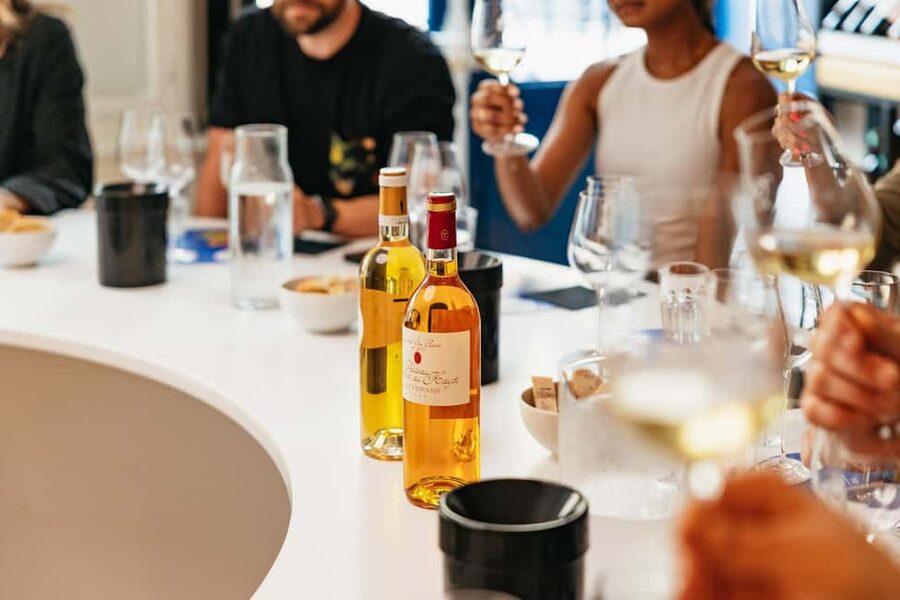
At $53 per person, the value depends on what you want from a wine activity. You receive six wines, food, water, a guide, and printed information. You also get a method you can use in restaurants, shops, and later vineyard visits.
Buying six comparable glasses in central Bordeaux could cost a sizeable amount, especially if one is a Grand Cru. The food and instruction add more value, particularly if you are starting from scratch. You are paying for a guided sequence rather than a row of unrelated pours.
The class also saves time. A full vineyard excursion can take much longer and may focus on one estate or one nearby area. Here, you compare several Bordeaux ideas in one sitting. That makes it a smart first activity if you have only a short stay or want some background before booking a trip to Saint-Émilion or another wine area.
It is not the cheapest way to drink wine in Bordeaux, and serious wine students may find the introduction too short. You will not study every appellation or taste the full range of Bordeaux styles in 90 minutes. For most curious drinkers, though, the combination of variety, food, and instruction is a solid deal.
Who Should Book This Experience
I would recommend this class to anyone who likes wine but feels unsure about the language. It is especially useful if terms such as appellation, classification, aging, and terroir still seem vague.
It also suits couples, friends, and solo visitors who want a social activity that does not require a full day outside the city. The relaxed format can help you meet others, and one class has even led participants to continue their evening together at a nearby restaurant.
You do not need previous tasting experience. The class is also suitable for people with some background who want a clearer understanding of Bordeaux’s Left Bank and Right Bank wines. The guide’s teaching style matters here, and names such as Enzo, Anna, Vincent, Hugo, and Antoine have been associated with warm, engaging instruction.
This is not suitable for children under 16, and unaccompanied minors are not allowed. Pets are also not permitted. Since the class includes six wine samples, it is designed for adults who want to focus on tasting rather than simply pass through for a quick drink.
Useful Details Before You Reserve
The class is offered in English and French. Check the selected time carefully, since starting times depend on availability.
Meet at Olala Bordeaux, roughly five minutes from Quinconces tram stop. Lines B, C, and D can take you there, making the class convenient from much of central Bordeaux.
The exact wines and schedule may change. That is normal for a tasting class and means you should book it for the teaching and range, not for one promised bottle. The white wine, three single-grape reds, and two final regional wines form the expected structure.
You can cancel up to 24 hours before the activity for a full refund, and the reserve-now, pay-later option gives you some flexibility when your Bordeaux plans are still shifting.
Should You Book The Bordeaux Wine Masterclass?
Book it if you want a practical introduction to Bordeaux wine without committing to a full vineyard day. The six-wine progression, local food, and clear tasting method give you more than a casual glass at a bar, while the central location keeps the rest of your day open.
Skip it if you want a working winery, vineyard views, or a long technical seminar. This is a city tasting class, not a harvest visit or estate tour. For $53, it is best viewed as a useful first step: you leave with a better sense of what is in your glass and more confidence choosing your next Bordeaux bottle.
FAQ
How long does the Bordeaux wine masterclass last?
The experience lasts 90 minutes.
How many wines are included?
The class includes one white wine and five red wines, for six wines in total.
What food is served with the wine?
You receive a cheese and charcuterie board with baguette and water.
Where does the class meet?
The meeting point is Olala Bordeaux, about a five-minute walk from the Quinconces tram stop.
Which languages are available?
The class is offered in English and French.
Are children allowed to attend?
Children under 16 are not allowed, and unaccompanied minors cannot participate.
Can I cancel my booking?
You can cancel up to 24 hours in advance for a full refund. A reserve-now, pay-later option is also available.
More Wine and Cheese Tastings in Bordeaux
- Blind Tasting: 4 Bordeaux Natural Wine + Cheese experience
★ 4.8 · 35 reviews - Wine Masterclass & Cheese Tasting Workshop in Bordeaux
★ 5.0 · 29 reviews - Bordeaux wines : tasting with 4 white wines and cheeses
★ 5.0 · 24 reviews - Tasting of Bordeaux White Wines Wine and Cheese Pairing
★ 5.0 · 10 reviews
More Cheese and Charcuterie Boards in Bordeaux
- Tasting of Bordeaux red wines, wine and charcuterie pairings
★ 5.0 · 24 reviews - Budapest: Wine, Cheese, and Charcuterie Tasting
★ 4.9 · 647 reviews - Hungarian Wine Tasting (with Cheese and Charcuterie) in Budapest
★ 5.0 · 531 reviews - Full-Day Group Wine Tour (with cheese and charcuterie) in Niagara-on-the-Lake
★ 5.0 · 349 reviews
Just added around Bordeaux
- Wine Masterclass & Cheese Tasting Workshop in Bordeaux★ 5.0 · 2 reviews
- Tasting of Bordeaux White Wines Wine and Cheese Pairing★ 5.0 · 10 reviews
- Wine Masterclass & Cheese Tasting Workshop in Bordeaux★ 5.0 · 29 reviews
- Wines and Cheeses: Learning to combine perfectly★ 4.5 · 7 reviews
- Tasting of Bordeaux red wines, wine and charcuterie pairings★ 5.0 · 24 reviews
- Bordeaux Night Walk Ending with Delicious wine & cheese Tasting★ 5.0 · 10 reviews
- Highlights of Bordeaux Walking Tour + Wine & Cheese Tasting★ 4.5 · 5 reviews
- Bordeaux Food Tour : Sweets, Cheese & Wine pairing workshop★ 5.0 · 8 reviews
Cheese and Charcuterie Boards, compared.
Hungarian Wine Tasting (with Cheese and Charcuterie) in Budapest
Read our review →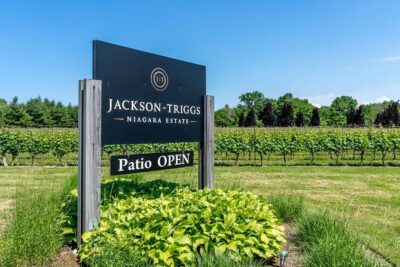
Full-Day Group Wine Tour (with cheese and charcuterie) in Niagara-on-the-Lake
Read our review →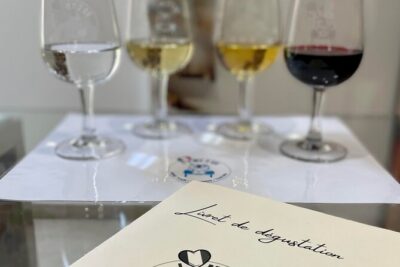
Tasting of 6 Bordeaux wines and pairing charcuterie & cheese
Read our review →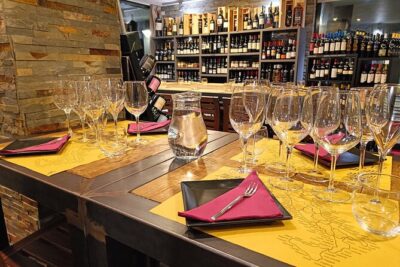
Taste of Lake Como: 4 Wines Paired with Local Cheese Charcuterie
Read our review →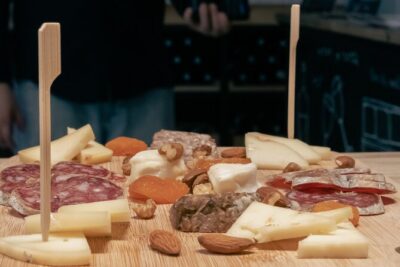
Introduction to Bordeaux wines paired with cheeses & charcuterie
Read our review →
Between the Lines Cheese and Charcuterie Picnic
Read our review →
Lazise: Wine Tasting with Charcuterie and Cheese Board
Read our review →Browse the lists this tour appears in