
REVIEW · MUSEUMS
Gouda: Museum Gouda Entry Ticket
Gouda keeps its best stories indoors. Museum Gouda packs six centuries of local art into a former 14th-century guest house, and I like the way the collection moves from religious paintings to civic pride, fine art, and pottery. I also like the huge interactive model showing Gouda in 1562. The main drawback is that there is no guide or audio guide, so some works may feel underexplained.
This is not a quick look at cheese and a few old objects. You can see altar paintings that survived the 16th-century iconoclasm, 17th-century civic guard portraits, works by Ferdinand Bol and Isaac Israels, and the decorative pottery that made Gouda famous. At $19 per person, the ticket offers good value if you want the city’s story rather than only its postcard sights.
Key points to know before you go
- The 1562 Gouda model gives you a clear picture of the medieval city and makes the museum easier to understand.
- Surviving altar paintings show what escaped the wave of church destruction during the 16th-century iconoclasm.
- Ferdinand Bol and Isaac Israels connect Gouda’s local story with major Dutch and French art.
- Gouda pottery, known as Gouds plateel, explains how a local craft became part of the city’s identity.
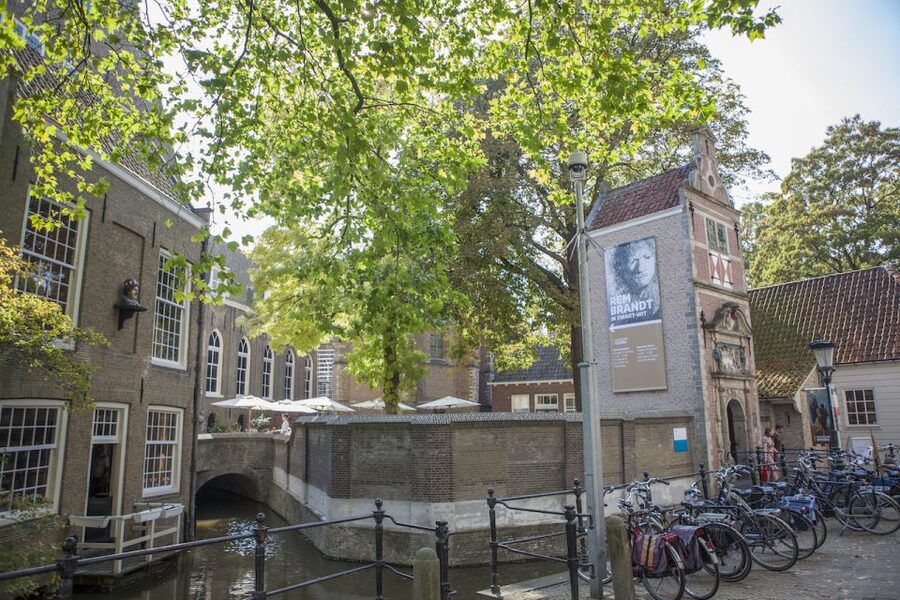
- The museum occupies a 14th-century guest house, giving the visit an atmospheric setting before you even reach the galleries.
- No audio guide or museum guide is included, so readers who want detailed explanations should plan to read the labels carefully.
Entering Gouda’s 14th-century guest house
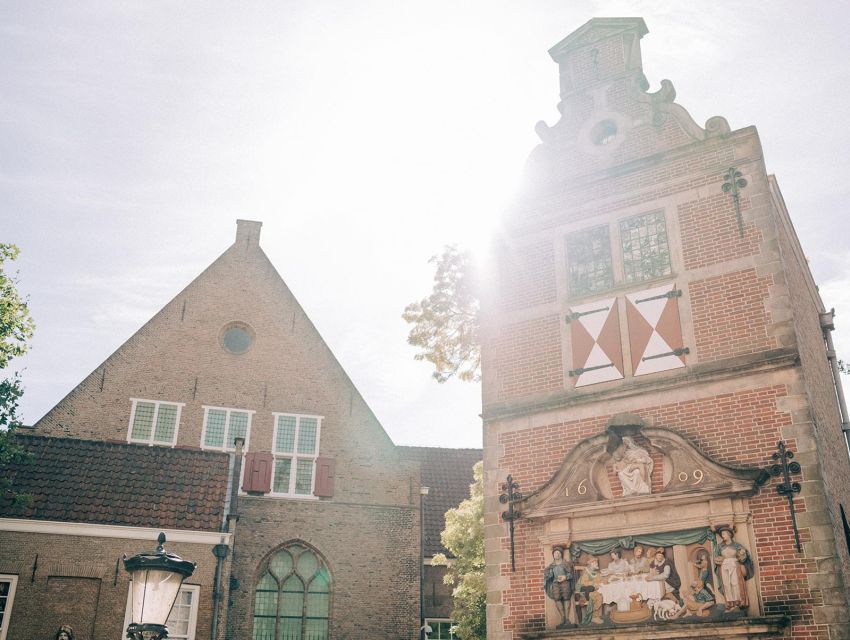
The building gives Museum Gouda an immediate sense of place. You are not walking into a modern white-box gallery detached from the city. You enter a former guest house dating from the 14th century, then follow Gouda’s story through rooms filled with paintings, objects, and decorative arts.
That setting matters. Museum Gouda is not simply a collection of attractive old things. It explains how the city changed across 600 years. Religion, local government, military groups, painting, industry, and design all appear in the collection.
The experience is best understood as a city museum with art museum credentials. You get major names such as Ferdinand Bol and Isaac Israels, but you also get local material that would make little sense in a national museum. Gouda clay pipes and Gouds plateel help explain daily life and local industry in a way that a gallery of famous paintings cannot.
The museum is open for a full day on the ticket’s validity date, but you do not need to spend an entire day inside. I would allow enough time to read the labels, study the large city model, and visit the temporary exhibitions rather than rushing through in an hour.
More Museum Visits in Gouda:
- Guided Visit to the Estrella Galicia Museum with Cheese Pairing
★ 5.0 · 218 reviews - Paris: Living Cheese Museum Guided Tour with Cheese Tasting
★ 4.8 · 182 reviews - Fuerteventura: Tickets to Salt, Cheese and Windmill Museums
★ 4.4 · 129 reviews
Seeing what Gouda looked like in 1562
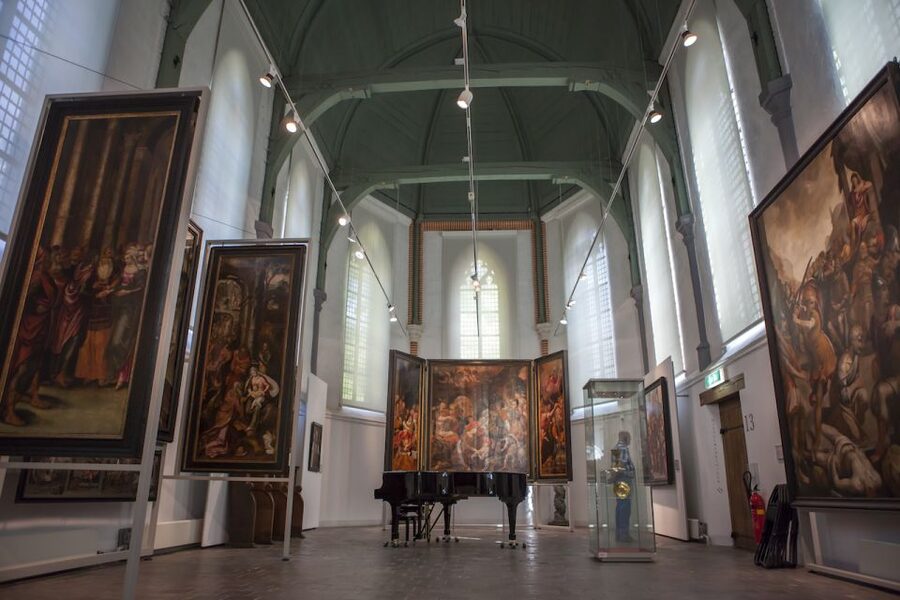
The massive interactive maquette of Gouda in 1562 is one of the most useful parts of the visit. It gives you a bird’s-eye view of the city at a moment when its streets, buildings, and defenses followed a very different pattern from today.
Historical city models can be hard to read when they are small or poorly labeled. This one is designed as a major feature, and its interactive format should help you connect the museum’s objects with the city outside. After seeing the model, a painting or civic object has a stronger setting. You can picture the community that produced it.
I would make this model an early stop, even if the museum route does not require it. It gives you a framework for the rest of the collection. Instead of seeing isolated paintings and pottery, you begin to understand them as pieces of one place.
The model is also a good reason to visit if you are not a dedicated art lover. It offers a direct, visual introduction to Gouda. Children and adults who find long rows of paintings tiring may find the city display more engaging.
Altar paintings that escaped the iconoclasm
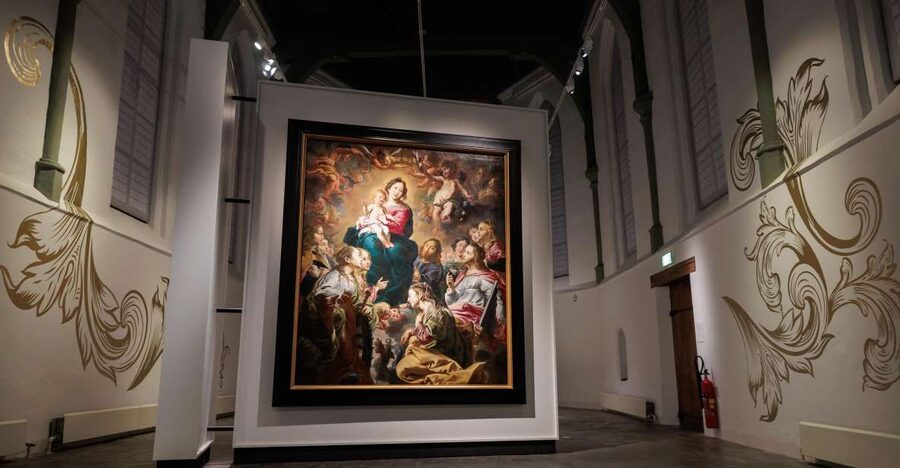
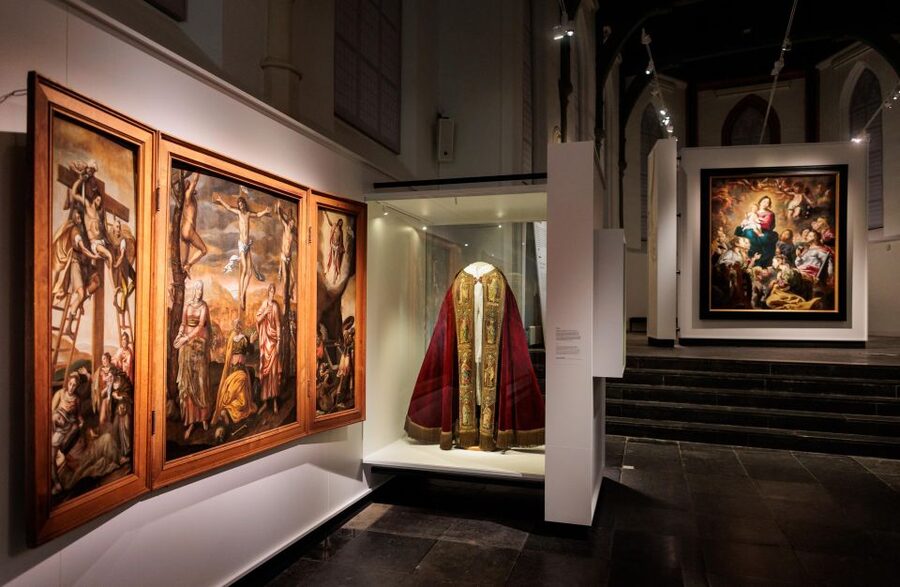
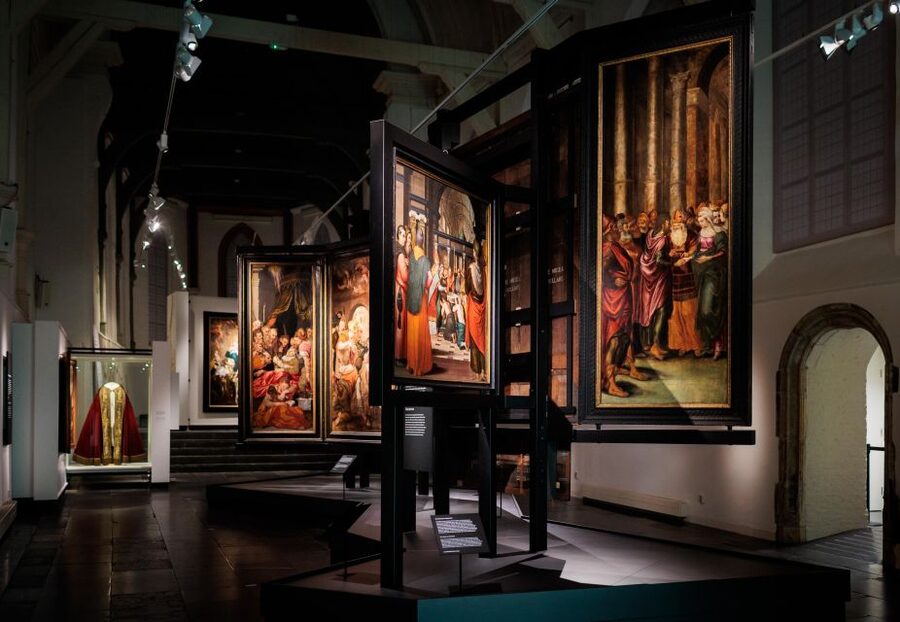
The museum’s religious works carry unusual historical weight. During the 16th-century iconoclasm, religious images across the Netherlands were damaged or destroyed. The altar pieces that survived are therefore more than examples of early painting. They are survivors of a major religious and political upheaval.
The collection includes a 16th-century triptych, an altar format that lets you see how religious art was designed to work as a complete visual program. Look at the arrangement, the central scene, and the side panels rather than treating it as one flat image. The format tells you how viewers once encountered the work.
These pieces may appeal most to visitors who enjoy context. The museum connects the paintings to Gouda’s past, so you can consider not only the skill of the artist but also why the work survived. A beautiful image becomes more interesting when you know how easily it could have been lost.
The limitation is interpretation. One visitor specifically found the collection underexplained without an audio guide. That is fair criticism. If you want a detailed account of every religious symbol or artist, you may need to take your time with the written material. The museum does not provide a guide or audio guide with this admission.
Still, the works are worth seeing even if you are not trained in art history. Focus on what you can observe: the scale, the arrangement of figures, the condition of the panels, and the difference between a private painting and an object made for a church setting.
Civic guard portraits and Gouda’s public face
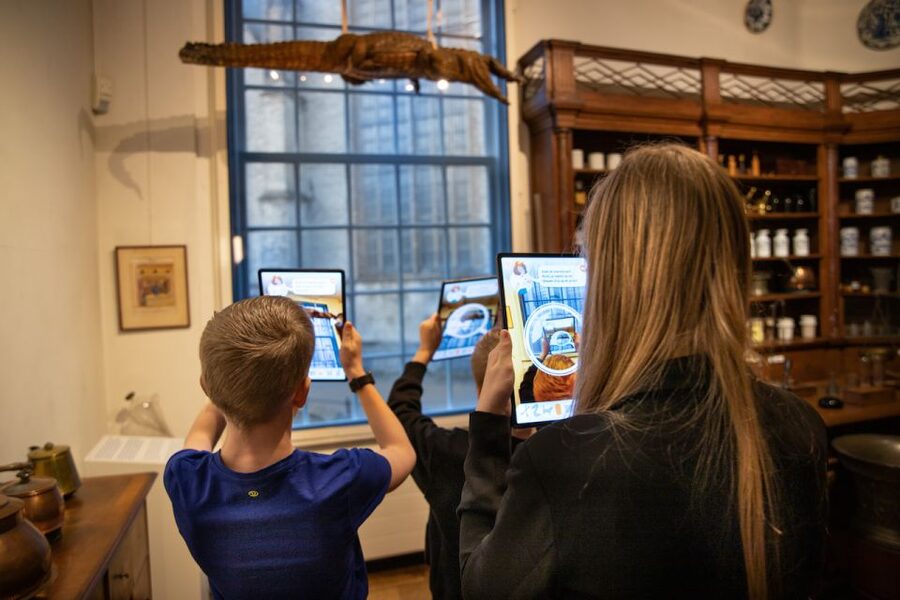
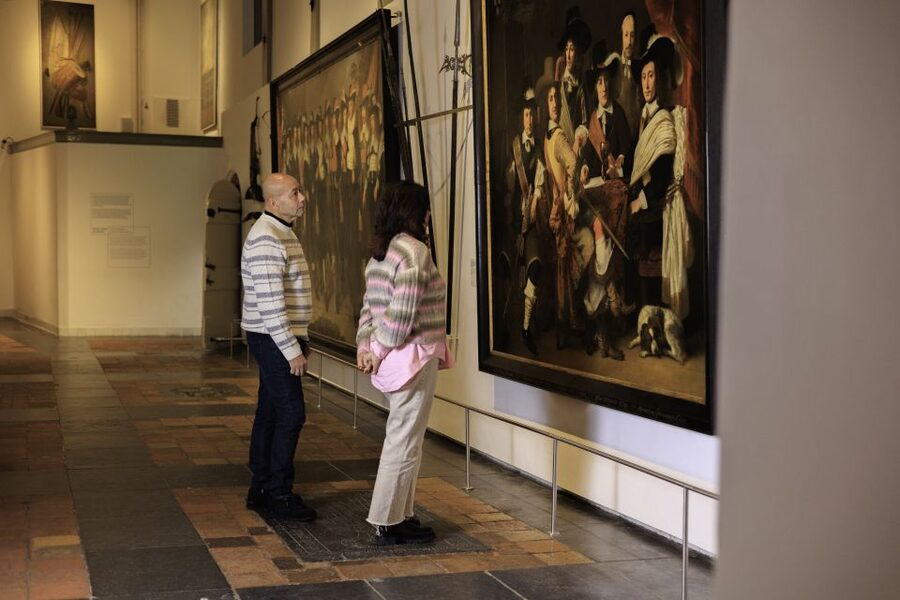
The collection then shifts from church life to civic identity. The 17th-century civic guard pieces and militia group portraits show how Dutch towns presented their organized citizens.
These paintings are not only about uniforms and faces. Group portraits record status, responsibility, and local pride. The people depicted wanted to be seen as part of the city’s public order. Their clothing, placement, and expressions tell you something about how communities represented themselves.
For me, this is where the museum’s local focus pays off. You do not need to know every name in the painting to understand the basic message: Gouda had people who served, organized, and wanted their role remembered.
The portraits also offer a useful contrast with the altar pieces. The earlier religious works point toward worship and salvation. The civic guard paintings turn attention toward earthly reputation and municipal life. Together, they show a society changing its priorities and its public imagery.
Give these works more than a passing glance. Group paintings can seem repetitive at first, but small details often carry the interest. Look at the arrangement of the figures and the way each person is presented within the group.
More Entry Tickets in Gouda:
- Gouda: Gouda Cheese Experience Entry Ticket
★ 4.6 · 578 reviews - Gouda: Entry Ticket to Church of St. John with Audioguide
★ 4.5 · 48 reviews - Gouda: Syrup Waffle Factory Ticket with a Waffle
★ 4.5 · 202 reviews - Parma: Parmigiano Reggiano Museum Ticket
★ 3.7 · 34 reviews
Ferdinand Bol, Isaac Israels, and wider Dutch art
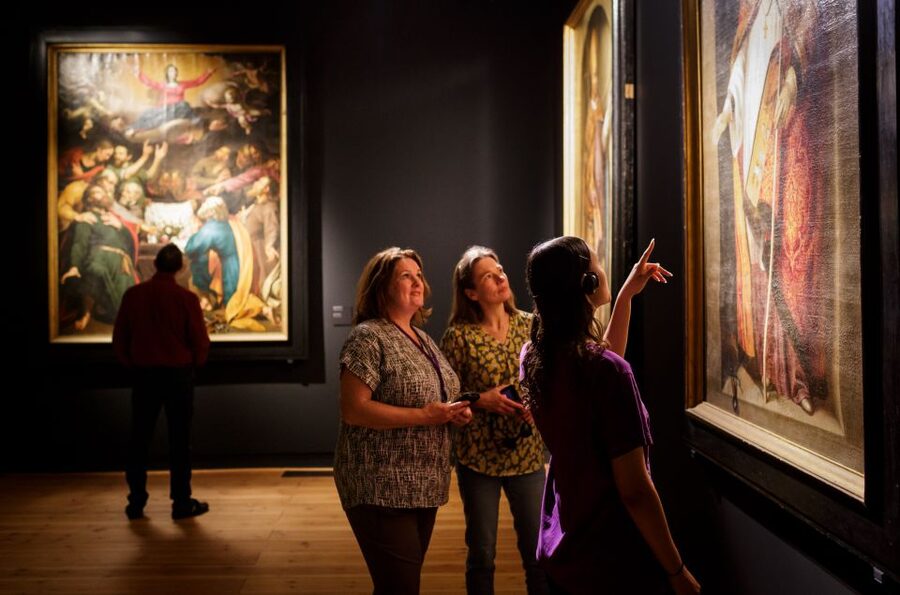
Museum Gouda’s collection is not limited to local craftsmen or anonymous historical objects. Works by Ferdinand Bol and Isaac Israels place Gouda within a broader Dutch art story.
Ferdinand Bol is associated with the 17th-century Dutch painting tradition, while Isaac Israels represents a later period. Their presence helps show that Gouda’s cultural life did not stop with its medieval and religious past.
The museum also includes 19th-century French and Dutch works. This wider selection keeps the visit from becoming a narrow city archive. You can follow changing artistic interests across time, from religious subjects and civic portraiture to later approaches to everyday life and modern society.
A Japanese visitor singled out works connected with Vermeer and Rembrandt, as well as the famous tower, as particularly memorable. Those names may draw art fans to the museum, but I would keep your expectations sensible. This is not a dedicated Vermeer or Rembrandt museum. Its strength is the range of the collection and the way major art sits alongside Gouda’s own material culture.
If you have limited time, use the named artists as anchors. See the Bol and Israels works, then move through the surrounding rooms to understand how the museum places them within the city’s timeline. That approach gives you both recognizable art and the less famous objects that make the museum distinctive.
Gouda pottery and the story of Gouds plateel
The pottery section explains one of Gouda’s most recognizable contributions to decorative art. Gouds plateel refers to the decorative pottery associated with the city, especially its colorful designs and strong local identity.
This section is important because it links art with production and trade. Paintings often represent a person, event, or belief. Pottery shows how design entered ordinary objects and how a city could become known for a particular craft.
The collection also includes the Gouda clay pipe, another reminder that local manufacturing was not limited to showy decorative pieces. The pipe and the pottery together give you a more complete picture of Gouda’s working culture.
I like this balance. You can admire the pottery for its colors and forms, but you can also ask practical questions. Who made it? Who bought it? How did it travel beyond Gouda? The supplied information does not provide a full production history, so do not expect every technical detail. Still, the objects make the city’s reputation easier to understand.
This is likely one of the strongest sections for visitors who are less interested in religious art. The pottery has a direct visual appeal, and its connection to Gouda gives it a clear purpose in the museum.
Temporary exhibitions add a reason to return
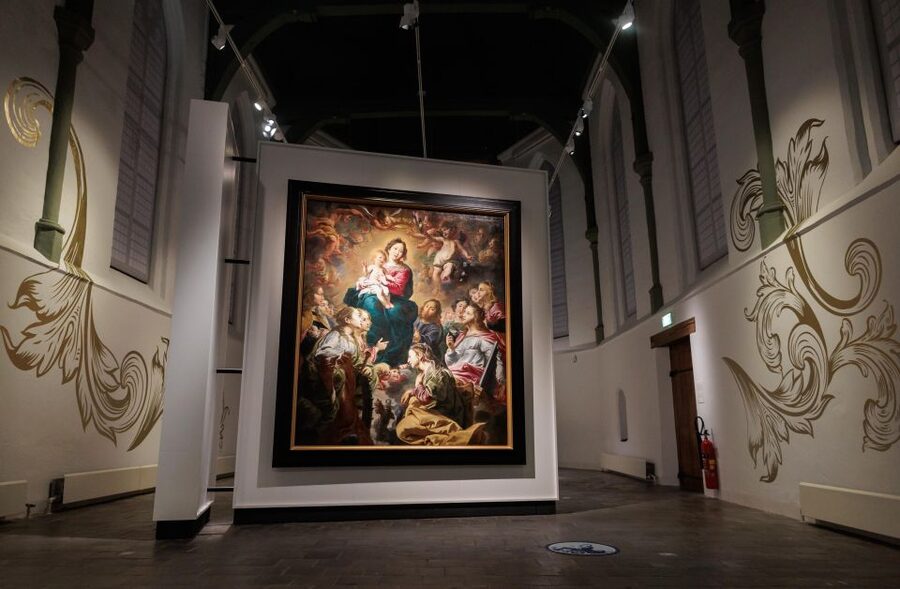
Along with its permanent collection, Museum Gouda presents temporary exhibitions. These shows are worth checking on the date of your visit because they can change the balance of the experience.
A temporary exhibition may give you a focused subject, while the permanent galleries offer the long timeline. That combination works well for repeat visitors and for anyone who wants more than a single run through the main collection.
The exact exhibition schedule is not provided here, so I would not plan around a particular temporary show without checking ahead. Treat it as an extra rather than the only reason to buy a ticket.
Is $19 good value for one day?
At $19, this is a fair museum price for a full day of access to a collection covering 600 years. The value is strongest if you care about Gouda itself, not just famous Dutch painters.
You are paying for several kinds of experience in one visit:
- A historic building in the center of Gouda’s story
- Religious art that survived the 16th-century iconoclasm
- Civic guard works and militia portraits
- Paintings by Ferdinand Bol and Isaac Israels
- 19th-century French and Dutch works
- Gouds plateel and the Gouda clay pipe
- A large interactive model of the city in 1562
- Access to temporary exhibitions
The price feels less convincing if you want a guided art tour. There is no guide or audio guide, and the lack of extra explanation may leave you doing more of the interpretive work yourself.
You can reserve now and pay later, which helps if your Dutch itinerary is still changing. Cancellation is free up to 24 hours before the visit for a full refund. Parking and food are not included, so treat the $19 as the museum admission only.
The museum is wheelchair accessible, and English and Dutch are available for the experience. That makes the ticket practical for international visitors, though the available information does not specify the full range of accessibility arrangements inside every room.
Who will enjoy Museum Gouda most?
I would recommend this museum to you if you want to understand Gouda beyond its famous cheese and attractive old streets. The collection gives the city a human scale. You see what people worshipped, how civic groups presented themselves, what artists painted, and what local makers produced.
It also suits art lovers who enjoy variety. You can move from a 16th-century triptych to 17th-century civic paintings, then to later Dutch and French works and decorative pottery.
Families may appreciate the 1562 model more than a standard painting gallery. The interactive display gives younger visitors a clear task: look at the city, compare its layout, and connect it to the objects around you.
I would hesitate only if you need constant expert narration. The missing audio guide is the main practical weakness. You should be comfortable reading labels and forming your own impressions.
Should you book Museum Gouda?
Book it if you have time in Gouda and want the city’s story in one place. The 1562 maquette, surviving altar pieces, civic portraits, named Dutch artists, and Gouds plateel make this more than a routine local museum.
Skip it only if your schedule is extremely tight or if you want a guided art lesson with spoken commentary. For most visitors, $19 is a reasonable price for a day-valid ticket, especially when the museum’s collection offers such a broad view of Gouda. Check the temporary exhibition before you go, and allow extra time for the works that need reading rather than quick photographs.
FAQ
How much does entry to Museum Gouda cost?
The ticket costs $19 per person.
How long is the ticket valid?
The ticket is valid for one day. Check availability for the applicable starting times.
Is a guide or audio guide included?
No. A guide and audio guide are not included. English and Dutch are available for the experience, but one visitor found the lack of audio commentary disappointing because some works lacked enough explanation.
What can I see at Museum Gouda?
You can see altar paintings, a 16th-century triptych, 17th-century civic guard pieces, militia group portraits, 19th-century French and Dutch works, Gouda clay pipes, and Gouds plateel pottery. The museum also has a large interactive model of Gouda as it looked in 1562.
Is Museum Gouda wheelchair accessible?
Yes. The activity is listed as wheelchair accessible.
Can I cancel the ticket?
Yes. You can cancel up to 24 hours in advance for a full refund. You can also reserve now and pay later.
Just added around Gouda
- Discover Gouda with a self-guided Outside Escape city game tour!★ 5.0 · 13 reviews
- Self-Guided Walking Tour of Gouda: Canals, Colonies, and Cheese★ 5.0 · 3 reviews
- Gouda Cheese and Delft Blue: Full-Day Private Tour★ 5.0 · 4 reviews
- Explore Gouda with Self-Guided GPS and Audio Tour★ 4.0 · 2 reviews
- e-Scavenger hunt Gouda: Explore the city at your own pace★ 4.5 · 19 reviews
- Escape Xperience in Gouda: The Legend of Jacoba★ 5.0 · 2 reviews
- Historical Gouda: Private Tour with Local Guide★ 5.0 · 2 reviews
- 90 Minutes Self-Guided Family Friendly Walking Tour in Gouda★ 5.0 · 2 reviews
Museums, compared.

Guided Visit to the Estrella Galicia Museum with Cheese Pairing
Read our review →
Living Cheese Museum Guided Tour with Cheese Tasting
Read our review →
Day Tour Parmigiano, Ferrari Museum, Balsamic, Lambrusco, Lunch with Transfer
Read our review →
Guided visit of the Cheese Museum with Tasting Included
Read our review →
Parmesan and Balsamic Food Tour with Ferrari Museum
Read our review →Browse the lists this tour appears in