
REVIEW · MUSEUMS
Guided visit of the Cheese Museum with Tasting Included
Cheese tells France’s story. This short visit to the Musée Vivant du Fromage combines a small museum, a live look at cheese making, and a guided tasting near Notre Dame. I like the clear focus on French traditions and the chance to speak with an actual cheese maker. I also like the tasting, which can move from mild to wonderfully pungent cheeses from different parts of the country. The main caution is that the experience can feel uneven if milk is unavailable for the demonstration or if the tasting is not prepared properly.
At about $23.97 per person, this is not the cheapest snack in Paris, but you are paying for instruction as well as cheese. The one-hour format works well between sightseeing stops, though you may spend much of it standing. The flexible departure times make it easy to fit into a day around Île Saint-Louis and Notre Dame.
Key points to know before you book
- Four French cheeses are planned for tasting: Expect a guided sample of cheeses from different French regions, with an optional glass of wine available for an extra cost.
- The visit takes place near Notre Dame: The museum is on Île Saint-Louis, about five minutes from the cathedral.
- A cheese maker leads the visit: The guide explains production methods, regional styles, and the small gestures that shape the final cheese.
- The live demonstration can vary: Cheese making depends on having milk and the right conditions, so the practical portion may not always run as planned.
- The setting is a 17th-century building: The old building adds character, though the museum itself is fairly modest in size.
- Plan for roughly one hour: It is a focused introduction, not a long museum visit or a full meal.
A cheese lesson on Île Saint-Louis
The Musée Vivant du Fromage sits in central Paris on Île Saint-Louis, a useful location for a short cultural stop. Notre Dame is only about five minutes away, so you can pair this visit with the cathedral, a walk along the Seine, or an afternoon around the island.
The location also gives the experience a sense of place. The island was once called the Cow’s Island, a fitting detail for a museum devoted to one of France’s favorite foods. You are not heading to a distant farm or spending half a day outside Paris. You are stepping into a compact cheese museum in the middle of the city.
That convenience matters. At about an hour, the visit suits you if you want something more focused than another monument but do not want to surrender a large part of your day. The scheduled departure choices also help you work it around lunch, a river walk, or a timed attraction.
More Museum Visits in Paris:
- Paris: Living Cheese Museum Guided Tour with Cheese Tasting
★ 4.8 · 182 reviews - Guided Visit to the Estrella Galicia Museum with Cheese Pairing
★ 5.0 · 218 reviews - Fuerteventura: Tickets to Salt, Cheese and Windmill Museums
★ 4.4 · 129 reviews
What happens inside the 17th-century building
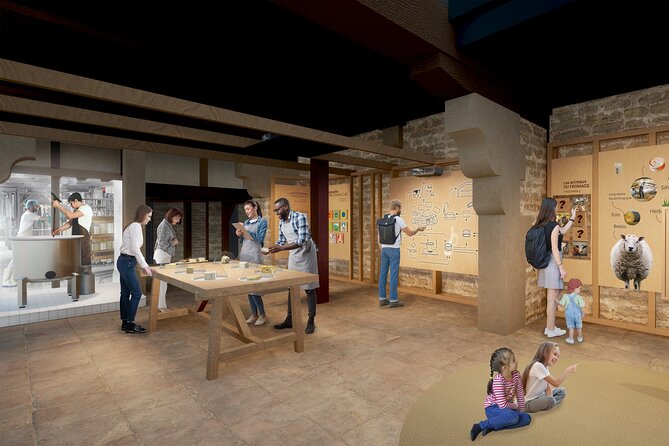
The visit begins with an introduction from a cheese expert before you enter the museum area. The displays cover the story of cheese, basic production methods, and the different styles made across France.
Do not expect a giant national museum. The museum portion is fairly basic, and that is important to understand before you book. The appeal lies less in the size of the displays and more in the explanation that connects the objects and information to the cheeses you later taste.
The strongest part of this section is the attention to traditional work. You learn how artisans handle curds and how small choices during production affect texture, smell, and flavor. Cheese can seem simple on a plate, but the process behind it involves timing, temperature, moisture, and repeated handwork.
The guide also explains regional differences. France does not make one general kind of cheese. Each area has its own methods and local styles, and the tasting gives you a practical way to notice those differences. I find that useful because it turns a familiar food into something you can read more carefully.
Watching cheese being made
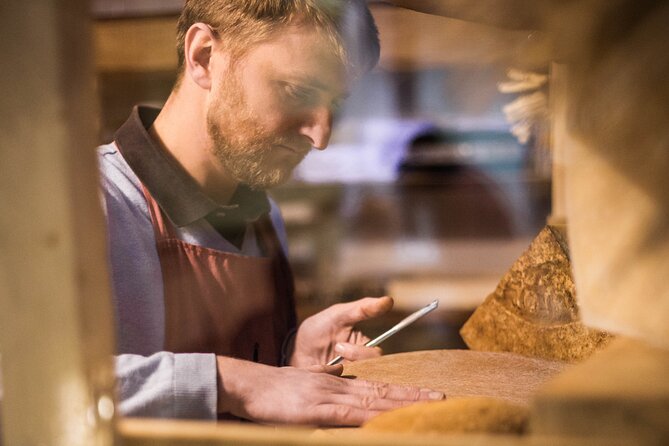
A cheese maker then explains the production process and demonstrates the work in front of you. This is the part that gives the museum its living quality. Instead of only looking at finished products, you get a glimpse of the steps that create them.
The demonstration can include a discussion of curds, techniques, and the careful movements used by artisans. You may also have a chance to ask questions directly. One particularly praised guide, Agathe, was described as funny and well informed, and the bilingual setting can work well for an English-speaking group. Another guide moved between French and English as needed.
The practical warning is simple: this portion depends on supplies. On one occasion, there was no milk available, so the live cheese-making demonstration could not take place. If seeing the actual process is the main reason you are booking, keep that limitation in mind.
The organization may also vary. A poorly prepared session can feel loose, especially if people arrive at different times. The best version of the experience is clearly the one led by a prepared cheese maker who can keep the explanation moving and answer questions. The quality of the host matters a lot here.
Four cheeses, from mild to seriously pungent
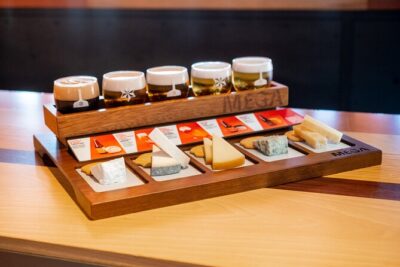
The tasting is the payoff. The planned format includes four French cheeses, selected to show different styles and regional traditions. You are guided through the samples rather than simply handed a plate, so the expert can explain what to notice in the smell, texture, and flavor.
Expect a range. One tasting included cheeses that moved from mild to very strong, including a pungent cheese that turned out to be far more enjoyable than its smell suggested. That is useful advice in Paris, where the stronger cheeses can look intimidating if you have not tried them before. Do not judge the most aromatic sample too quickly.
The tasting also helps make the earlier talk more concrete. After hearing about production, you can connect the method to the cheese in front of you. A soft cheese, a firmer cheese, and a stronger aged style do not just taste different by accident. Their texture and flavor reflect how they were made and handled.
There has been some inconsistency in the tasting itself. The experience is advertised with four cheeses, but one visit included three, and another had too little cheese for the group. That does not appear to be the normal expectation, but it is a reason to keep your expectations practical. This is a guided introduction, not a large cheese lunch.
An optional glass of wine may be offered when you arrive, but wine is not included in the listed price. It can make the tasting feel more complete, yet you should treat it as an extra rather than part of the basic package.
More Guided Tastings in Paris:
- Paris: Montmartre Cheese, Wine & Pastry Guided Walking Tour
★ 4.8 · 2,255 reviews - Paris: French Wine and Cheese Guided Tasting
★ 5.0 · 201 reviews - Paris: Saint-Germain-des-Prés Guided Tour with Wine & Cheese
★ 4.4 · 2 reviews - Louvre & Mona Lisa Guided Tour with Wine & Cheese Experience
★ 5.0 · 2 reviews
How much value do you get for $23.97?
At $23.97, the price sits in the middle range for a short Paris activity. You are not paying for a full meal or an extensive museum collection. You are paying for access to a specialist, a small cultural attraction, a live demonstration, and several tastings.
I think the price works best for people who are genuinely interested in food. If you only want a quick bite of cheese, buying a few pieces at a market or from a fromagerie will cost less. You will also have more freedom to choose exactly what you eat.
The museum adds value by giving the tasting context. You learn why French cheese varies so much from one region to another, then taste examples while the information is still fresh. That combination is more useful than sampling cheese without any explanation.
The price feels less convincing if the demonstration is cancelled, the tasting is short, or the talk lacks structure. Since the whole experience lasts around one hour, a weak session can feel expensive. A well-run visit, however, offers a compact lesson in French food culture that fits neatly into a busy sightseeing day.
Comfort, pace, and practical planning
The visit is near public transportation, and the central location makes it easy to reach as part of a day in Paris. Confirmation is provided at booking, and most people can take part.
You should plan to stand for much of the hour. There is not always a place to sit, and one person found the standing uncomfortable. If you need regular seating, consider this before booking or ask about arrangements when you arrive.
The pace is generally brisk. In one account, the experience lasted about an hour, which is enough time for an introduction, the museum, the making section, and the tasting without turning into a long lecture. You will get more from it if you arrive ready to ask questions and pay attention to the differences between the samples.
The experience is offered in English, making it a practical choice if you want to learn about French cheese without relying on your French vocabulary. The atmosphere can still be bilingual, and guides may switch between French and English when the group includes both languages.
Tips for the expert are not included. They are optional, but a small gratuity is reasonable if the guide gives you a clear demonstration and takes time with your questions.
Who will enjoy this most?
I would recommend this visit to food-minded visitors, couples, small groups, and anyone who wants a break from major sights. It is especially useful if you want a short activity near Notre Dame rather than a full-day excursion.
Families may enjoy the hands-on subject, although the experience is still an explanation-led visit rather than a children’s workshop. Cheese lovers will get the most from it, particularly if they want to understand how French varieties differ instead of simply eating them.
It also suits repeat visitors to Paris. If you have already seen the main monuments, a small museum devoted to French food gives you a different way into the city’s culture. The connection between regional traditions and everyday eating is the real point.
I would be more cautious if you dislike strong smells, need to sit during activities, or expect a large museum with many exhibits. I would also avoid booking it as your only food experience in Paris. Four small samples do not replace lunch.
How to make the most of the hour
Schedule the visit near other Île Saint-Louis sights. Notre Dame is close, and the island is easy to combine with a walk along the Seine. Leave enough time to arrive without rushing, since a late or staggered start can make the talk feel less organized.
Go in with a few questions. Ask how the cheeses differ by region, what creates a firmer or softer texture, and how the maker decides when a cheese is ready. The guide’s answers are likely to add more value than simply listening from the back of the group.
Take the tasting slowly. Smell each cheese first, notice the texture, and then compare the flavors. If one sample is very strong, give it a fair chance. The most pungent cheese may also be the most memorable.
If you want the wine pairing, remember that it costs extra and is offered on arrival. The cheese tasting itself is included, but the wine is not.
Should you book the Musée du Fromage visit?
Book it if you want a short, central, food-focused activity with a real cheese maker and a tasting of French varieties. The strongest sessions offer useful explanations, good questions and answers, and a satisfying range of cheeses. The location near Notre Dame and the choice of departure times make it easy to fit into your plans.
Think twice if you expect a large museum, guaranteed cheese making, comfortable seating, or a substantial meal. The basic displays are modest, and the quality depends heavily on preparation, supplies, and the person leading the session.
For most cheese fans, the experience is a good-value introduction to a major part of French food culture. Just treat it as a compact lesson and tasting, not a grand museum tour. Free cancellation is available if you cancel at least 24 hours before the start time. Cancellations within 24 hours are not refunded.
FAQ
Where is the Musée Vivant du Fromage?
It is on Île Saint-Louis in central Paris, about five minutes from Notre Dame.
How long does the guided cheese visit take?
The experience lasts approximately one hour.
How many cheeses are included in the tasting?
The planned tasting includes four French cheeses.
Is wine included in the price?
No. An optional glass of wine may be offered on arrival, but it costs extra.
Is the visit offered in English?
Yes. The experience is offered in English.
Is the cheese-making demonstration guaranteed?
No. The demonstration depends on having the required supplies, including milk. If supplies are unavailable, the live making portion may not take place.
Can I cancel for a full refund?
Yes. You can receive a full refund if you cancel at least 24 hours before the experience start time. Cancellations made within 24 hours are not refunded.
Just added around Paris
- Paris: Wine and Cheese Pairing★ 5.0 · 4 reviews
- Paris Wine and Cheese Tastings Class near Le Marais★ 5.0 · 4 reviews
- Paris Wine with Cheese Pairing & Tasting Small Group Class★ 5.0 · 6 reviews
- French Wine and Cheese Master Class Near the Eiffel Tower★ 5.0 · 6 reviews
- Private wine tour to Sancerre vineyards from Paris with Sommelier★ 5.0 · 11 reviews
- Paris Wine and Cheese Pairing Private Masterclass in a Bistrot★ 5.0 · 7 reviews
- Paris Marché d’Aligre Walking Tour with Chocolate and Cheese Tasting★ 3.5 · 24 reviews
- Wine and cheese tasting at Latin Quarter★ 5.0 · 15 reviews
Museums, compared.
Guided Visit to the Estrella Galicia Museum with Cheese Pairing
Read our review →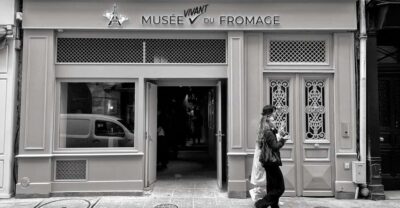
Living Cheese Museum Guided Tour with Cheese Tasting
Read our review →
Day Tour Parmigiano, Ferrari Museum, Balsamic, Lambrusco, Lunch with Transfer
Read our review →
Parmesan and Balsamic Food Tour with Ferrari Museum
Read our review →Parmesan and Balsamic Food Tour with Ferrari Museum
Read our review →Browse the lists this tour appears in