
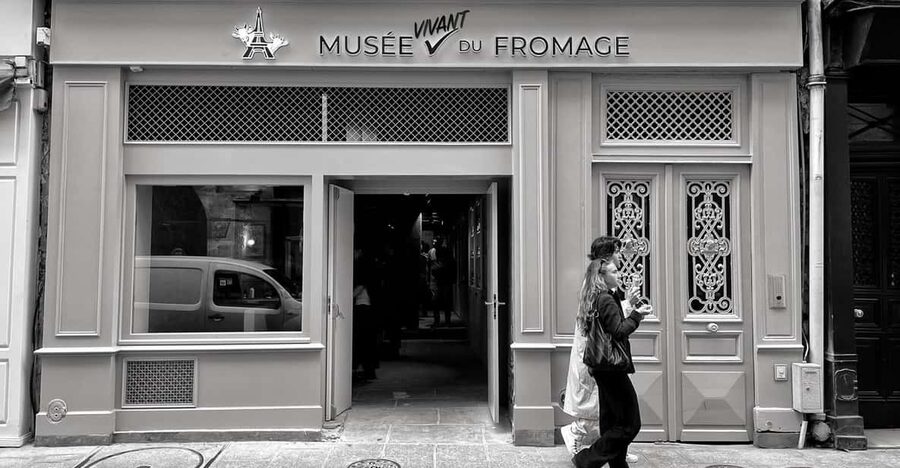
REVIEW · MUSEUMS
Paris: Living Cheese Museum Guided Tour with Cheese Tasting
Cheese makes Paris even more tempting. The Living Cheese Museum offers a compact, hands-on look at French cheesemaking, with a live demonstration, interactive displays, and a tasting of four cheeses at the end. It is a useful stop when you want more than another monument but do not have half a day to spare.
I like the way the experience connects French cheese with regional traditions, rather than treating it as a simple snack stop. I also like the passionate guides, including guides named Gabriel and Thomas in recent sessions, who explain the process in clear, lively terms. The main consideration is the short one-hour format. You get a brisk introduction, not a full cheesemaking course, and busy sessions may feel less personal.
Key things to know before you go
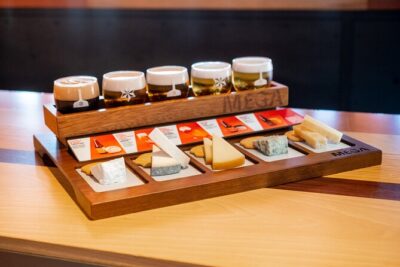
- The tasting includes four pieces of cheese, giving you a quick sample of different French styles.
- A cheesemaker demonstrates the craft live, so you can see the work rather than only read about it.
- The museum is on Île Saint-Louis, at 39 Rue Saint-Louis en l’Île, a central spot for pairing with a walk along the Seine.
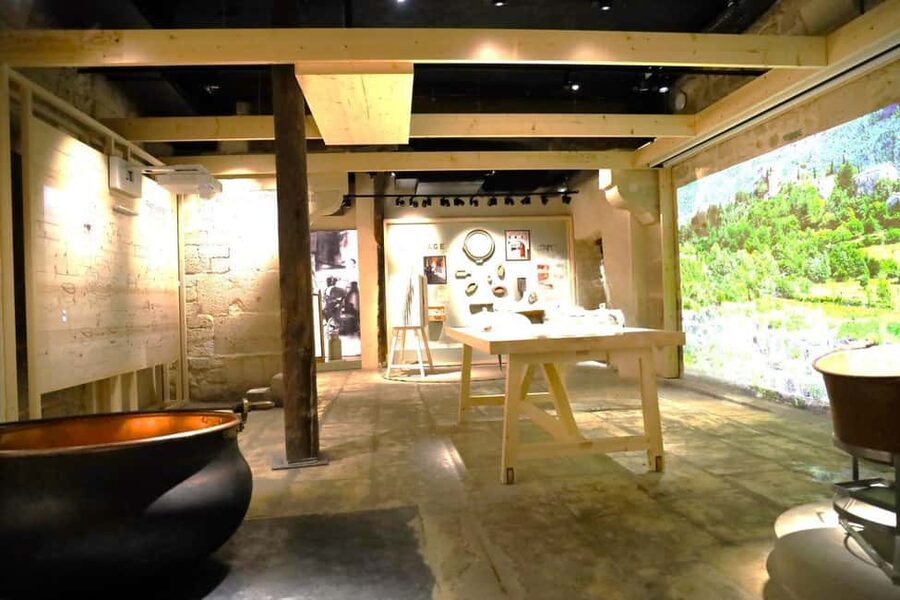
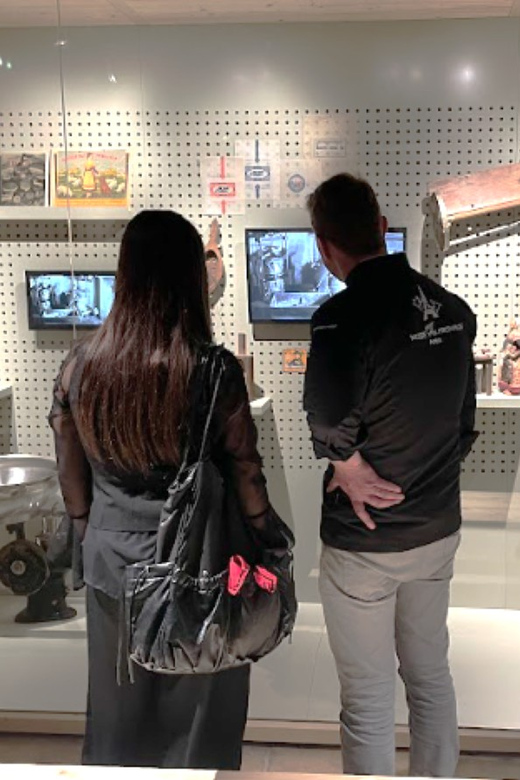
- The displays are interactive, with material about cheese, its production, and its place in French culture.
- The visit lasts one hour, though you can arrive 15 to 30 minutes early to look around the exhibition.
- English and French tours are available, and the venue is wheelchair accessible.
A small museum with a very French subject
The Living Cheese Museum is built around a subject France takes seriously: how milk becomes cheese, and how local methods shape the final taste. You are not simply shown a case of finished products. The experience explains the work behind them, from the role of the cheesemaker to the traditions tied to French regions.
That setting matters. Cheese is part of daily French life, but it is also linked to farming, local identity, and old production methods. A short visit here gives you a better sense of why a French cheese counter can feel like a small geography lesson.
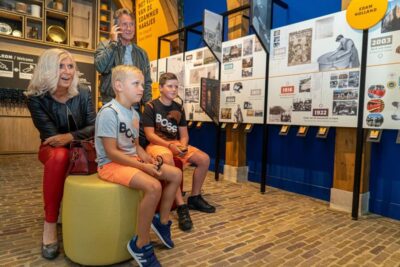
The museum uses interactive displays to make the subject easier to follow. You may find information about the history of cheese, the science behind its texture and flavor, and the different steps involved in making it. The format is particularly useful if you enjoy learning how food is made but do not want a formal lecture.
I would not expect a large museum with room after room of objects. This is a focused experience. Its appeal comes from the combination of displays, live explanation, and tasting.
More Museum Visits in Paris:
- Guided visit of the Cheese Museum with Tasting Included
★ 4.5 · 37 reviews - Guided Visit to the Estrella Galicia Museum with Cheese Pairing
★ 5.0 · 218 reviews - Fuerteventura: Tickets to Salt, Cheese and Windmill Museums
★ 4.4 · 129 reviews
Starting at 39 Rue Saint-Louis en l’Île
The meeting point is 39 Rue Saint-Louis en l’Île, on Île Saint-Louis in central Paris. The tour begins and ends at the same address, so you do not need to arrange transportation between stops.
That makes it easy to fit into a day of sightseeing. You can pair it with a walk around Île Saint-Louis, a visit to nearby central Paris, or time along the Seine. Since the full visit takes one hour, it works well between larger attractions.
You should arrive 15 to 30 minutes before your scheduled guided visit. This early time is intended for looking around the exhibition before the main program begins. It is a useful tip because the guided hour itself moves quickly, and the displays give you more context before the cheesemaking presentation starts.
The location is convenient, but the central setting also means the experience is best treated as a planned appointment. Check the available starting times before building the rest of your day around it.
Seeing cheese made in front of you
The live cheesemaking demonstration is the heart of the visit. Instead of only hearing about methods in the abstract, you watch a cheesemaker work in the museum’s small dairy.
That practical element gives the visit its value. Cheese can seem simple when it is sitting on a plate, but the finished product depends on careful handling and a chain of decisions. The guide explains the process and the traditions behind it, helping you connect the craft with the cheese you will taste later.
The style of the explanation appears to depend on the guide, but the strongest sessions have featured passionate presenters. Gabriel was praised for fitting a great deal of information into one hour, while Thomas was described as energetic and engaging. Another guide, praised in a separate visit, explained the subject in a way that worked well for children.
You might find the demonstration especially rewarding if you enjoy food science. One visitor with a science background found the process particularly interesting, and the museum’s displays cover both the cultural side of cheese and the science behind its flavor and texture.
There is one practical limitation. If the group is large, you may not have the same close-up view or personal attention as you would in a private class. One session had enough people to split the French and English speakers, which helped keep the explanations clear but also meant the guide had to repeat material.
The four-cheese tasting at the end
The tasting comes after the explanation, which is the right order. Once you know a little about production and regional traditions, you can pay closer attention to what is on your plate.
You receive four pieces of cheese. That is enough for a useful comparison without turning the hour into a full meal. The tasting is also a chance to test your own preferences. You may find that a cheese you would have passed over at a shop becomes more interesting once its texture, method, or regional character has been explained.
The tasting is widely praised for flavor and value. Several visitors enjoyed the cheeses enough to buy some to take back to their hotels. If you have room in your schedule, the shop visit afterward makes it easy to continue the experience beyond the museum.
Do not assume that wine is included. One account mentions red wine alongside the tasting, but the stated inclusions cover the guided visit, cheesemaking demonstration, and cheese tasting only. If wine matters to you, ask on the day rather than counting on it.
Four samples will not represent every major French cheese style. That is not a fault so much as a limit of the one-hour format. Think of the tasting as an introduction that may help you order with more confidence at a Paris cheese shop later.
More Guided Tastings in Paris:
- Paris: Montmartre Cheese, Wine & Pastry Guided Walking Tour
★ 4.8 · 2,255 reviews - Paris: French Wine and Cheese Guided Tasting
★ 5.0 · 201 reviews - Paris: Saint-Germain-des-Prés Guided Tour with Wine & Cheese
★ 4.4 · 2 reviews - Louvre & Mona Lisa Guided Tour with Wine & Cheese Experience
★ 5.0 · 2 reviews
The shop and souvenir boutique
The visit ends with a tour of the cheese shop and souvenir boutique. This is a practical finish, especially if you discover a favorite during the tasting.
You can use the shop to continue exploring French cheese, although the supplied information does not specify the full range of products or souvenir prices. I would treat this part as an optional browse rather than a required purchase.
The shop also gives the experience a useful connection to everyday Paris. You are not just looking at a display and walking away. You can take the flavor lesson with you, either by buying cheese for your hotel or by using what you learned when shopping elsewhere.
Remember that transport is not included. That is not a serious issue because the tour stays at the starting address, but you are responsible for getting to Île Saint-Louis and continuing on your own afterward.
Why the one-hour length works
A one-hour tour is short enough for most itineraries and long enough to cover the main points. You get the museum displays, the live demonstration, an explanation of French cheese traditions, four tastings, and a look at the shop.
The pace is also the experience’s main weakness. If you want detailed instruction or time to practice making cheese, this is not the right product. One recent visitor was already interested in returning for a separate cheesemaking class, which suggests that the museum visit can work well as an introduction rather than a final lesson.
For families, the compact length is helpful. Children can see the demonstration and use the interactive displays without having to sit through a long talk. A family visit also benefits from the tasting at the end, though young children may have strong opinions about unfamiliar textures.
For food lovers, the hour is easy to justify. For someone who does not care for cheese, the experience may feel too narrow, even though the cultural and scientific material adds some variety.
Is $23 a good value?
At $23 per person, the experience offers more than a simple tasting. Your price covers a guided visit, the live cheesemaking demonstration, the museum material, and four cheese samples.
That is good value if you want an organized introduction to French cheese. A cheese plate in Paris can cost a similar amount, but here you also get the explanation and the chance to see the work behind the food. The value is strongest for first-time visitors who want a memorable local subject without committing to a long cooking class.
The value is less clear if your only goal is to eat cheese. You could spend the same time visiting a cheese shop or ordering a plate elsewhere, possibly with more food. This museum earns its price through the presentation and the craft demonstration.
Some past feedback refers to a price of about 20 euros, while the current supplied price is $23 per person. Check the amount shown when you book, since prices and currency displays may differ.
Who will enjoy this most?
I would recommend the tour to several types of visitors:
- Food-focused visitors who want context before tasting.
- Families looking for a short indoor activity with interactive displays.
- Curious beginners who know little about French cheese.
- Science-minded visitors interested in how production affects flavor and texture.
- Rainy-day planners who need a compact indoor stop.
- Repeat Paris visitors looking for something different from the standard museum circuit.
It is less suitable for anyone seeking a long workshop, a large meal, or a highly personal private experience. Group size can vary, and a crowded session may feel more like a presentation than a conversation.
The language choice is another point to check. Tours are offered in French and English, which is helpful, but larger sessions may be divided by language. That can improve clarity while making the group feel less intimate.
Booking and timing tips
You can cancel up to 24 hours in advance for a full refund, and the reserve-now, pay-later option lets you keep your schedule flexible. These terms are helpful in Paris, where weather, train delays, and changing plans can affect a day.
Book a starting time that leaves room around the visit. The tour itself lasts one hour, and you should arrive 15 to 30 minutes early to see the exhibition. Add extra time if you plan to browse the cheese shop or buy something for later.
Because the tour begins and ends at 39 Rue Saint-Louis en l’Île, it is simple to combine with nearby sightseeing. You do not need to budget for a transfer during the activity. The venue is also wheelchair accessible, an important practical advantage for visitors who need step-free access.
Should you book the Living Cheese Museum?
Book it if you want a short, affordable introduction to French cheesemaking with real explanation behind the tasting. The strongest reasons are the live dairy demonstration, the four cheeses, the interactive displays, and guides who bring energy to the subject.
I would especially recommend it for a rainy afternoon, a family outing, or a food-focused day on Île Saint-Louis. Go in expecting an informative one-hour sampler, not a full class or a large meal. At $23, it is a sensible choice for anyone who wants to understand French cheese before ordering more of it around Paris.
FAQ
Where does the Living Cheese Museum tour begin?
The tour begins at 39 Rue Saint-Louis en l’Île on Île Saint-Louis in Paris. It also ends at the same address.
How long does the experience last?
The guided experience lasts one hour. You can arrive 15 to 30 minutes early to look around the exhibition before the guided visit begins.
What is included in the tour?
The price includes the guided visit, a live cheesemaking demonstration, and a tasting of four pieces of cheese.
Is transportation included?
No. Transportation is not included, and you are responsible for getting to and from 39 Rue Saint-Louis en l’Île.
Are English-language tours available?
Yes. Live guides are available in English and French.
Is the venue wheelchair accessible?
Yes. The Living Cheese Museum is wheelchair accessible.
Just added around Paris
- Paris: Wine and Cheese Pairing★ 5.0 · 4 reviews
- Paris Wine and Cheese Tastings Class near Le Marais★ 5.0 · 4 reviews
- Paris Wine with Cheese Pairing & Tasting Small Group Class★ 5.0 · 6 reviews
- French Wine and Cheese Master Class Near the Eiffel Tower★ 5.0 · 6 reviews
- Private wine tour to Sancerre vineyards from Paris with Sommelier★ 5.0 · 11 reviews
- Paris Wine and Cheese Pairing Private Masterclass in a Bistrot★ 5.0 · 7 reviews
- Paris Marché d’Aligre Walking Tour with Chocolate and Cheese Tasting★ 3.5 · 24 reviews
- Wine and cheese tasting at Latin Quarter★ 5.0 · 15 reviews
Museums, compared.
Guided Visit to the Estrella Galicia Museum with Cheese Pairing
Read our review →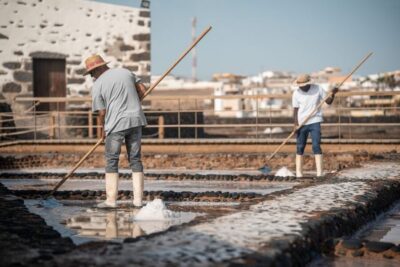
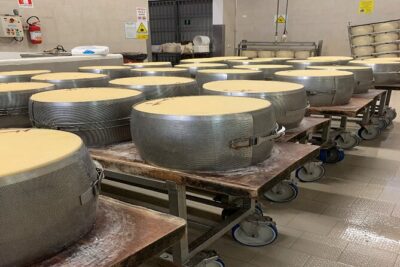
Day Tour Parmigiano, Ferrari Museum, Balsamic, Lambrusco, Lunch with Transfer
Read our review →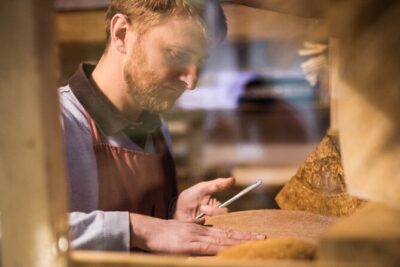
Guided visit of the Cheese Museum with Tasting Included
Read our review →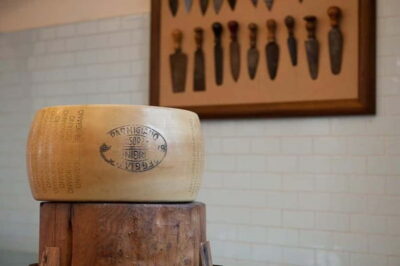
Parmesan and Balsamic Food Tour with Ferrari Museum
Read our review →Parmesan and Balsamic Food Tour with Ferrari Museum
Read our review →Browse the lists this tour appears in