
REVIEW · CHEESE AND CHARCUTERIE BOARDS
Tasting of 6 Bordeaux wines and pairing charcuterie & cheese
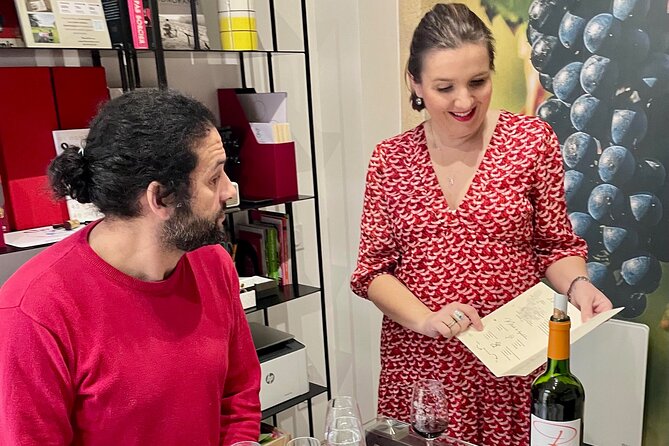
Bordeaux makes more sense after a good tasting. This small-group session gives you a friendly introduction to Bordeaux wine, with six selected wines, food pairings, and clear lessons on appellations, soil, grape varieties, blending, and French labels. I especially like the intimate group size of no more than six people and the chance to taste wines from both the Left Bank and Right Bank without leaving the city.
I also like the practical teaching style of Cécilia and Mathilde, who are trained at the University of Wine. The main drawback is the food: the charcuterie and cheese are tasting portions, not a meal, and the pairing element can feel brief if you expect a separate dish with every glass.
Key points at a glance
- Six Bordeaux wines in about 75 minutes: The tasting covers a broad range, including dry whites, reds, a mystery wine, and a sweet wine, though the exact selection may vary.
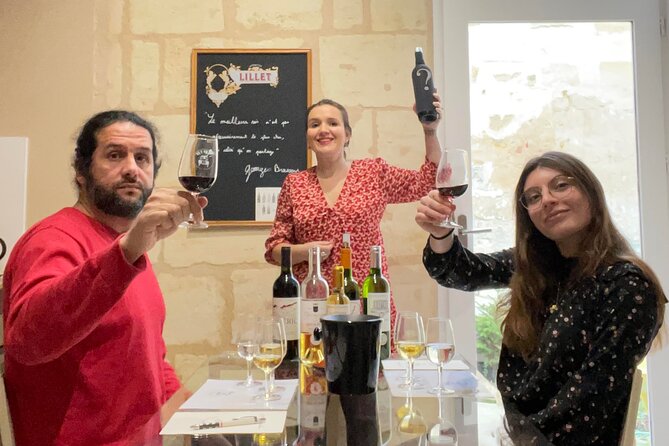
- Small groups make questions easy: With a maximum of six people, you get more personal attention than at a large cellar presentation.
- Left Bank versus Right Bank: Soil, grape blends, and style become easier to understand when the two sides of the Gironde are compared directly.
- Professional but relaxed hosts: Cécilia and Mathilde explain wine in plain English, with humor and useful advice.
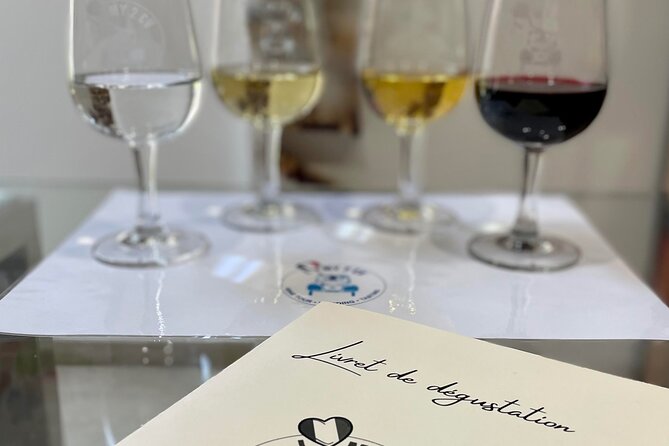
- A tasting booklet is included: You leave with notes to help you practice at home and read French wine labels with more confidence.
- The city location saves time: You can learn about Bordeaux wine without booking a full vineyard excursion.
A city tasting that teaches you how Bordeaux fits together
This is not simply a flight of glasses placed in front of you. The point is to give you a working map of Bordeaux wine before you start buying bottles or visiting châteaux.
You meet at 25 Avenue Thiers in Bordeaux and return to the same place when the session ends. Depending on the season, the tasting takes place in a private courtyard, a cellar, or a furnished tasting room. That variety gives the experience a local, personal feel, though the setting is not fixed, so you should not book expecting one specific room or courtyard.
The group is capped at six people. That matters here. Wine instruction works best when you can ask why one bottle tastes fruitier than another, or admit that you cannot smell the aroma everyone else is describing. The small format gives the host room to adjust the explanation to your level, from complete beginner to someone already comfortable with wine.
The session is offered in English. The information also notes that Spanish classes are not available from August 14 through August 24, so check the language details carefully if Spanish instruction is important to you.
More Cheese and Charcuterie Boards in France
- Bordeaux: Wine Masterclass with Cheese and Charcuterie Board
★ 4.9 · 184 reviews - Introduction to Bordeaux wines paired with cheeses & charcuterie
★ 5.0 · 175 reviews - Bordeaux Wines Masterclass paired with cheeses & charcuterie
★ 5.0 · 110 reviews
The first glass: learning to taste without the fuss
The tasting begins with the basic mechanics of wine tasting. You learn to look at the wine, smell it, taste it, and think about how the finish develops. This sounds simple, but a good guide can make it useful rather than theatrical.
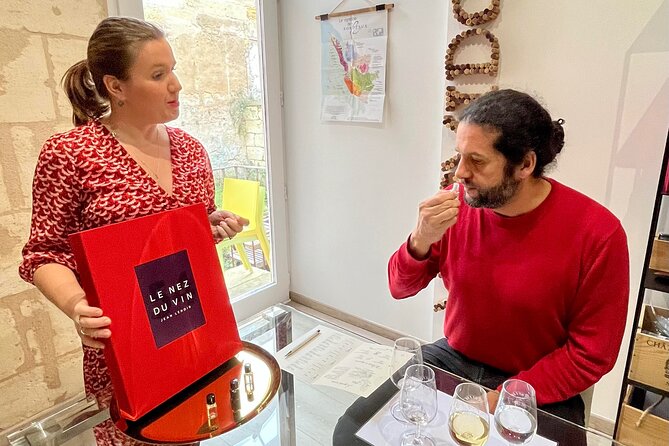
Cécilia and Mathilde use aroma exercises to help you connect smells with what is in the glass. One session included different scents similar to those used in wine school. This is helpful if you often feel lost when tasting notes mention flowers, fruit, spice, or earth.
You are not expected to identify every aroma correctly. The better lesson is learning how to describe your own response. You may prefer a bold wine, a fruity wine, a crisp white, or something soft and sweet. The tasting is designed to help you understand those preferences rather than simply memorize wine terms.
The hosts also explain how to read French wine labels. That is one of the most useful parts for a visitor. French labels often emphasize the appellation and estate rather than listing grape varieties in large type. After this lesson, a bottle from Bordeaux should feel less like a code.
Six glasses, several styles, and one useful surprise
The core of the session is six Bordeaux wines. The selection includes a mystery wine, dry whites from the Left and Right Bank, red wines showing different blends and origins, and a soft or sweet wine. The exact mix can vary, and past tastings have included combinations such as white, red, rosé, and Sauternes-style sweet wine.
Because the experience is built around comparison, the order matters. You taste differences rather than treating each glass as an isolated sample. A white from one side of the river can be compared with a white from the other side. Red blends help show why Bordeaux is famous for combining grape varieties instead of relying on one grape alone.
The mystery wine adds a bit of play. It turns tasting into a test of observation, not just a lecture. You use color, aroma, acidity, body, and finish to form an opinion before the answer is revealed.
The wines come from both family estates using organic farming and Grands Crus Classés. That gives you a useful range, although you should not assume every bottle is a famous or expensive label. The value is in the contrast between producers and styles.
One practical point deserves attention: the description of the wine categories can sound like more than six glasses when counted literally. The advertised experience is six wines, and the final selection may change by session. If the exact number or style of each wine is essential to you, ask before booking.
Left Bank and Right Bank, made less confusing
Bordeaux is often explained through its two riverbanks, but the idea can remain abstract until you taste the difference.
The Left Bank is associated with gravelly soils and blends where Cabernet Sauvignon often plays an important role. The Right Bank is known for different soil conditions and blends where Merlot commonly has a larger part. The tasting does not turn this into a geology lesson for its own sake. Instead, soil, grape variety, and blending are connected to the way the wine feels in your glass.
This comparison is one of the strongest reasons to choose the full tasting rather than a red-only or white-only session. A red wine drinker may learn why one bottle feels firmer and more structured while another seems rounder and fruitier. A white wine drinker can compare freshness, texture, and sweetness across styles.
The hosts also explain Bordeaux classifications and appellations. These are not identical ideas. An appellation tells you where the wine comes from under regional rules, while a classification ranks certain estates or wines according to a particular system. You do not need to become a wine scholar, but this distinction helps when you browse a Bordeaux shop.
More Wine and Cheese Tastings in France
- Professional – Bordeaux Wine and Cheese Tasting with a walking tour
★ 5.0 · 218 reviews - Bordeaux Gourmet Experience: Cheese & Wine Tasting
★ 4.6 · 169 reviews - Bordeaux Gourmet Experience : tasting of French cheeses & wines
★ 4.5 · 71 reviews - Bordeaux Afternoon Food Tour : Sweets, Wine and Cheese
★ 5.0 · 38 reviews
Food pairing: useful, but keep your expectations modest
Charcuterie and cheese are included as a food and wine pairing. The food is there to show how a bite can change your perception of a wine. Salt, fat, creaminess, and savory flavors can make a dry wine seem different from how it tasted alone.
The portions are small. Some sessions provide two cheeses and two meats, while other descriptions refer to a quality charcuterie board with bite-sized pairings. I would treat this as a tasting aid, not lunch.
This is also where expectations can get out of step with the wording. The experience may be described as pairing food with the wines, but you might not receive a new cheese or meat course with every glass. If you are hungry, book the optional picnic with local products in advance or plan a separate meal.
Vegetarian visitors should state their dietary needs clearly and confirm them before arriving. A vegetarian request was not properly honored on one occasion, so do not rely on the host noticing it automatically. This is a small experience, and advance communication matters.
The hosts are the main reason the session works
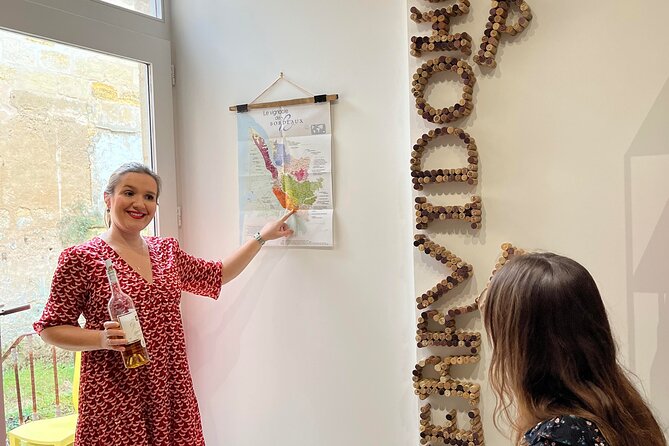
The strongest part of this tasting is the instruction. Cécilia is praised for explaining the Left Bank and Right Bank, soil, and grape choices in a way that connects with personal taste. She also offers practical suggestions about where to go and what to drink in Bordeaux.
Mathilde brings a warm, patient style and explains regions, aromas, blending, and French labels without making beginners feel behind. One session with a biologist as the guide focused on the science and traditions behind wine production. That suggests the teaching can take different shapes while staying grounded in clear information.
The hosts are also comfortable with mixed ability levels. You might arrive knowing almost nothing about Bordeaux, while someone else in the group has visited several wineries. The small size gives the host a chance to answer both basic and more detailed questions.
English is described as clear and easy to follow. Still, one mixed French and English session ended abruptly because the presentation took longer than expected. If the group includes more than one language, the pace may be less predictable.
Timing matters more than you might expect
The formal duration is about one hour and 15 minutes. That is long enough for six wines and a useful introduction, but not long enough for a leisurely meal or a full wine-school lesson.
Some sessions may run closer to an hour and a half, while a rushed visit can be much shorter. One person arrived early because a train back to a cruise ship was tight, and the host kindly began the tasting early. The result was a condensed presentation of about 40 minutes. That was helpful in the moment, but it is not the best way to enjoy the session.
If you are coming from a cruise port, check the train and bus times before booking. A later start can leave you racing for the return journey. An 11:30 a.m. option is available and may work better for a day trip into Bordeaux. Build in enough time to reach the meeting point and return to your ship or train without cutting the tasting short.
Arrive on time. A late arrival can be accommodated, but it may reduce the time available for the full presentation.
What the price includes at $54.44
At $54.44 per person, this is not the cheapest way to drink wine in Bordeaux. You can always order a glass at a bar for less. That comparison misses the point, though.
The price includes six glasses, guided instruction, food pairing, and a tasting booklet. You are paying for context and comparison, not just liquid. The chance to taste family-estate wines, organic wines, classified growths, dry whites, reds, and sweet wine in one sitting gives the session a reasonable value for a first visit to Bordeaux.
It is especially useful if you do not have time for a full-day vineyard trip. You can learn the main regional ideas in the city, buy a bottle with more confidence, and use the booklet to continue tasting at home. Bottles tasted during the session are available for purchase, which is convenient if one suits your taste.
The value is weaker if you expect a large meal, generous pours, or a long technical seminar. Portions of cheese and charcuterie are modest, and the session is compact. Think of it as a focused wine lesson with snacks, not a dinner.
Who will enjoy this Bordeaux tasting most?
I would recommend it to a first-time Bordeaux visitor who wants to understand the region before shopping for wine. It also suits couples, solo visitors, and small groups who prefer conversation over a large commercial tasting room.
It is a good choice if you want to compare red and white wines. The red-only and white-only options may suit a more specialized interest, but the broader tasting gives you a better picture of Bordeaux.
You should also consider it if a vineyard excursion does not fit your schedule. The city meeting point keeps the commitment to about 75 minutes, and the return to the same location makes it easy to continue sightseeing afterward.
It may not suit you if you want a substantial lunch, a long visit among vines, or a fixed menu of specific famous estates. It is also a less comfortable choice when your transport schedule is tight. The tasting is best enjoyed without watching the clock.
Booking details worth knowing before you go
Confirmation is provided when you book, and the experience accepts mobile tickets. The meeting point is 25 Avenue Thiers, 33100 Bordeaux, and the activity ends there.
Service animals are allowed, and the location is near public transportation. Most people can take part, but food requirements should be confirmed in advance, especially vegetarian requests.
Free cancellation is available up to 24 hours before the scheduled start time for a full refund. Changes or cancellations made less than 24 hours before the start are not accepted for a refund. The time limit follows Bordeaux local time.
Should you book it?
Book this tasting if you want a friendly, efficient introduction to Bordeaux wine with real instruction rather than a row of unexplained glasses. The small group, clear English, Left Bank and Right Bank comparisons, and practical label advice make it especially useful early in a Bordeaux visit.
I would skip it if your main goal is a vineyard day or a full meal. Also check the start time carefully if you are arriving by train or cruise transfer. For most visitors with about 75 minutes to spare, this is a smart way to make Bordeaux wine less mysterious and your next bottle easier to choose.
FAQ
How many wines are included?
The experience includes six glasses of Bordeaux wine. The selection may include a mystery wine, dry whites, red blends, and a soft or sweet wine.
How long does the tasting last?
The scheduled duration is approximately one hour and 15 minutes.
Where does the tasting begin and end?
It begins at 25 Avenue Thiers, 33100 Bordeaux, France, and ends back at the same meeting point.
Is the tasting offered in English?
Yes. English is one of the offered languages. No Spanish classes are available from August 14 through August 24.
How large is the group?
The activity has a maximum of six participants.
Are food and drinks included?
Yes. The price includes six glasses of wine, snacks, a food and wine pairing, and a tasting booklet. Lunch is not included, though a picnic with local products can be reserved separately.
Can I cancel for a full refund?
Yes. You can cancel at least 24 hours before the local start time for a full refund. Cancellations or changes made less than 24 hours before the start are not accepted for a refund.
More Wine and Cheese Tastings in Bordeaux
- Blind Tasting: 4 Bordeaux Natural Wine + Cheese experience
★ 4.8 · 35 reviews - Wine Masterclass & Cheese Tasting Workshop in Bordeaux
★ 5.0 · 29 reviews - Bordeaux wines : tasting with 4 white wines and cheeses
★ 5.0 · 24 reviews - Tasting of Bordeaux White Wines Wine and Cheese Pairing
★ 5.0 · 10 reviews
More Cheese and Charcuterie Boards in Bordeaux
- Tasting of Bordeaux red wines, wine and charcuterie pairings
★ 5.0 · 24 reviews - Budapest: Wine, Cheese, and Charcuterie Tasting
★ 4.9 · 647 reviews - Hungarian Wine Tasting (with Cheese and Charcuterie) in Budapest
★ 5.0 · 531 reviews - Full-Day Group Wine Tour (with cheese and charcuterie) in Niagara-on-the-Lake
★ 5.0 · 349 reviews
Just added around Bordeaux
- Wine Masterclass & Cheese Tasting Workshop in Bordeaux★ 5.0 · 2 reviews
- Tasting of Bordeaux White Wines Wine and Cheese Pairing★ 5.0 · 10 reviews
- Wine Masterclass & Cheese Tasting Workshop in Bordeaux★ 5.0 · 29 reviews
- Wines and Cheeses: Learning to combine perfectly★ 4.5 · 7 reviews
- Tasting of Bordeaux red wines, wine and charcuterie pairings★ 5.0 · 24 reviews
- Bordeaux Night Walk Ending with Delicious wine & cheese Tasting★ 5.0 · 10 reviews
- Highlights of Bordeaux Walking Tour + Wine & Cheese Tasting★ 4.5 · 5 reviews
- Bordeaux Food Tour : Sweets, Cheese & Wine pairing workshop★ 5.0 · 8 reviews
Cheese and Charcuterie Boards, compared.
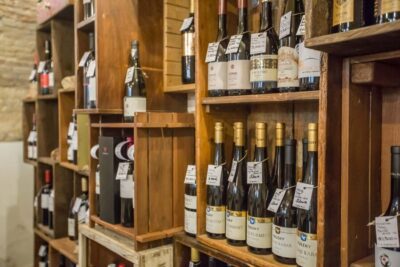
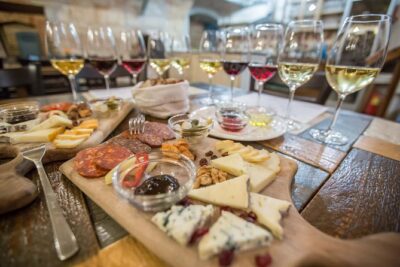
Hungarian Wine Tasting (with Cheese and Charcuterie) in Budapest
Read our review →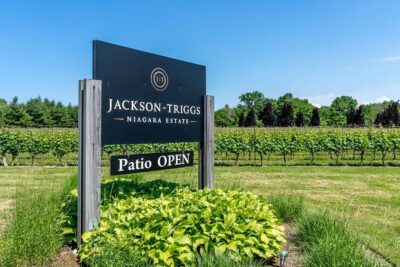
Full-Day Group Wine Tour (with cheese and charcuterie) in Niagara-on-the-Lake
Read our review →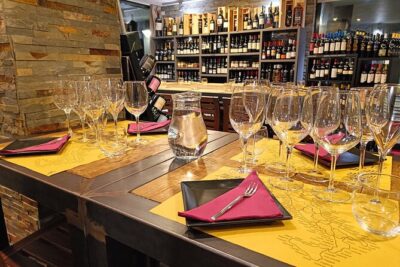
Taste of Lake Como: 4 Wines Paired with Local Cheese Charcuterie
Read our review →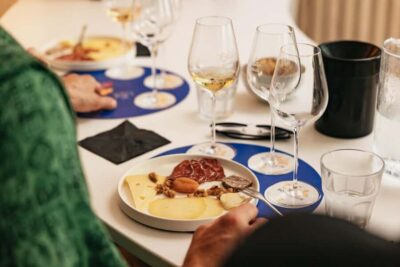
Wine Masterclass with Cheese and Charcuterie Board
Read our review →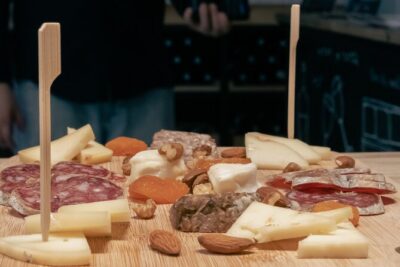
Introduction to Bordeaux wines paired with cheeses & charcuterie
Read our review →
Between the Lines Cheese and Charcuterie Picnic
Read our review →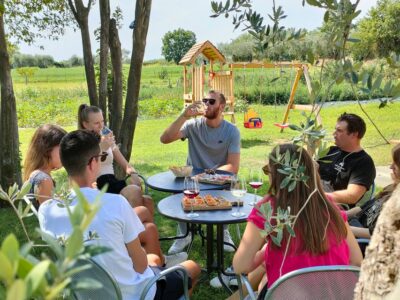
Lazise: Wine Tasting with Charcuterie and Cheese Board
Read our review →Browse the lists this tour appears in