
REVIEW · CHEESE AND CHARCUTERIE BOARDS
Introduction to Bordeaux wines paired with cheeses & charcuterie
Bordeaux makes more sense after three glasses. This one-hour workshop near the Grand Théâtre gives you a friendly introduction to terroir, grape varieties, and appellations, then turns theory into something you can taste. I like the clear left-bank and right-bank comparison, and I like that local cheese, charcuterie, baguette, and water are included. The main catch is pace: the session is short, and some groups have found it rushed.
You meet at 2ter Rue Mably at 2:30 p.m., right in central Bordeaux. The small setting keeps the conversation personal, with a maximum of 12 people, though the experience is described as private and may sometimes feel busy if another group is expected soon. English is offered, but confirm the language at booking if it matters to you.
Key points at a glance
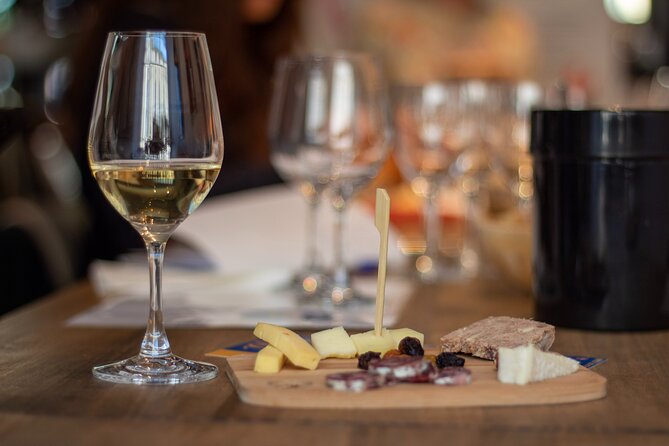
- Three wines, three useful lessons: Start with a white wine, then compare red wines from Bordeaux’s Left Bank and Right Bank.
- One bottle is a Bordeaux grand cru: The tasting gives you a chance to try a higher-level wine without buying a full bottle.
- Cheese and charcuterie are included: Local cold cuts, cheeses, and fresh baguette make the tasting feel like a small meal.
- Central Bordeaux location: The meeting point is only two steps from the Grand Théâtre, handy before dinner or after sightseeing.
- Approachable for beginners: You need no previous wine knowledge, and the host adapts explanations to the group.
- Ask about the session language: English is offered, but one recent session was conducted mainly in French with some English help.
A practical first taste of Bordeaux
Bordeaux wine can seem like a code made of unfamiliar place names. Médoc, Libournais, Left Bank, Right Bank, grand cru, appellation: these terms appear on labels long before they make sense in your glass.
This workshop gives you a usable starting point. Instead of sending you straight to a vineyard outside the city, it puts the basics into a compact class in central Bordeaux. You learn the main ideas, taste three wines, and get a simple framework for choosing bottles later.
That format works well if you are in Bordeaux for only a few days. It also suits anyone who has visited wine shops and felt lost in front of a wall of French labels. The point is not to turn you into a sommelier in an hour. It is to help you taste with more confidence and understand why Bordeaux wines can differ so much.
The session costs about $35.09 per person. For that price, you receive three tastings, a cheese and charcuterie board, instruction from a wine expert, printed information, and water. I consider that fair value, especially because one of the reds is a Bordeaux grand cru. You are paying for guidance as much as for the wine.
The trade-off is time. The advertised duration is about one hour, although one participant described the class as lasting closer to an hour and a half. The exact pace may depend on the group and the host. If you want a long, leisurely tasting with extensive bottle-by-bottle discussion, this may feel brief.
More Cheese and Charcuterie Boards in France
- Tasting of 6 Bordeaux wines and pairing charcuterie & cheese
★ 5.0 · 199 reviews - Bordeaux: Wine Masterclass with Cheese and Charcuterie Board
★ 4.9 · 184 reviews - Bordeaux Wines Masterclass paired with cheeses & charcuterie
★ 5.0 · 110 reviews
Starting with the tasting method
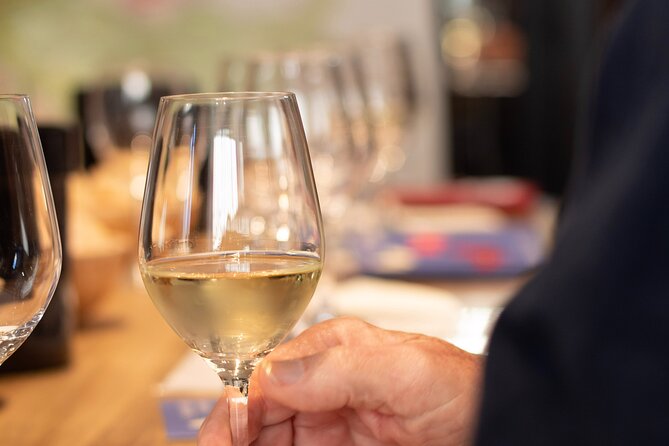
The class begins with a white wine. This is more than a warm-up pour. It gives the host a clean way to teach the basic tasting method used across the wine world.
You learn to look at the wine, smell it, and taste it with purpose. The method helps you move beyond simply saying whether you like a wine. You begin to notice appearance, aroma, texture, acidity, and finish.
For a beginner, this opening is useful because it gives the rest of the session a structure. You are not just drinking three unrelated samples. You are practicing the same process with each one, making the differences easier to spot.
The white wine also provides a gentle entry point before the red wines. Bordeaux is best known for red wine, but starting with white gives the host a chance to explain the universal steps without immediately getting lost in regional detail.
The presentation is designed to be informal. You can ask questions, and the host is there to explain terms without making you feel foolish for not knowing them. Several hosts have been praised for using humor and clear examples, and names such as Antoine, Toku, Anna, Vincent, and Helene appear in individual accounts of the experience. The exact host will depend on your booking date, but the repeated strength is the friendly teaching style.
Left Bank and Right Bank in two red wines
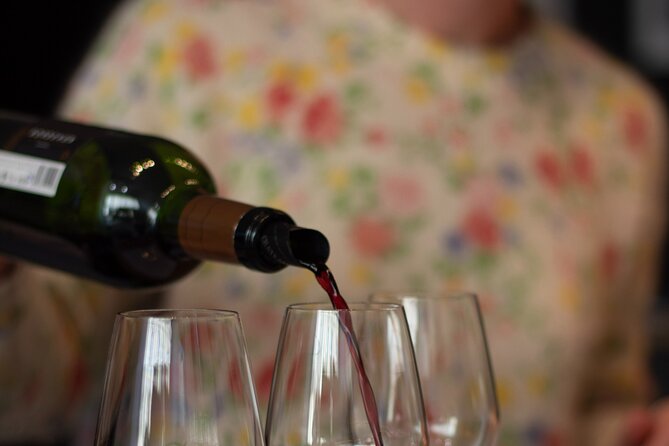
The heart of the workshop is the comparison between two red wines, one from Bordeaux’s Left Bank and one from the Right Bank. This is the most useful part for anyone who plans to explore Bordeaux wine further.
The two areas are separated by the Gironde estuary and its connected rivers. The Left Bank includes the Médoc, while the Right Bank includes the Libournais. You do not need to memorize every village or grape variety to benefit from the comparison. The point is to understand that the river divides two major Bordeaux wine zones with different traditions and styles.
The host introduces the regional differences while you taste. This gives the geography a place in your memory. Instead of seeing Médoc and Libournais as names on a map, you connect them with actual aromas, flavors, and textures.
One of the red wines is a Bordeaux grand cru. That detail adds value, but keep your expectations sensible. A grand cru tasting is an opportunity to study a respected style, not a guarantee that it will be your favorite wine. Wine is personal, and the workshop encourages you to form your own opinion.
I especially like this two-glass comparison for people who are considering a vineyard excursion later. After the class, you should have better questions to ask and a clearer idea of what you are tasting. You may also feel more comfortable ordering a Bordeaux bottle in a restaurant.
Cheese, charcuterie, and the missing pairing detail
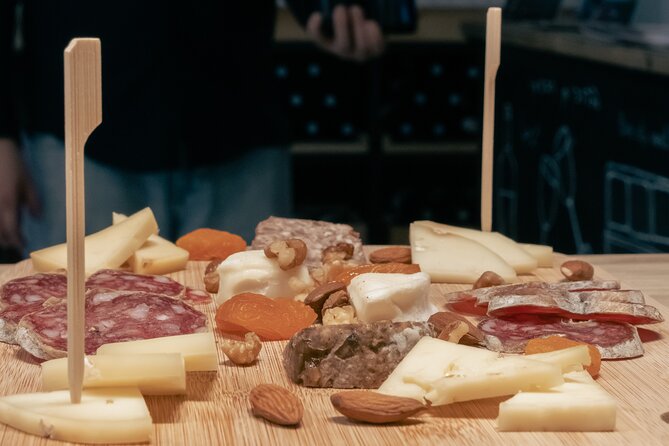
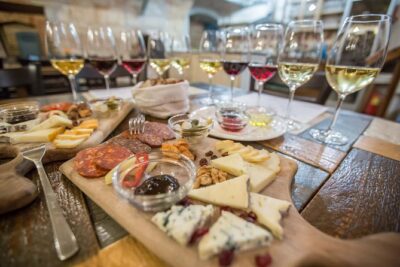
The food board includes local cheeses, cold cuts, and fresh baguette. Water is also available. The food is included at no extra charge, so the $35.09 price is not just paying for small pours and a lecture.
The cheese and charcuterie help keep the class relaxed. Wine can taste different with salty meat, creamy cheese, and bread, and the food gives you a basic introduction to pairing. It also makes the experience feel connected to everyday French eating rather than a formal technical lesson.
There is one point to keep in mind. The food is served alongside the wines, but the pairing may not always be explained in a strict, course-by-course way. One participant enjoyed the variety but wished each item had been matched more clearly with a particular wine.
If pairing technique is your main goal, ask the host questions as the board is served. Which cheese works best with the white? Does the charcuterie change the finish of the red? The host is specifically there to answer questions, and your own curiosity can make the food portion more useful.
The board is best viewed as a generous snack and cultural addition, not a full lunch. The information provided does not promise a complete meal, so eat beforehand if you tend to need more than bread, cheese, and cold cuts.
More Wine and Cheese Tastings in France
- Professional – Bordeaux Wine and Cheese Tasting with a walking tour
★ 5.0 · 218 reviews - Bordeaux Gourmet Experience: Cheese & Wine Tasting
★ 4.6 · 169 reviews - Bordeaux Gourmet Experience : tasting of French cheeses & wines
★ 4.5 · 71 reviews - Bordeaux Afternoon Food Tour : Sweets, Wine and Cheese
★ 5.0 · 38 reviews
A small room with personal attention
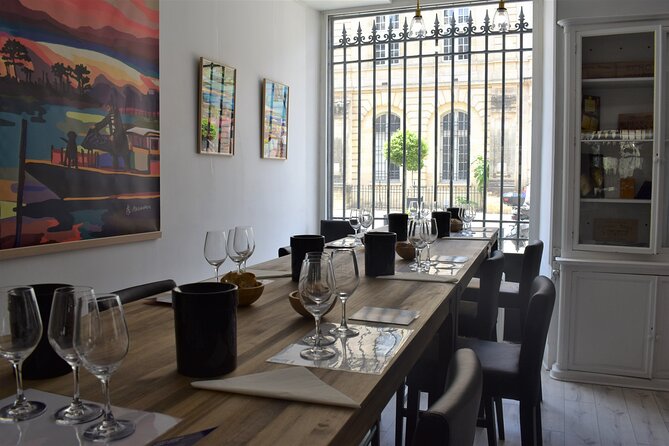
The experience takes place in a wine-bar setting close to Bordeaux’s Grand Théâtre. The location is a major advantage. You can fit the class into a city sightseeing day without spending time traveling to the countryside.
The maximum group size is 12. That is small enough for direct questions, and several people have appreciated the chance to interact with both the host and the other participants. The private format also suggests a more personal session than a large commercial tasting.
Still, personal does not always mean spacious. The setting is small, and one person found the room uncomfortable on a very hot day, even with fans running. If the weather is warm, dress lightly and keep the room size in mind.
There is also a timing issue. The standard class is short, and one participant felt rushed because the group was told another session would be arriving soon. That does not cancel out the value of the workshop, but it means you should arrive ready to start and avoid booking something immediately afterward.
The class finishes back at the meeting point. That is convenient if you want to continue exploring central Bordeaux on foot, find dinner nearby, or browse wine shops after your new lesson.
The language question matters
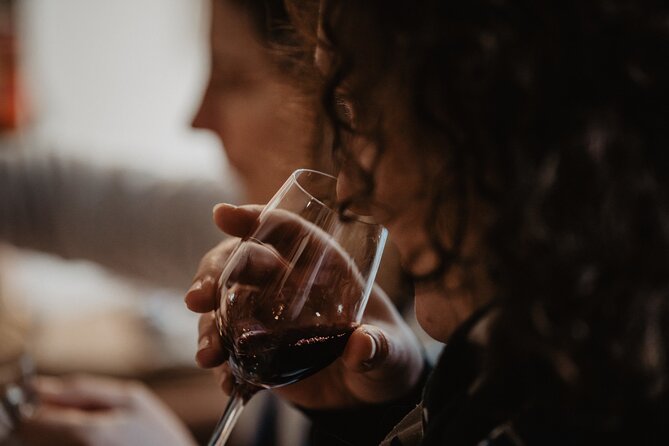
The experience is offered in English, but the language can vary by session. One English-speaking participant found that the tasting was conducted in French, although the facilitator included English and a translation app helped fill the gaps.
If you do not speak French, confirm the language before you book or contact the provider if the booking page is unclear. English-speaking hosts have led other sessions, and some participants found the explanations easy to follow. Still, a French-language class can move quickly, especially when the host uses regional terms.
An accent or fast speaking pace may also make parts of the lesson harder to catch. Do not hesitate to ask the host to repeat a point. The workshop is meant to be interactive, and asking for clarification is better than silently losing the thread.
Printed information sheets are included, which helps. You can also take notes if a grape name, appellation, or producer catches your attention.
Who will get the most from this class
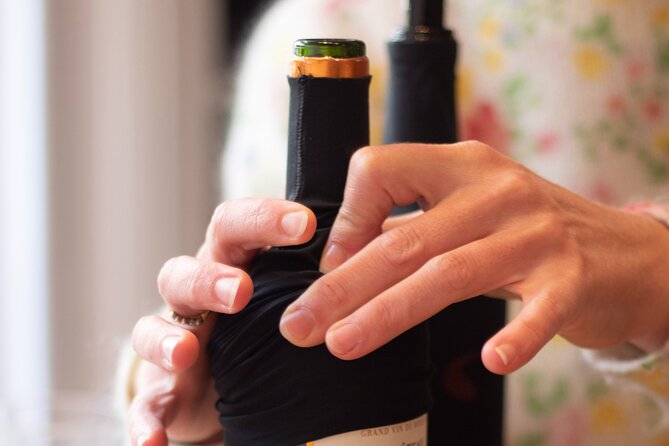
This is a strong fit for a first visit to Bordeaux, especially if you have limited time. You get a basic map of the region, a tasting method, three wines, and an introduction to French food pairing without leaving the city.
It also works well for couples, friends, and solo visitors who want something social but not overly formal. The atmosphere is described as friendly and unpretentious, with hosts who welcome questions and adjust their explanations for beginners and people who already know some wine.
You may also like it before a full-day vineyard trip. The class can give you enough vocabulary to understand what a guide is discussing later. It is easier to appreciate a vineyard visit when terms such as terroir and appellation are no longer complete mysteries.
Experienced wine drinkers can still enjoy the comparison, particularly if they approach it as a quick overview rather than an advanced seminar. The class may not satisfy someone seeking rare bottles, detailed vintage analysis, or an extensive tasting flight.
Food allergies should be raised in advance. One person reported that an allergy was accommodated, but the available details do not promise every dietary request can be met.
Booking, timing, and cancellation
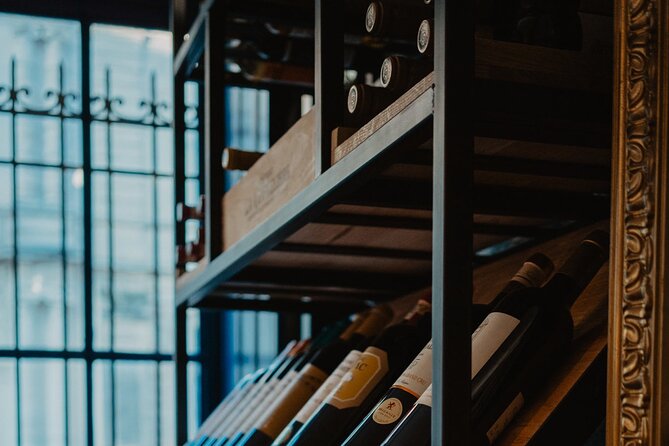
The meeting point is 2ter Rue Mably, 33000 Bordeaux, France. The start time is 2:30 p.m., and the activity ends at the same location.
It is usually booked about 15 days ahead, so I would reserve before arriving if this is important to your schedule. Confirmation is provided at booking, and the mobile ticket is useful for a phone-based itinerary.
Free cancellation is available up to 24 hours before the start time for a full refund. Changes or cancellations made less than 24 hours ahead are not accepted for a refund. Cut-off times use Bordeaux local time.
The provider also notes that the experience requires good weather. If poor weather causes cancellation, you are offered another date or a full refund. Service animals are allowed, and the location is near public transportation.
Should you book the Bordeaux wine workshop?
I would book this if you want a reasonably priced, central, beginner-friendly introduction to Bordeaux wine. The Left Bank and Right Bank comparison is practical, the grand cru adds interest, and the included cheese and charcuterie make the hour feel worthwhile.
I would skip it only if you want a long countryside visit, a full meal, or a serious advanced tasting. For most people with limited time in Bordeaux, this is a smart first step. Confirm that your session will be in English, allow some flexibility in the timing, and arrive ready to ask questions.
FAQ
Where does the Bordeaux wine tasting begin?
It begins at 2ter Rue Mably, 33000 Bordeaux, France, close to the Grand Théâtre.
What time does the experience start?
The stated start time is 2:30 p.m.
How long does the tasting last?
The advertised duration is approximately one hour. Some sessions have been reported to last about an hour and a half.
How many wines are included?
Three wine tastings are included: one white wine and two red wines.
Which Bordeaux wine regions are covered?
The class compares the Left Bank, including the Médoc, with the Right Bank, including the Libournais.
Is a grand cru included?
Yes. One of the two red wines is a Bordeaux grand cru.
Is food included in the price?
Yes. Local cheeses, charcuterie, and fresh baguette are included, along with water.
Is the class available in English?
English is offered, but the language may vary by session. Confirm the language when booking if you need an English-language class.
Can I cancel for a full refund?
Yes, if you cancel at least 24 hours before the scheduled start time. Cancellations made less than 24 hours in advance are not refunded.
More Wine and Cheese Tastings in Bordeaux
- Blind Tasting: 4 Bordeaux Natural Wine + Cheese experience
★ 4.8 · 35 reviews - Wine Masterclass & Cheese Tasting Workshop in Bordeaux
★ 5.0 · 29 reviews - Bordeaux wines : tasting with 4 white wines and cheeses
★ 5.0 · 24 reviews - Tasting of Bordeaux White Wines Wine and Cheese Pairing
★ 5.0 · 10 reviews
More Cheese and Charcuterie Boards in Bordeaux
- Tasting of Bordeaux red wines, wine and charcuterie pairings
★ 5.0 · 24 reviews - Budapest: Wine, Cheese, and Charcuterie Tasting
★ 4.9 · 647 reviews - Hungarian Wine Tasting (with Cheese and Charcuterie) in Budapest
★ 5.0 · 531 reviews - Full-Day Group Wine Tour (with cheese and charcuterie) in Niagara-on-the-Lake
★ 5.0 · 349 reviews
Just added around Bordeaux
- Wine Masterclass & Cheese Tasting Workshop in Bordeaux★ 5.0 · 2 reviews
- Tasting of Bordeaux White Wines Wine and Cheese Pairing★ 5.0 · 10 reviews
- Wine Masterclass & Cheese Tasting Workshop in Bordeaux★ 5.0 · 29 reviews
- Wines and Cheeses: Learning to combine perfectly★ 4.5 · 7 reviews
- Tasting of Bordeaux red wines, wine and charcuterie pairings★ 5.0 · 24 reviews
- Bordeaux Night Walk Ending with Delicious wine & cheese Tasting★ 5.0 · 10 reviews
- Highlights of Bordeaux Walking Tour + Wine & Cheese Tasting★ 4.5 · 5 reviews
- Bordeaux Food Tour : Sweets, Cheese & Wine pairing workshop★ 5.0 · 8 reviews
Cheese and Charcuterie Boards, compared.
Hungarian Wine Tasting (with Cheese and Charcuterie) in Budapest
Read our review →
Full-Day Group Wine Tour (with cheese and charcuterie) in Niagara-on-the-Lake
Read our review →
Tasting of 6 Bordeaux wines and pairing charcuterie & cheese
Read our review →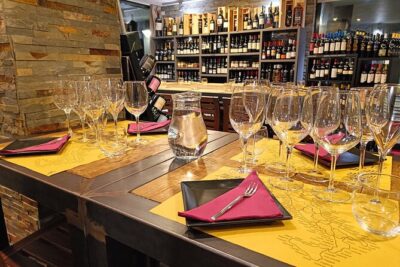
Taste of Lake Como: 4 Wines Paired with Local Cheese Charcuterie
Read our review →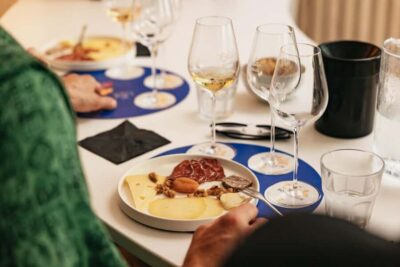
Wine Masterclass with Cheese and Charcuterie Board
Read our review →
Between the Lines Cheese and Charcuterie Picnic
Read our review →
Lazise: Wine Tasting with Charcuterie and Cheese Board
Read our review →Browse the lists this tour appears in