
REVIEW · CHEESE AND CHARCUTERIE BOARDS
Bordeaux Wines Masterclass paired with cheeses & charcuterie
Bordeaux makes more sense after one good tasting. This 90-minute workshop brings six regional wines, local cheese, charcuterie, and practical instruction into a small room two steps from the Grand Théâtre. I like the clear progression from white wine to single-grape reds, then Left Bank and Right Bank bottles. I also like that the instructors explain wine without making beginners feel foolish.
The main drawback is comfort and timing. The room can feel warm, and one session may run beyond the advertised 90 minutes. The wines are chosen for learning rather than luxury, so this is a Bordeaux primer, not a parade of famous château bottles. At $54.42 per person, the value depends on how much you want to understand before ordering wine or visiting the surrounding wine country.
Key points at a glance
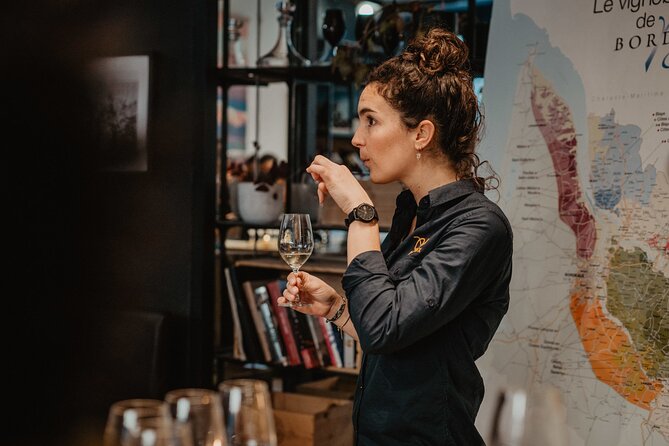
- Six wines with a purpose: Taste one white and five reds while learning how grape variety, place, and blending shape Bordeaux wine.
- Single-grape red tasting: Three regional reds help you notice each grape’s character before Bordeaux blending enters the picture.
- Left Bank versus Right Bank: Two fine wines show the regional contrast, including one Bordeaux grand cru.
- Food is part of the lesson: Local cheeses, charcuterie, baguette, and water accompany the tasting and help explain basic pairings.
- A small, English-language class: The maximum is 10 people, with several instructors praised for adjusting explanations to the group.
- Easy central meeting point: Meet at 2ter Rue Mably at 11 a.m., close to the Grand Théâtre and public transportation.
Why this Bordeaux wine class works for beginners
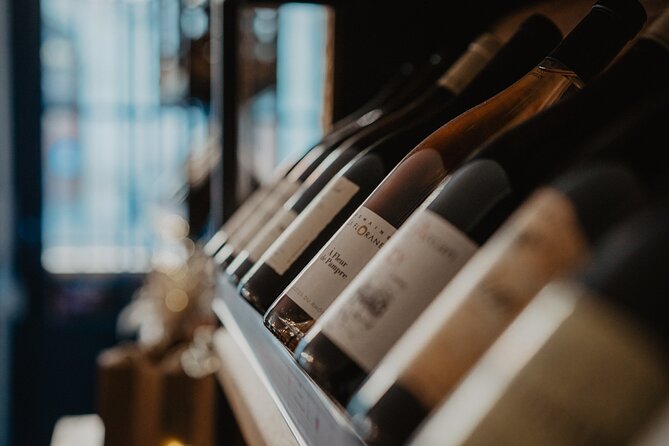
Bordeaux wine labels can feel like a code. Instead of placing all the attention on grape names, they often emphasize the château or appellation. This class gives you the basic tools to make sense of that system.
The lesson covers terroir, grape varieties, appellations, classification, winemaking, aging, storage, and serving. That sounds formal, but the teaching style is meant to be friendly and practical. You do not need previous wine knowledge. The best part is that you learn by tasting rather than sitting through a long lecture.
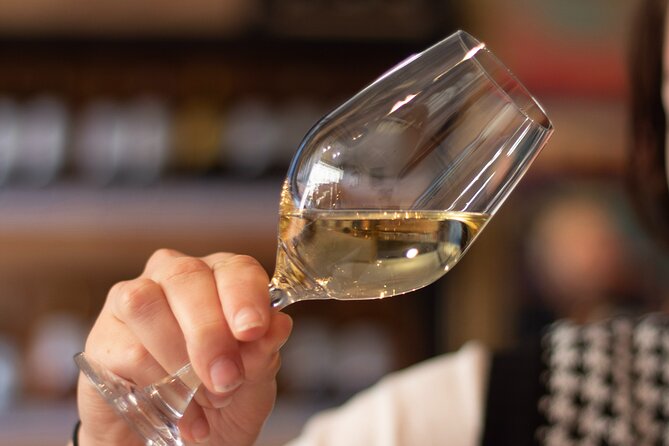
I especially like the way the class starts with a white wine. The first glass introduces a standard tasting method: look at the wine, smell it, taste it, and consider its balance and finish. This gives you a repeatable routine you can use later in a wine bar, restaurant, or château tasting room.
The instructors also use sensory exercises and, at times, blind tasting. Matilde has used a scent game to help participants identify aromas, while Vincent has included sensory testing and a short tasting challenge. These activities make the lesson more memorable than a list of grape names.
More Cheese and Charcuterie Boards in France
- Tasting of 6 Bordeaux wines and pairing charcuterie & cheese
★ 5.0 · 199 reviews - Bordeaux: Wine Masterclass with Cheese and Charcuterie Board
★ 4.9 · 184 reviews - Introduction to Bordeaux wines paired with cheeses & charcuterie
★ 5.0 · 175 reviews
The 11 a.m. start near Bordeaux’s Grand Théâtre
You meet at 2ter Rue Mably, 33000 Bordeaux, at 11 a.m. The location is central, only a short distance from the Grand Théâtre. It is a handy choice if you are already exploring the historic center, and public transportation is nearby.
The class ends back at the same meeting point. That makes the schedule simple, especially if you plan to spend the afternoon walking through Bordeaux or having lunch nearby.
The venue has been described as a clean, quiet, small storefront that matches its promotional photographs. That suits the subject. You are not touring a grand château, but you are getting a focused lesson in a dedicated tasting space.
One practical note matters: arrive ready to sit, listen, smell, taste, and ask questions. The class is short but concentrated. You will get more from it if you avoid cramming another fixed appointment immediately afterward. One session went longer than 90 minutes, so I would allow extra time rather than treating the end time as exact.
The first glass: learning how to taste wine
The opening white wine serves as the class’s training glass. You learn the basic steps of tasting before the more Bordeaux-specific comparisons begin.
The point is not to prove that you have a sophisticated palate. It is to show you where to focus. Color can suggest age or style. Aroma offers clues about fruit, flowers, spice, oak, or other notes. Taste reveals acidity, body, tannin, alcohol, and finish.
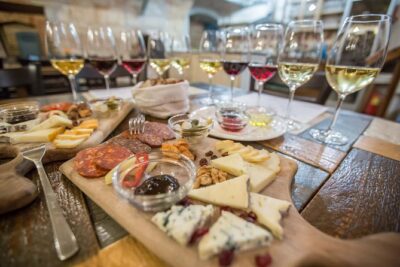
You will also learn how food changes the way wine tastes. The board of local cheeses and cured meats is not just a snack placed on the table. It gives you something salty, fatty, creamy, and savory to compare with the wines.
Fresh baguette is available throughout the session. Water is included too, which is useful during a tasting that includes six glasses. You should still pace yourself. The purpose is to learn the differences, not to race through the pours.
Three single-grape reds reveal Bordeaux’s building blocks
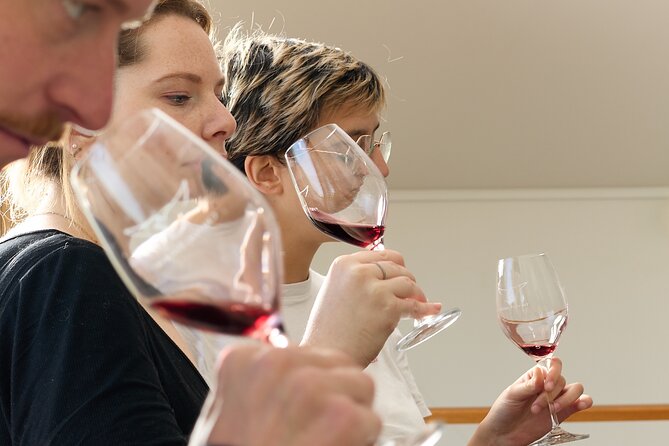
The most useful part of the class is the tasting of three regional red wines made around individual grape varieties. Bordeaux is famous for blended wines, so tasting these grapes separately gives you a clearer sense of what each contributes.
You may notice differences in fruit, structure, acidity, tannin, and aroma. One grape may seem softer or more generous, while another may bring firmer tannin, darker fruit, or sharper freshness. The exact wines can change, but the lesson remains the same: Bordeaux blends are built from components with different strengths.
This is also where the class helps you shop and order more confidently. Instead of treating Bordeaux as one single flavor, you begin to understand why a blend can be more balanced than any one grape on its own.
The three red wines are not presented as rare trophies. Several participants found them good rather than extraordinary, which is a fair expectation at this price. Their value is educational. They are selected to make a point, and that point can be more useful than a prestigious label you taste once and cannot identify later.
More Wine and Cheese Tastings in France
- Professional – Bordeaux Wine and Cheese Tasting with a walking tour
★ 5.0 · 218 reviews - Bordeaux Gourmet Experience: Cheese & Wine Tasting
★ 4.6 · 169 reviews - Bordeaux Gourmet Experience : tasting of French cheeses & wines
★ 4.5 · 71 reviews - Bordeaux Afternoon Food Tour : Sweets, Wine and Cheese
★ 5.0 · 38 reviews
Left Bank and Right Bank, explained through two final wines
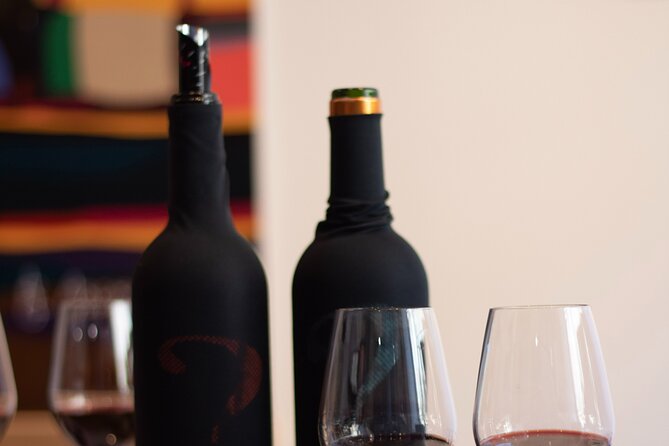
The final stage compares two fine Bordeaux wines, one from the Left Bank and one from the Right Bank. One of these is a Bordeaux grand cru.
This regional comparison is central to understanding Bordeaux. The Left Bank and Right Bank have different dominant grape traditions, soils, appellations, and blending habits. You will not become a Bordeaux specialist in one sitting, but you will leave with a map in your head.
That map can guide the rest of your trip. It may help you decide which château visits interest you, how to read a wine list, or why two bottles from Bordeaux can taste quite different despite being produced in the same broad region.
The class also explains appellations and classification. That is valuable because Bordeaux wine labels often tell you more about place and producer than about the grape itself. After the tasting, you should have a better idea of what to look for on a bottle and what questions to ask when buying one.
Cheese, charcuterie, and the useful part of pairing
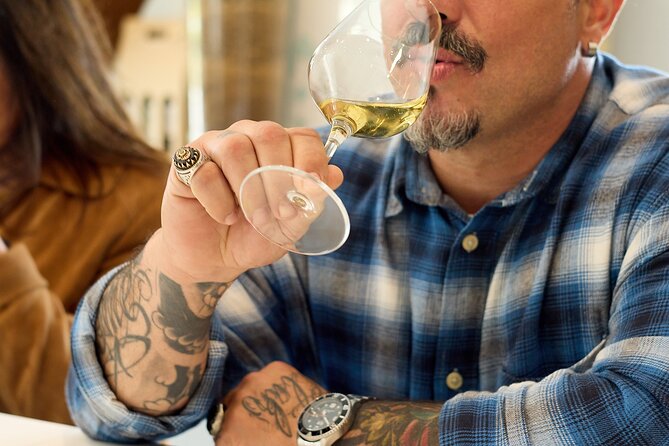
The food board includes local cheeses and charcuterie, with baguette available. It is described as a generous, artisanal selection, though the exact items may vary.
I like this pairing because it makes the tasting feel connected to everyday French life. You are not only studying wine in isolation. You are seeing how Bordeaux wine works with foods you might order in a café, market, or casual restaurant.
The pairings also show why certain wines work better with certain foods. Fat can soften the impression of tannin. Salt can change how fruit and acidity seem. Creamy cheese may make a wine feel sharper or rounder. These are simple lessons, but they are easy to remember once you have tasted the difference yourself.
Be aware that traditional cheese has a smell. One complaint focused on an unpleasant odor in the room, while the provider explained that the scent came from local cheeses. If you are sensitive to strong cheese aromas, this is worth knowing before you book. The food is part of the experience, not a separate polished restaurant course.
The instructors make or break the class
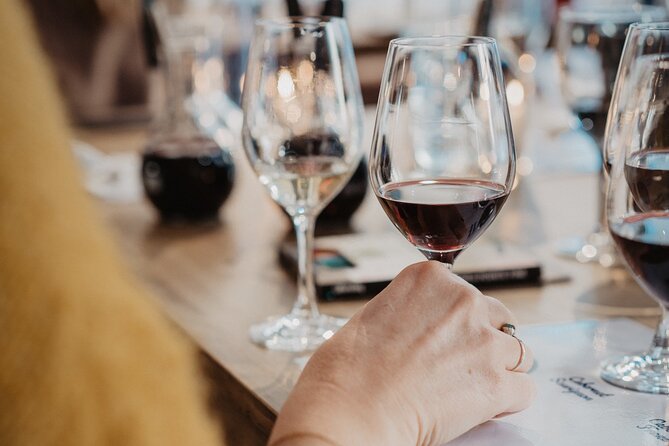
The strongest feature here is the teaching. Antoine is praised for explaining complicated subjects in simple terms. Hugo is described as friendly and clear, with a strong focus on Bordeaux’s Left Bank and Right Bank. Vincent has guided groups through regional history, grape varieties, aromas, and tasting technique.
Noe is noted for using the senses carefully, including primary, secondary, and tertiary aromas. That distinction is especially useful if you already drink wine but want a better vocabulary. Ana is described as patient and attentive to the group, while Matilde is praised for creating a relaxed, social atmosphere.
The exact instructor will depend on the date. The common thread is an adaptable style. The discussion can shift toward basic information for beginners or more detailed questions for people who already know French wine.
That flexibility makes this a good choice for couples, friends, and solo visitors. A small group also gives you more room to ask questions than a large commercial tasting. The listed maximum is 10 people, although group sizes can vary.
What the class is really worth at $54.42
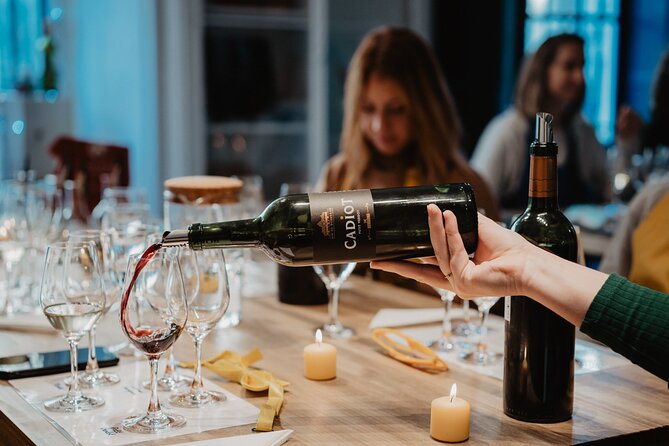
At $54.42, you are paying for six alcoholic beverages, a board of cheese and cold cuts, bread, water, printed information, and an instructor-led lesson in central Bordeaux.
That is fair value if you want more than a casual tasting. A simple glass-by-glass sampling may be cheaper, but it will not necessarily explain Bordeaux’s geography, grape varieties, blending, classification, or serving methods. Here, the educational structure is the main product.
The value is strongest if this is your first Bordeaux visit or your first serious introduction to French wine. It can give you a useful foundation before you visit the vineyards or buy bottles in town.
For experienced wine drinkers, the value depends on your expectations. The class can still help you organize what you already know, especially through single-grape comparisons and the Left Bank versus Right Bank tasting. But do not book it expecting a lineup of the region’s most famous or expensive labels.
The 4.9 rating from 110 ratings and 99 percent recommendation indicate very strong satisfaction overall. Still, one poor experience raised concerns about heat, odor, and food handling. I would not ignore that complaint, though it appears to be an exception rather than the normal pattern. Conditions can vary by day, group size, and summer temperature.
Who should book this Bordeaux experience
I would recommend it to you if you want a practical introduction before exploring Bordeaux independently. It is especially useful if French wine labels confuse you, if you are unsure how to taste wine, or if you want to compare regional styles without committing to a full vineyard day.
It also suits wine drinkers who enjoy history and geography. The class goes beyond fruit descriptions and connects wine to appellations, soil, production, and the structure of Bordeaux’s regions.
You may want something else if your priority is visiting vineyards, walking through cellars, or seeing how wine is made on site. This takes place in central Bordeaux, not at a château. It is a classroom and tasting workshop, not a countryside excursion.
Children under 16 and pets are not allowed. Service animals are allowed. If your group includes younger children or pets, a private tasting or another arrangement would be more suitable. The experience is offered in English, and a mobile ticket is available.
How to plan the rest of your day
Because the tasting begins at 11 a.m. and returns to the same central location, it fits neatly into a day of sightseeing. I would avoid scheduling a rushed lunch immediately after the class, since the presentation can run beyond 90 minutes.
You might use the lesson as a planning tool for the rest of your Bordeaux stay. Ask the instructor which appellations to seek out, what to order with local food, and how to recognize styles you prefer. The point is not to memorize every grape or château. It is to leave with enough confidence to make your own choices.
The class includes alcohol, so plan your afternoon sensibly. Water and food are provided, but the experience is still a tasting rather than a full meal.
Free cancellation is available if you cancel at least 24 hours before the local start time. Cancellations or changes made later are not accepted for a refund.
Should you book the Bordeaux Wines Masterclass?
Book it if you want a clear, friendly foundation in Bordeaux wine and prefer learning through comparisons rather than simply collecting tasting samples. The single-grape reds, Left Bank and Right Bank contrast, and food pairings give the 90-minute format real purpose.
I would be cautious only if you expect rare wines, a château visit, or a guaranteed precise end time. For most visitors, the central location, small group, strong instruction, and useful tasting structure make $54.42 a sensible investment, especially early in your Bordeaux stay.
FAQ
Where does the Bordeaux wine class meet?
The meeting point is 2ter Rue Mably, 33000 Bordeaux, France, near the Grand Théâtre and public transportation.
What time does the experience start?
The class starts at 11 a.m.
How long does the tasting last?
The listed duration is approximately 1 hour and 30 minutes. Allow extra time because one session ran longer than 90 minutes.
How many wines are included?
The standard format includes one white wine and five red wines, for six wines total. The specific wines and schedule may vary while the quality of the experience remains the same.
What food is served?
You receive an assortment of local cheeses and charcuterie, with fresh baguette and water available.
Do I need previous wine knowledge?
No. The class is designed for beginners and explains tasting, grape varieties, appellations, blending, winemaking, aging, storage, and service.
Can I cancel for a full refund?
Yes. You can cancel at least 24 hours before the experience start time for a full refund. Changes or cancellations made less than 24 hours before the start are not accepted.
More Wine and Cheese Tastings in Bordeaux
- Blind Tasting: 4 Bordeaux Natural Wine + Cheese experience
★ 4.8 · 35 reviews - Wine Masterclass & Cheese Tasting Workshop in Bordeaux
★ 5.0 · 29 reviews - Bordeaux wines : tasting with 4 white wines and cheeses
★ 5.0 · 24 reviews - Tasting of Bordeaux White Wines Wine and Cheese Pairing
★ 5.0 · 10 reviews
More Cheese and Charcuterie Boards in Bordeaux
- Tasting of Bordeaux red wines, wine and charcuterie pairings
★ 5.0 · 24 reviews - Budapest: Wine, Cheese, and Charcuterie Tasting
★ 4.9 · 647 reviews - Hungarian Wine Tasting (with Cheese and Charcuterie) in Budapest
★ 5.0 · 531 reviews - Full-Day Group Wine Tour (with cheese and charcuterie) in Niagara-on-the-Lake
★ 5.0 · 349 reviews
Just added around Bordeaux
- Wine Masterclass & Cheese Tasting Workshop in Bordeaux★ 5.0 · 2 reviews
- Tasting of Bordeaux White Wines Wine and Cheese Pairing★ 5.0 · 10 reviews
- Wine Masterclass & Cheese Tasting Workshop in Bordeaux★ 5.0 · 29 reviews
- Wines and Cheeses: Learning to combine perfectly★ 4.5 · 7 reviews
- Tasting of Bordeaux red wines, wine and charcuterie pairings★ 5.0 · 24 reviews
- Bordeaux Night Walk Ending with Delicious wine & cheese Tasting★ 5.0 · 10 reviews
- Highlights of Bordeaux Walking Tour + Wine & Cheese Tasting★ 4.5 · 5 reviews
- Bordeaux Food Tour : Sweets, Cheese & Wine pairing workshop★ 5.0 · 8 reviews
Cheese and Charcuterie Boards, compared.
Hungarian Wine Tasting (with Cheese and Charcuterie) in Budapest
Read our review →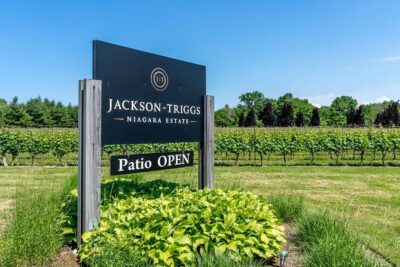
Full-Day Group Wine Tour (with cheese and charcuterie) in Niagara-on-the-Lake
Read our review →
Tasting of 6 Bordeaux wines and pairing charcuterie & cheese
Read our review →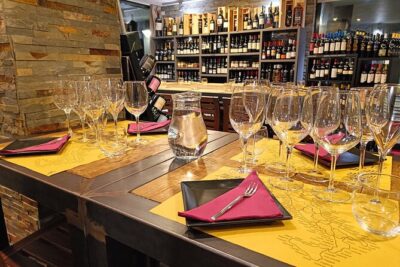
Taste of Lake Como: 4 Wines Paired with Local Cheese Charcuterie
Read our review →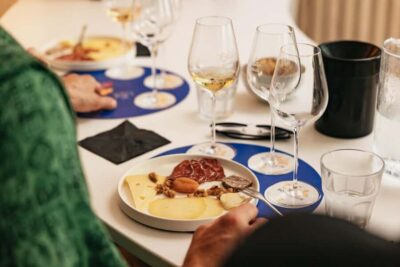
Wine Masterclass with Cheese and Charcuterie Board
Read our review →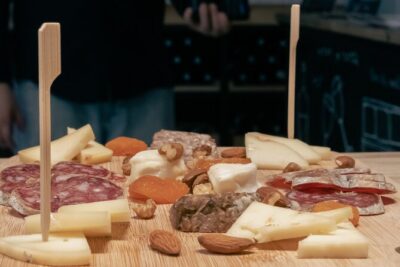
Introduction to Bordeaux wines paired with cheeses & charcuterie
Read our review →
Between the Lines Cheese and Charcuterie Picnic
Read our review →Browse the lists this tour appears in